Photo: Tony Lam Hoang / Unsplash
Our research recognises that disaster risk and development are closely linked: it is development processes that largely determine who and what is exposed to risk as well how much, and how effectively they can respond. SEI works to integrate disaster risk reduction with equitable, sustainable and resilient development.
611 results / 36 of 68 pages
Press release / For the first time, researchers in a new study published today conclude that the safe planetary boundary for pollutants, including plastics, has been exceeded.
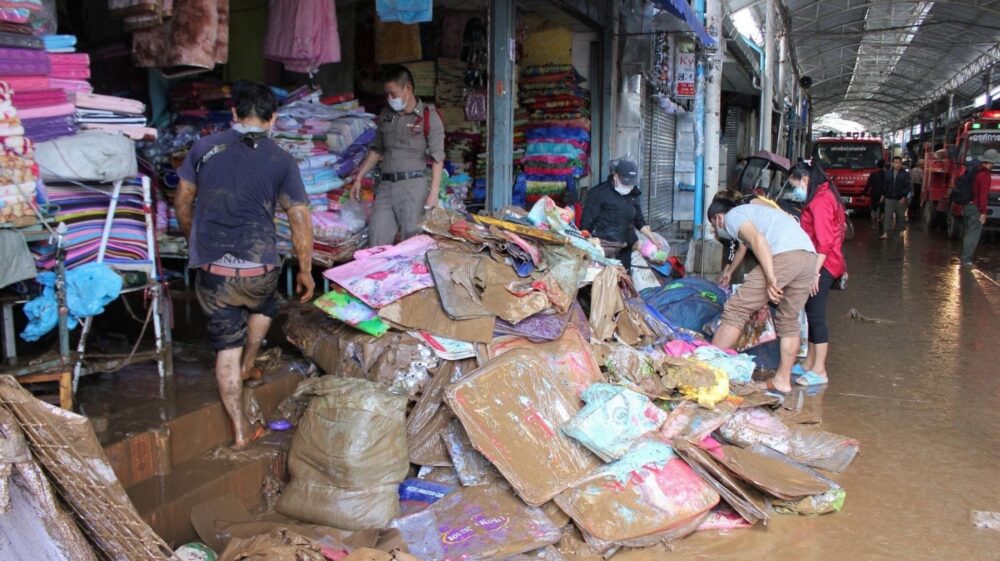
Perspective / SEI Asia is working to assess and reduce the risks of floods in the Sai-Ruak transboundary river basin in Mae Sai, northern Thailand along the Myanmar border.
SEI brief / In the Asia-Pacific region, policies that address disaster risk reduction and health increasingly recognize the synergies between the two sectors.
Feature / SweDev and the Development and Aid Policy Team is announcing an opportunity for development practitioners to show interest in the Programme Life Cycle Support.
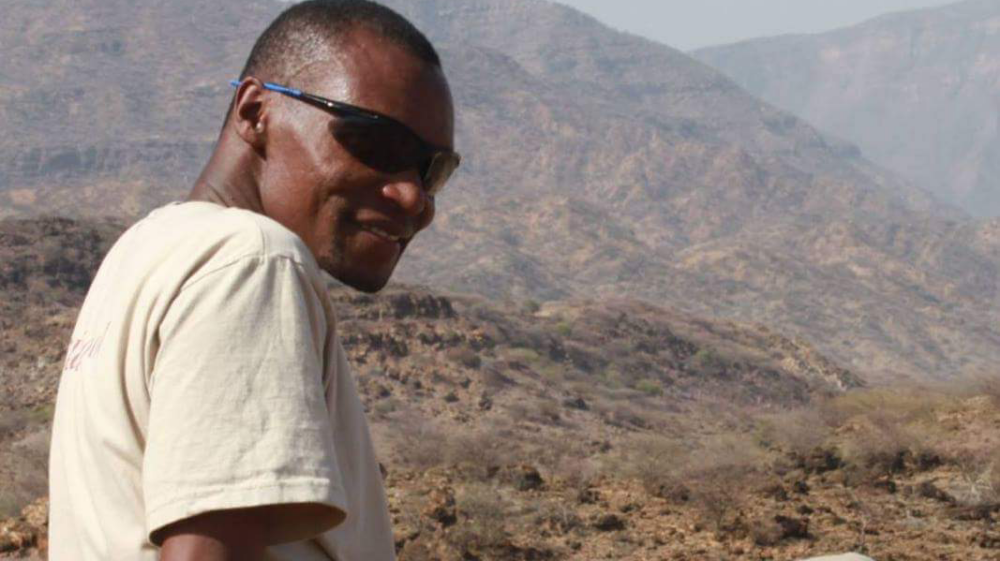
Media coverage / For more than a decade, SEI's Lawrence Nzuve worked with world-renowned paleoanthropologist Richard Leakey in northern Kenya and spoke to Science on his impact.
Project / Vulnerable countries are already experiencing severe losses and damages from unavoidable climate change impacts. They urgently need financial support.
Project / CrisAct aims to provide a comprehensive science-based framework to monitor and manage hydroclimatically driven natural hazard crisis and disaster responses.
Other publication / International financing institutions must learn from past mistakes in agricultural water investment and direct their money to key promising approaches.
Journal article / The findings show a need to consider how the development of 'climate resilient' water and sanitation services account for social drivers of vulnerability.