Photo: Tony Lam Hoang / Unsplash
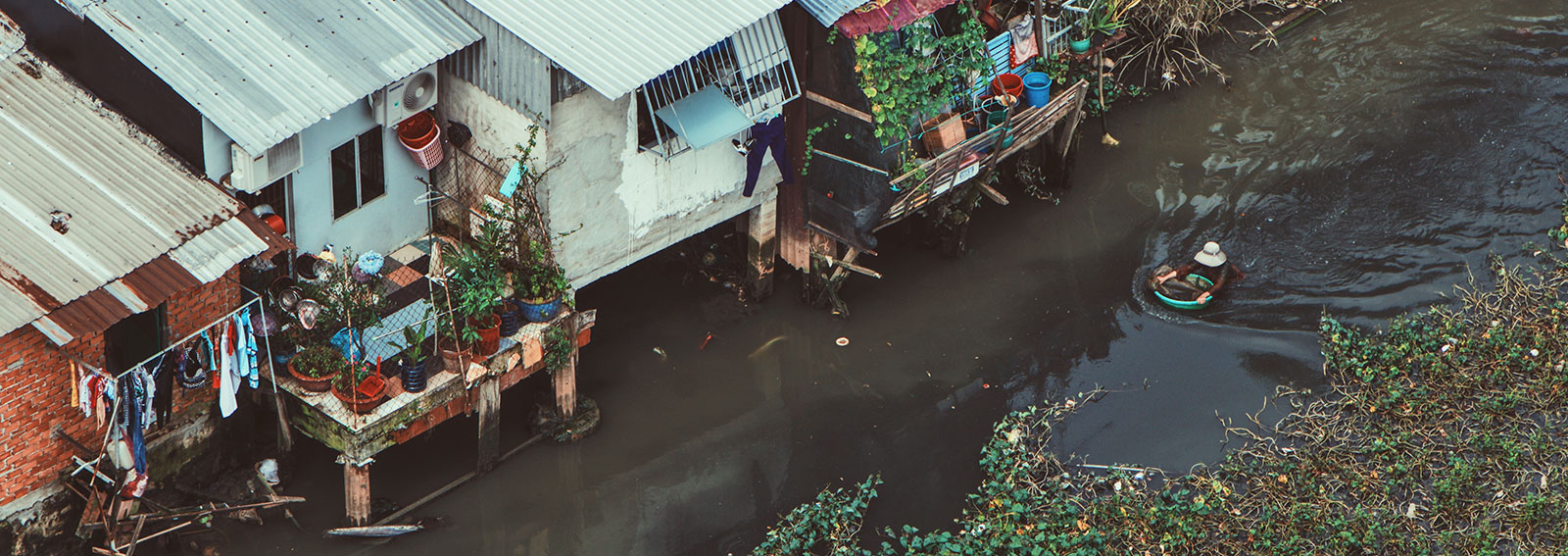
Our research recognises that disaster risk and development are closely linked: it is development processes that largely determine who and what is exposed to risk as well how much, and how effectively they can respond. SEI works to integrate disaster risk reduction with equitable, sustainable and resilient development.
611 results / 51 of 68 pages
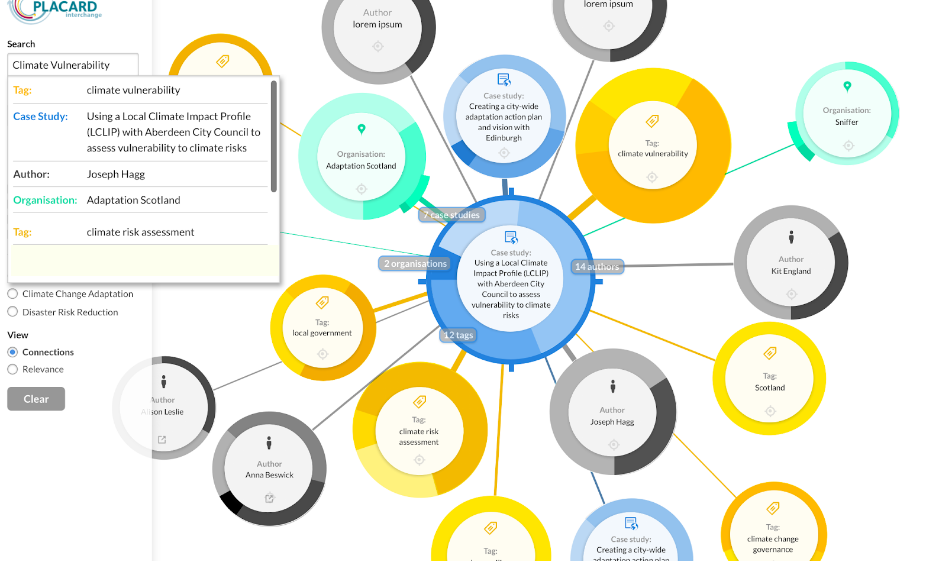
Feature / The Connectivity Hub linking climate change adaptation and disaster risk reduction evolves from prototype to a full working version with wider reach.
Perspective / SWARM, a new platform for water management, combines hydrological modelling and stakeholder input to improve river basin management in Southeast Asia.
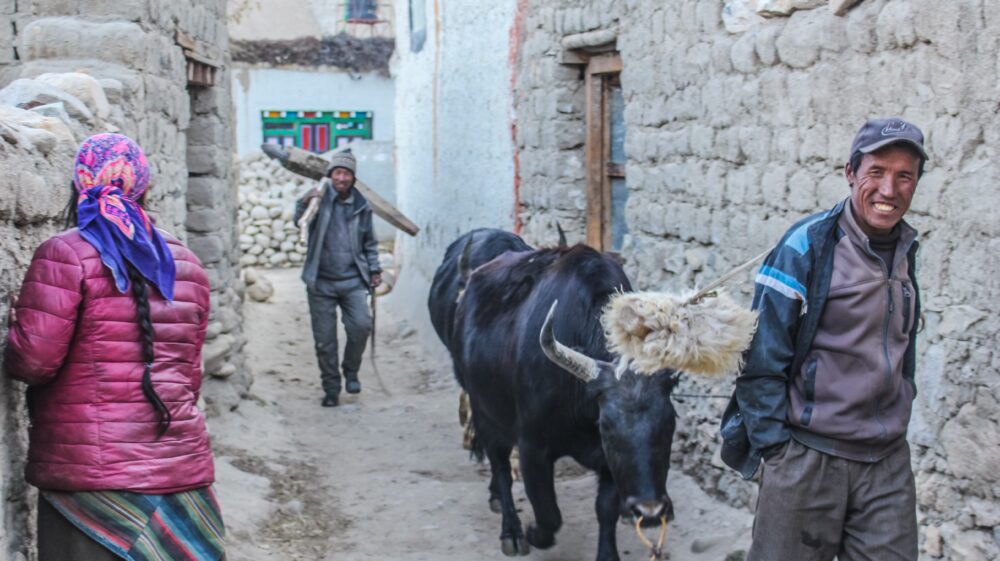
Journal article / Adaptation research needs re-framing to consider the climate change impacts in lived experiences of rural communities.
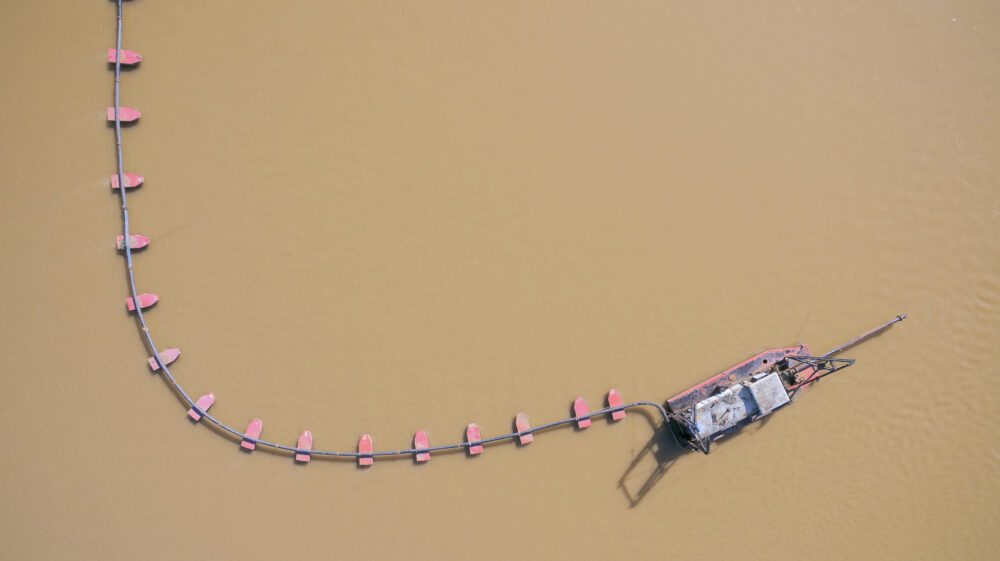
Media coverage / SEI case study on sediment in the Mekong River basin illustrates environmental and economic effects of unregulated sand mining.
Other publication / This book offers a guide to the theories, research and approaches for addressing the complexity of community resilience towards hazardous events or disasters.
SEI brief / We cannot eliminate all disaster risks, but we can make better decisions by understanding the trade-offs.
SEI brief / These two policy briefs explore policy challenges for biodiversity conservation in the Chindwin River Basin in Myanmar.
Media coverage / SEI's Diane Archer says local communities are crucial to tackling urban flood risks. Read about an innovative landscape park to prevent floods in Bangkok.
Project / Community Safety Action for Supporting Climate Adaptation and Development (CASCADE) develops new tactics to prevent disasters and address climate risks.