A clean, affordable, reliable supply of energy for basic needs is widely seen as a necessary for lifting people out of poverty and improving well-being. SEI examines how energy needs for human and economic development can be met in a way that is compatible with long-term sustainable development.
308 results / 18 of 35 pages
Project / The study will analyse the future use of alternative gases in Estonia and the possible contribution of the joint gas market towards its decarbonisation.
Project / The projects aims to provide energy access technologies and business models that are easily replicable and generate local opportunities for economic development
Project / SEI worked with Thailand’s energy ministry and national electric utility to conduct integrated resource and resilience planning for the Thai power system.
Journal article / This study assesses the utility of geological hydrogen storage in enhancing Finland's renewable energy grid.
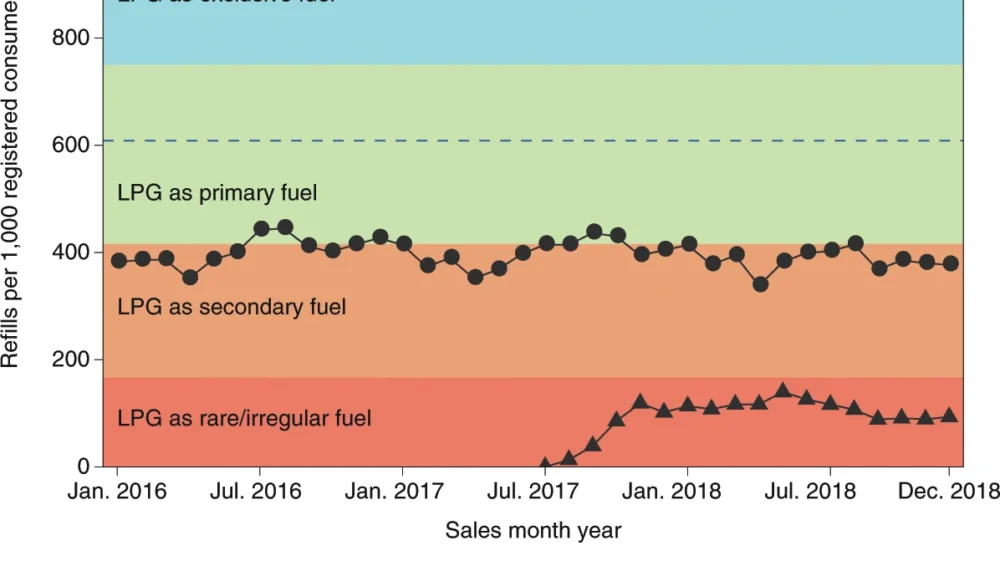
SEI brief / Although a subsidy programme in India has encouraged adoption of modern cooking gas, households have not shifted away from using highly polluting solid fuels.
Journal article / Researchers analyze case studies and data on the prevalence of cookstove "stacking," in which households often mix stove types, undermining clean cooking goals.
Journal article / This research explores how using grates and rock beds in open fire cooking can reduce harmful emissions and wood consumption in remote, low-income locations.
Journal article / This article explores the relationship between poverty and energy access in Malawi and whether unconditional social cash transfers help close the energy gap.
SEI report / This SEI report outlines issues that stakeholders in water, sanitation and energy services believe are holding back uptake of promising gridless technologies.