A clean, affordable, reliable supply of energy for basic needs is widely seen as a necessary for lifting people out of poverty and improving well-being. SEI examines how energy needs for human and economic development can be met in a way that is compatible with long-term sustainable development.
308 results / 24 of 35 pages
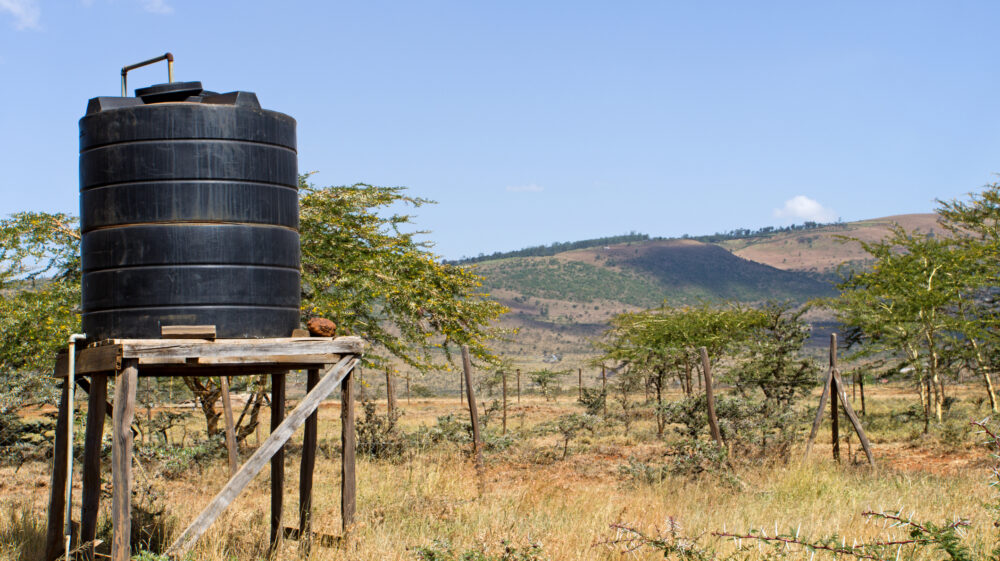
Media coverage / Thomson Reuters describes electrification in Kenya, where some counties are tapping solar energy to pump water to villages from nearby rivers.
Project / Exchanging ideas on the global energy landscape and how bioenergy can best contribute to SDG implementation and climate change mitigation.
Perspective / SEI researchers followed the adoption of solar mini-grids in rural Tanzania to understand their impact and sustainability.
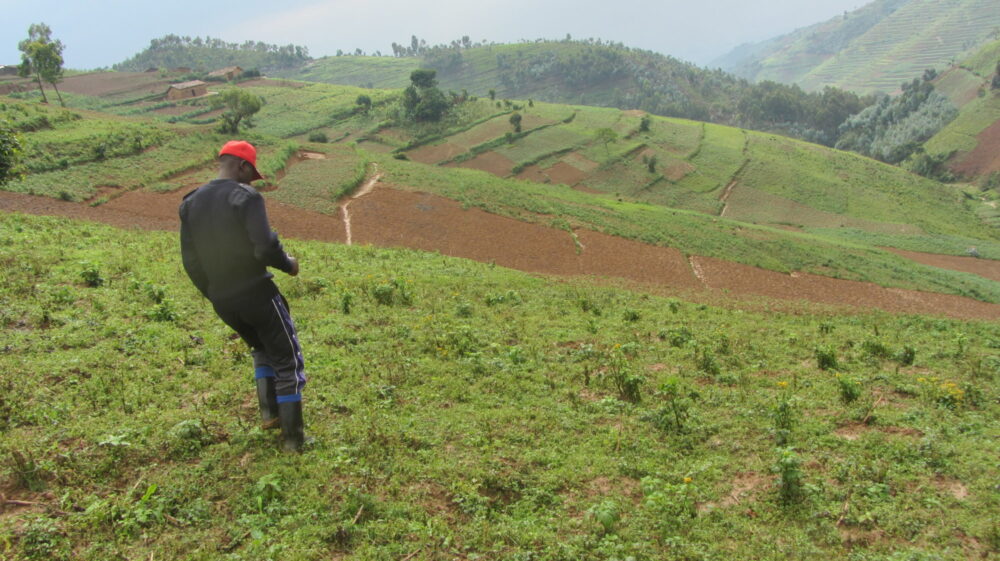
SEI report / This report covers how the water-energy-food security nexus approach can help promote climate-resilient decisions and model actions in Rwanda's Akagera Basin.
SEI brief / This policy brief highlights hotspots in resource use competition in Rwanda that might flare up as resources become increasingly scarce in the future.
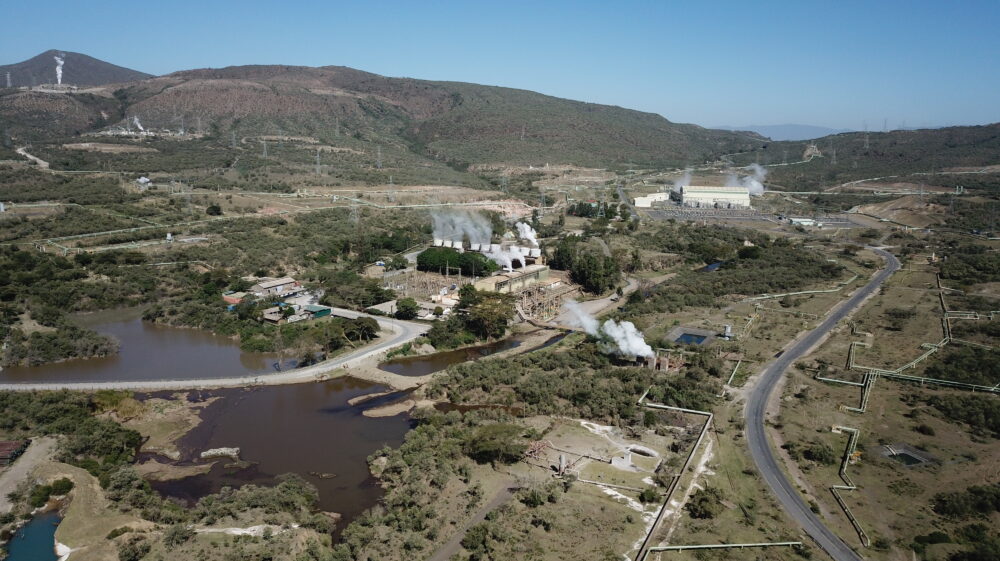
SEI brief / How can geothermal development to stimulate the economy in Kenya be matched by benefit-sharing with local communities, conservation and local development?
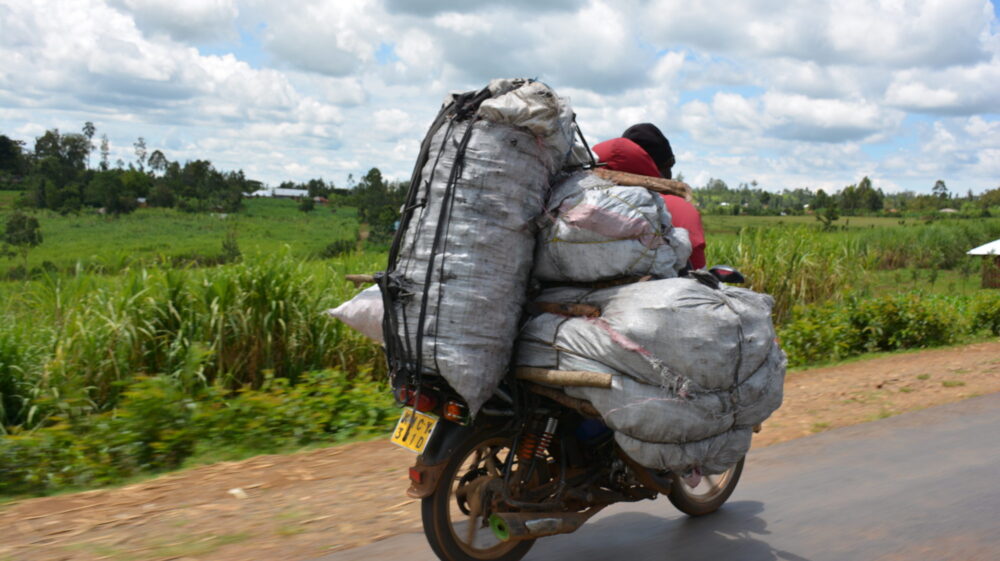
SEI brief / The growing gap between supply and demand for charcoal in Kenya will only expand unless action is taken. This brief discusses routes ahead.
Project / This project examined the potential of a dual-pronged approach to developing technical and social alternatives to charcoal in Zambia.
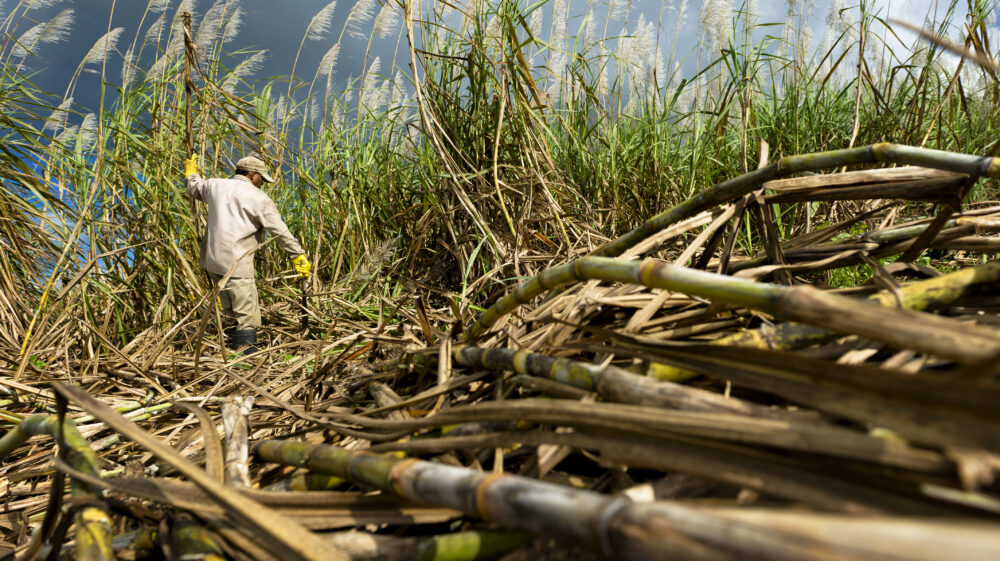
Other publication / Biofuels offer clear environmental benefits over fossil and biomass household fuels – but how do they affect the wider lives of farmers and users?