Photo: SEI
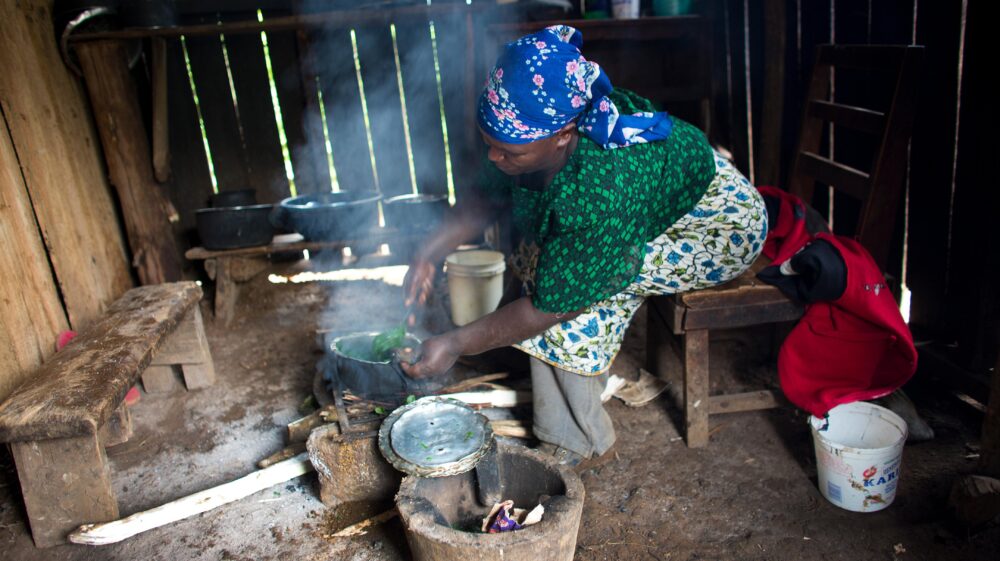
Around 2.4 billion people use biomass fuels - wood, charcoal and animal dung - for their domestic energy needs. These are typically burned in inefficient stoves or on open fires, with serious consequences for health and the environment. SEI identifies and designs actions to help households transition to cleaner technologies and energy sources.
259 results / 13 of 29 pages
Feature / Explore your city or community's resource recovery potential of urban organic waste streams on the new web-based platform for SEI’s newly launched REVAMP tool.
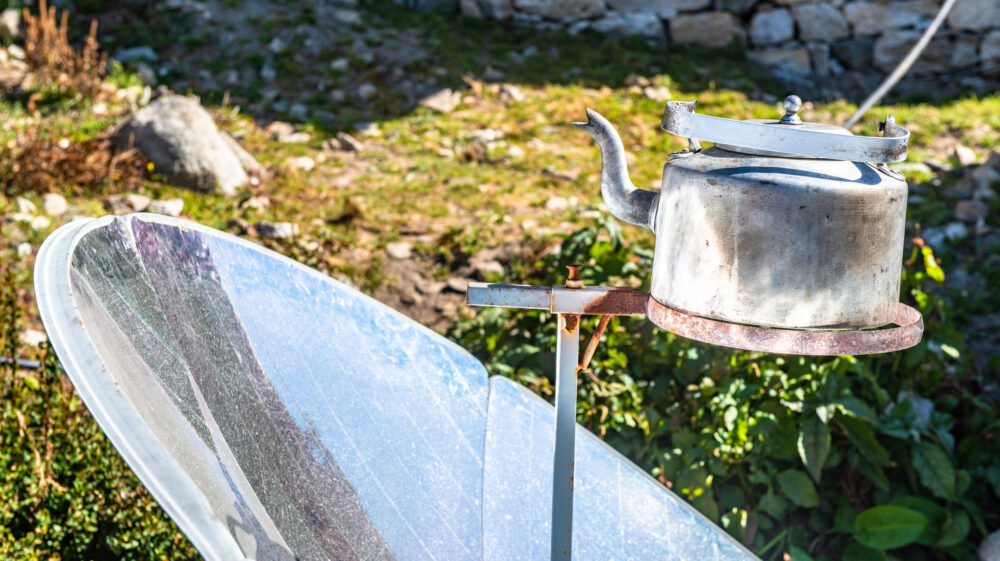
SEI report / This SEI report outlines issues that stakeholders in water, sanitation and energy services believe are holding back uptake of promising gridless technologies.
Project / Study generated critical knowledge to inform upscaling of investments in small-scale organic waste processing ventures in low- and-middle income countries
Feature / Almost one-third of the world’s population has no access to clean energy for cooking. SEI scientists hope to help tackle the problem with better policies.
Past event / SEI scientists join a panel of experts to unveil a new WHO household energy policy repository, which lists clean household energy policies for 30+ countries.
Journal article / Renewable energy mini-grids can have significant impacts on livelihoods and improved business performance and productivity in rural parts of Africa.
Project / This project investigates air pollutants inside homes in the city of Bradford, UK: their sources, interactions and health effects on those living there.
Project / The objective of this study is to identify possible scenarios that would help to achieve a carbon neutral heating and cooling sector in Estonia by 2050.
Journal article / How can governments incentivize more sustainable household behaviour that reduces energy consumption?