Photo: SEI
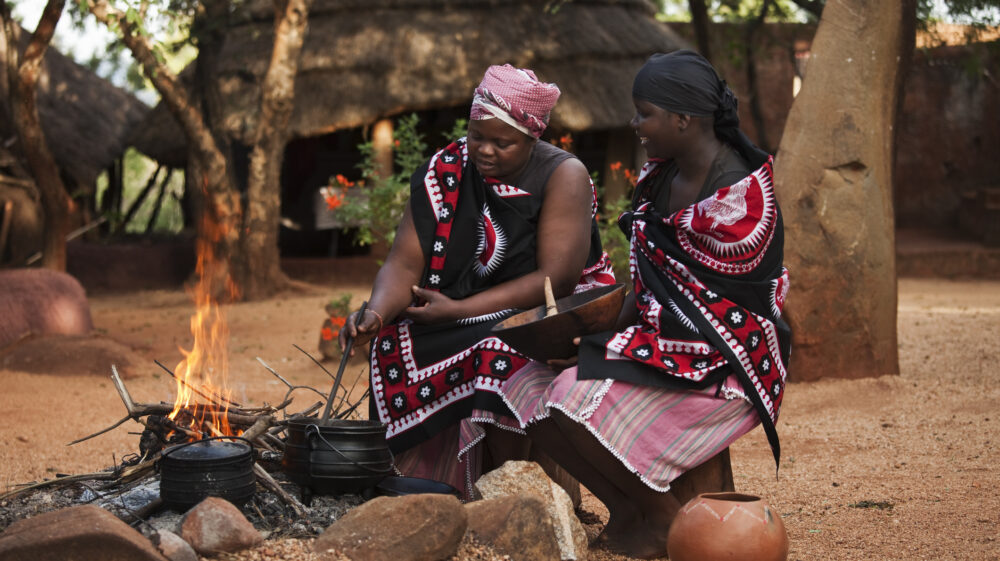
Around 2.4 billion people use biomass fuels - wood, charcoal and animal dung - for their domestic energy needs. These are typically burned in inefficient stoves or on open fires, with serious consequences for health and the environment. SEI identifies and designs actions to help households transition to cleaner technologies and energy sources.
259 results / 8 of 29 pages
Perspective / Three lessons from Sweden's low-carbon policies in the time of energy crisis and recommendations to address climate change and social inequality.
SEI brief / An exploration of the distributional impacts of policy responses to the energy price crisis in the EU, with a focus on low-income households in Sweden.
Feature / Gain insight into the gendered impacts of energy transitions and how to address them in this Q&A with SEI Research Associate Laura Del Duca.
Past event / SEI is co-hosting a side event at the 2023 Regional Forum for Sustainable Development to discuss the intersection of gender and energy.
Media coverage / Perhaps counterintuitively, some fossil-based cooking fuels are better for climate and health than the biomass fuels used by 2.4 billion people, research shows.
Past event / Forum will create awareness, partnerships and develop a road map for implementing the 37 measures across transport, residential, energy, agriculture and waste
Journal article / A novel analysis shows the global climate and health benefits of switching biomass cookstoves in low- and middle-income countries to electricity and LPG.
Press release / Expanding the use of LPG and/or grid electricity to replace biomass-fueled cooking in low- and middle-income countries benefits human health and climate.
Feature / SEI's Rob Bailis led research for a journal article featuring the first known analysis of the health and climate consequences of large-scale fuel transitions.