Decades of efforts to replace traditional cooking methods that rely on solid biomass fuels with cleaner-burning and more energy-efficient cookstoves have fallen short of expectation. Typically, new stoves are only used for a short time or they fail to fully displace the traditional methods.
This underscores a need to understand what cookstove users value in new cooking technologies. Researchers worked to identify how programmes can boost clean cookstove uptake.
Photo: SEI
Photo: SEI.
Households that adopt clean cookstoves often continue to use existing stoves to meet diverse cooking needs and address deficiencies in stove characteristics.
In some cases, households abandon the new cookstoves and revert to traditional stoves, undermining key health and climate benefits. Little is known about how user-based and socio-cultural influences on cooking practice coincide with existing services and technologies to influence clean cookstove uptake and sustained use. There is also a gap in understanding how individuals value small-scale energy interventions such as clean cookstoves, and how these values translate over time into technology adoption.
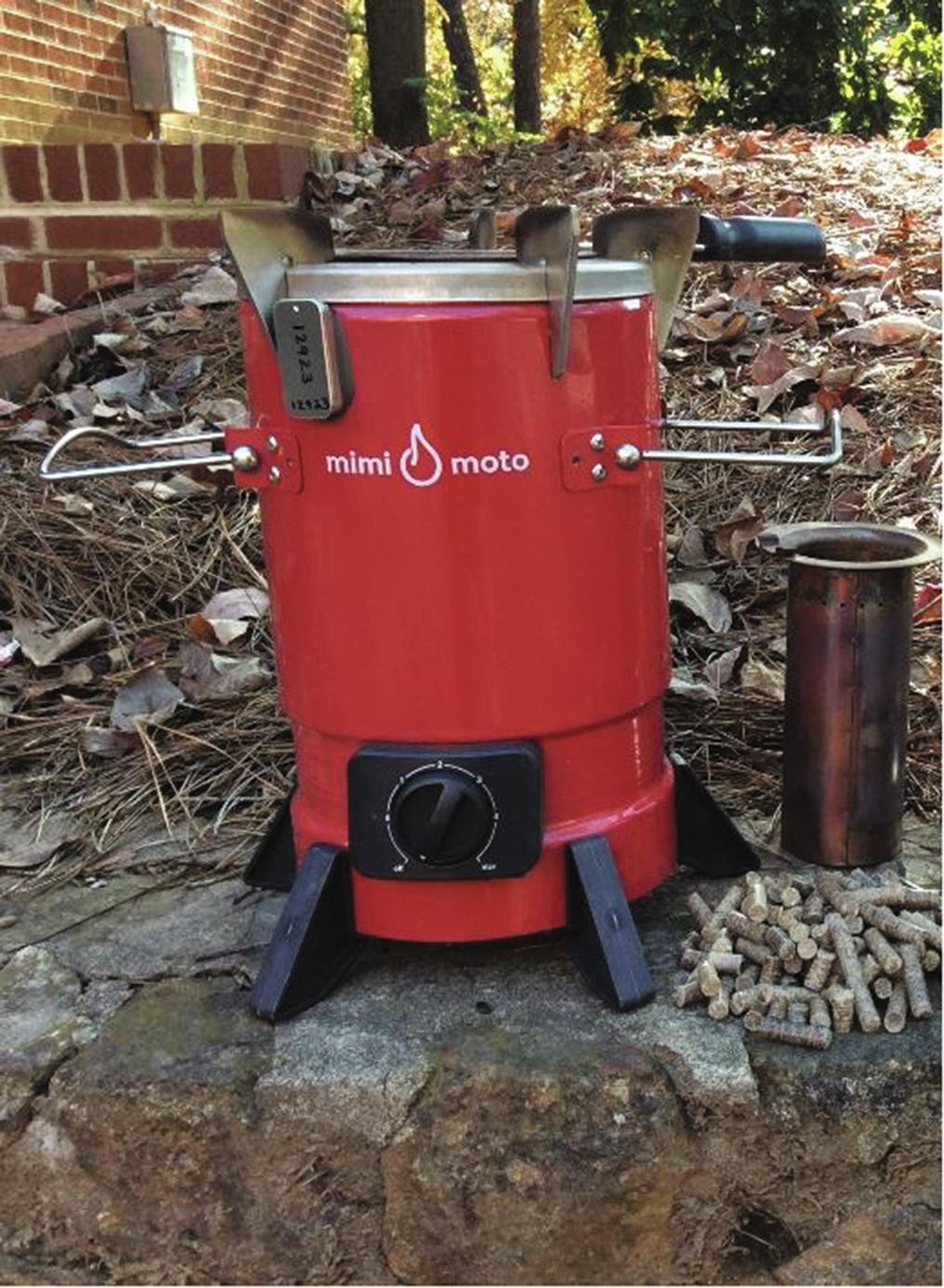
Recent research has shown that service design methods can help cookstove developers and programme implementers better understand users’ values, preferences and needs, and improve the stoves and supporting services to achieve greater success. This study builds on that work by combining service design methods and quantitative monitoring of cookstove use in a small-scale pilot project to introduce clean burning biomass pellet cookstoves in two peri-urban areas outside Nairobi, Kenya.
The article identifies three different user archetypes, based on their primary motivation for trying new stoves: saving money, convenience, and health and safety. It finds critical weaknesses in the pilot intervention from the perspective of each archetype and it verifies the findings of the qualitative analysis by reviewing the corresponding stove use monitoring data.
Project / This project examined the potential of a dual-pronged approach to developing technical and social alternatives to charcoal in Zambia.
Initiative / This initiative aims to guide decision-makers towards more cohesive and constructive governance of bioeconomy pathways, with a focus on the Global South.
Journal article / The study aimed to measure in-home emissions from a variety of stoves in rural Indian communities.
Journal article / This article explores the relationship between poverty and energy access in Malawi and whether unconditional social cash transfers help close the energy gap.
Journal article / Researchers measure the effectiveness of a grass-roots campaign in Western Kenya to increase cooking with rock-beds for open fires and simple woodstoves.