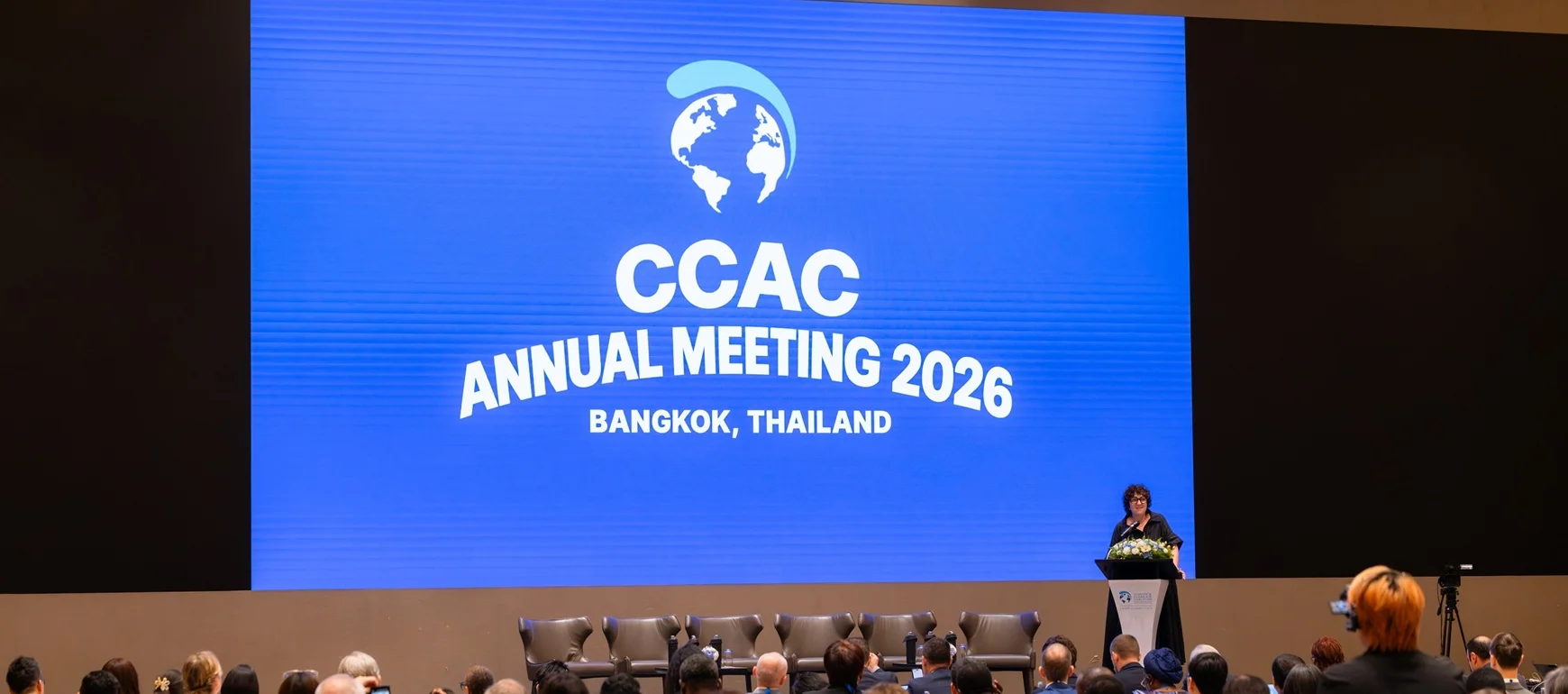
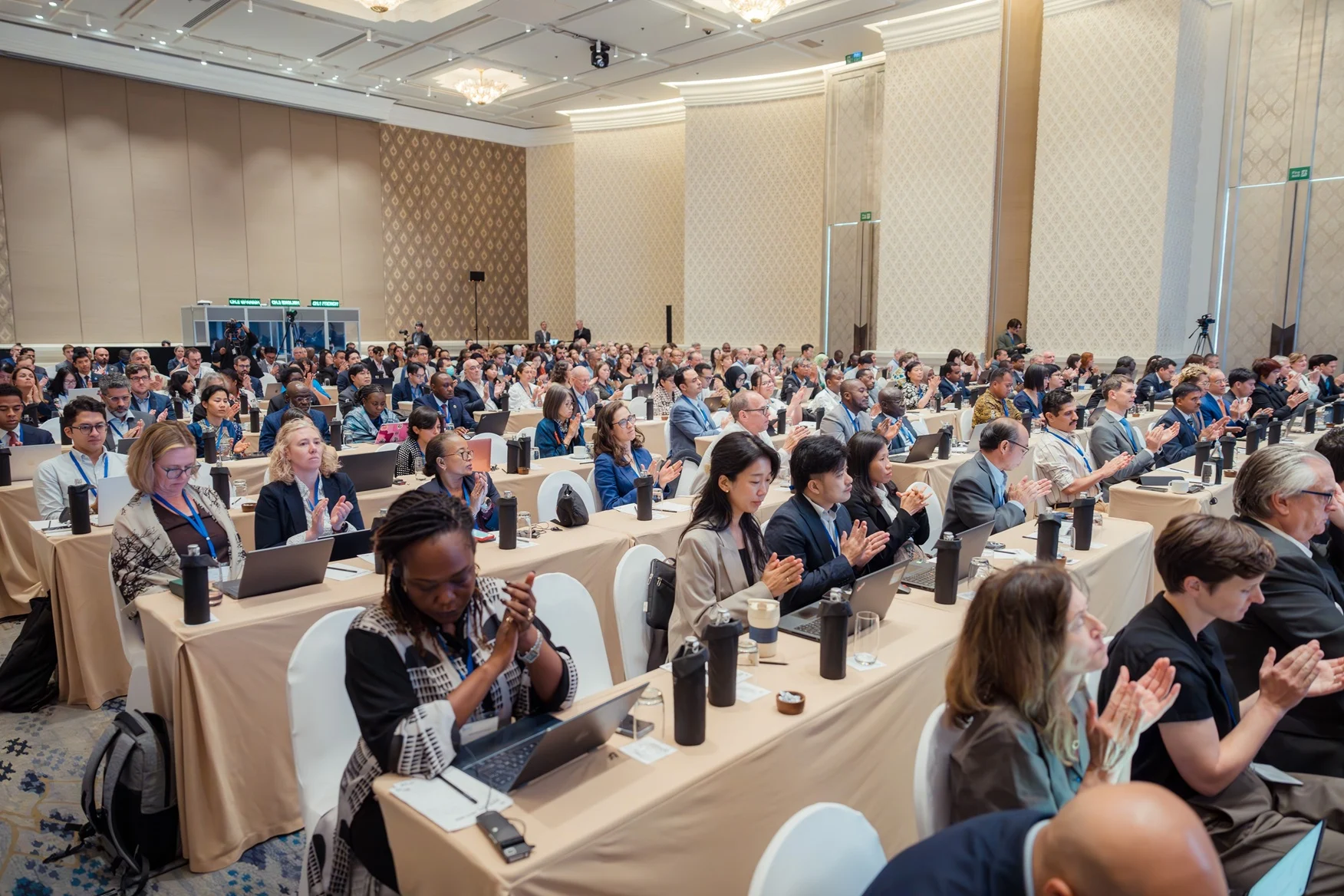
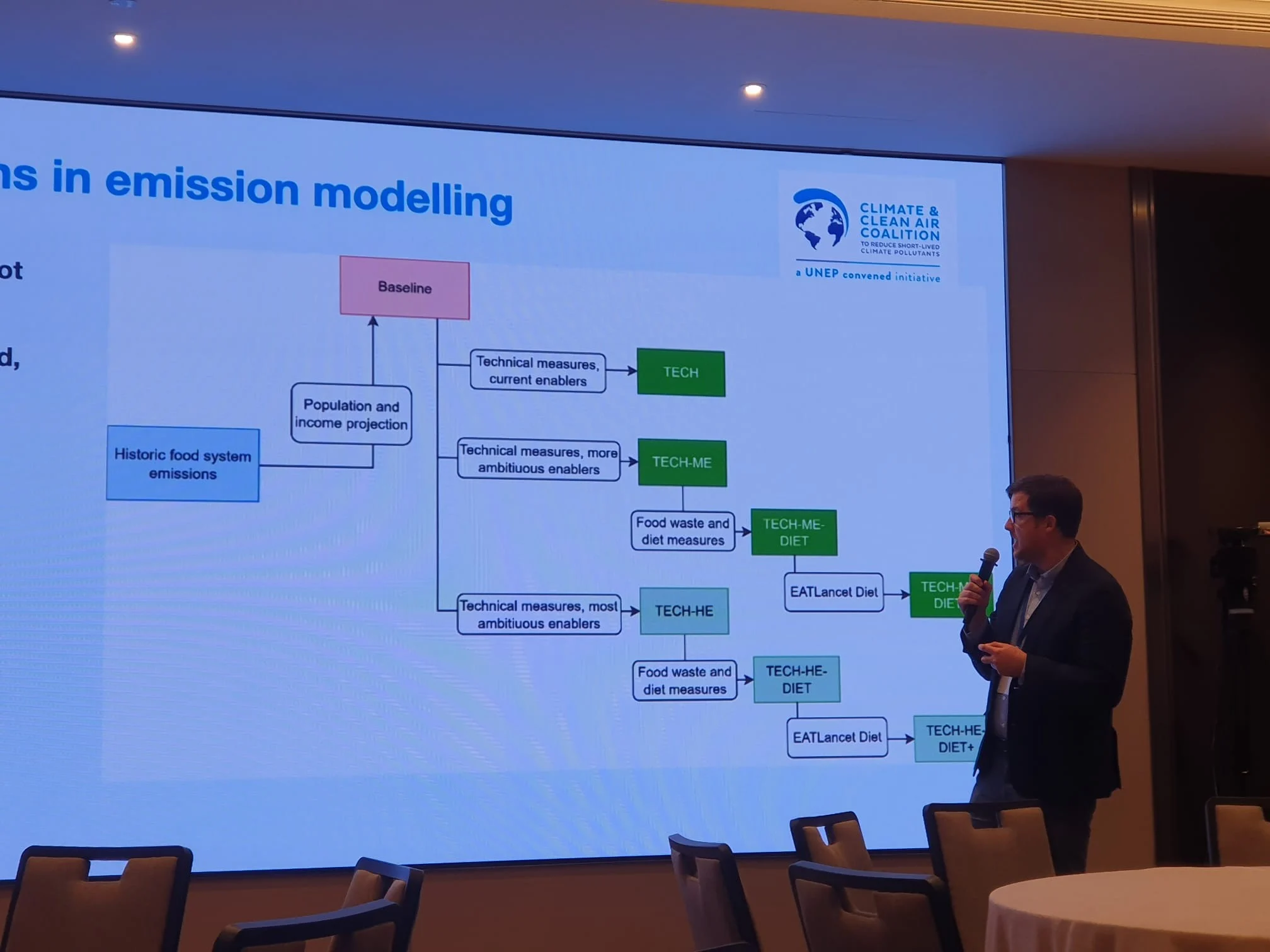
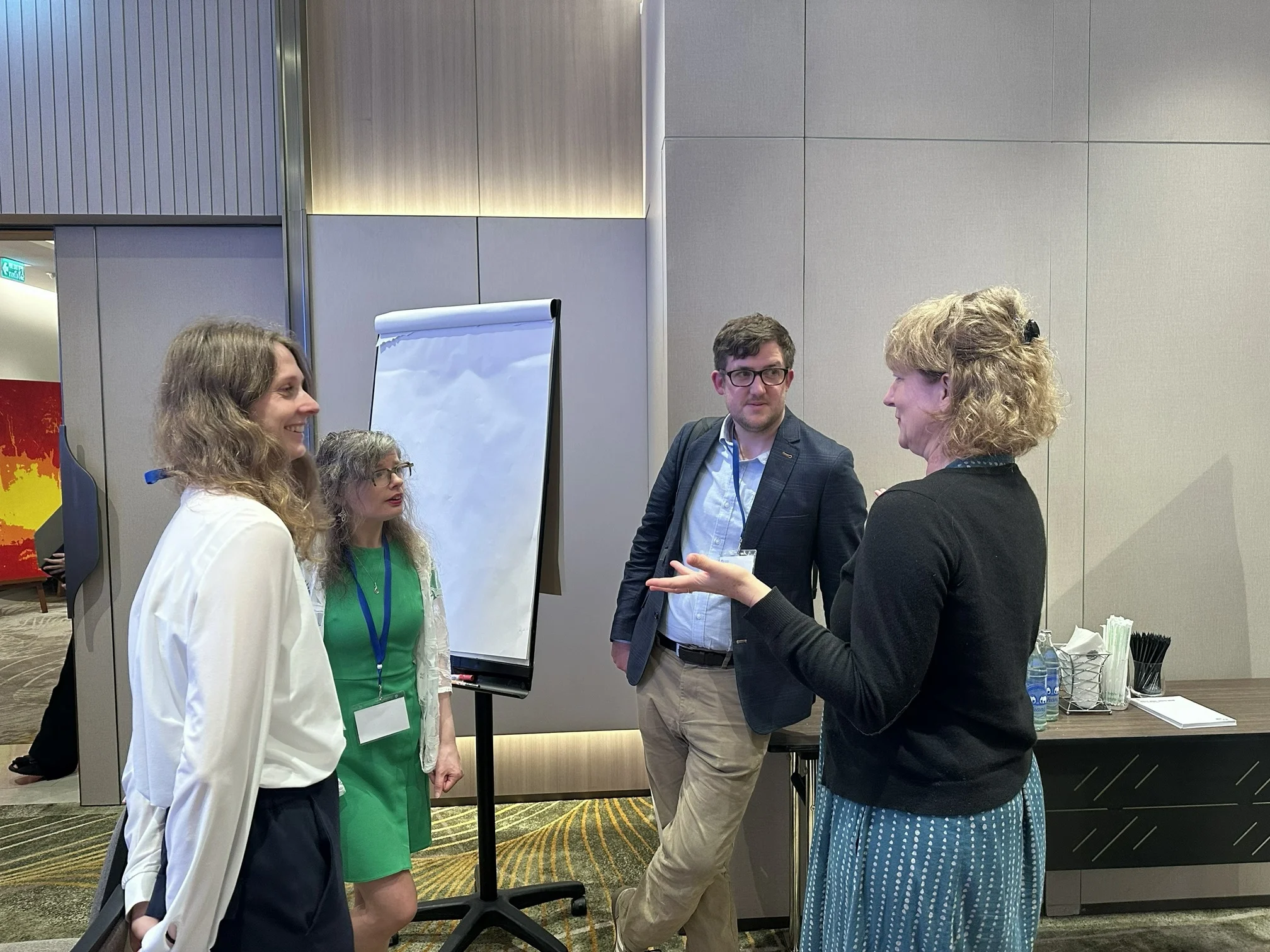
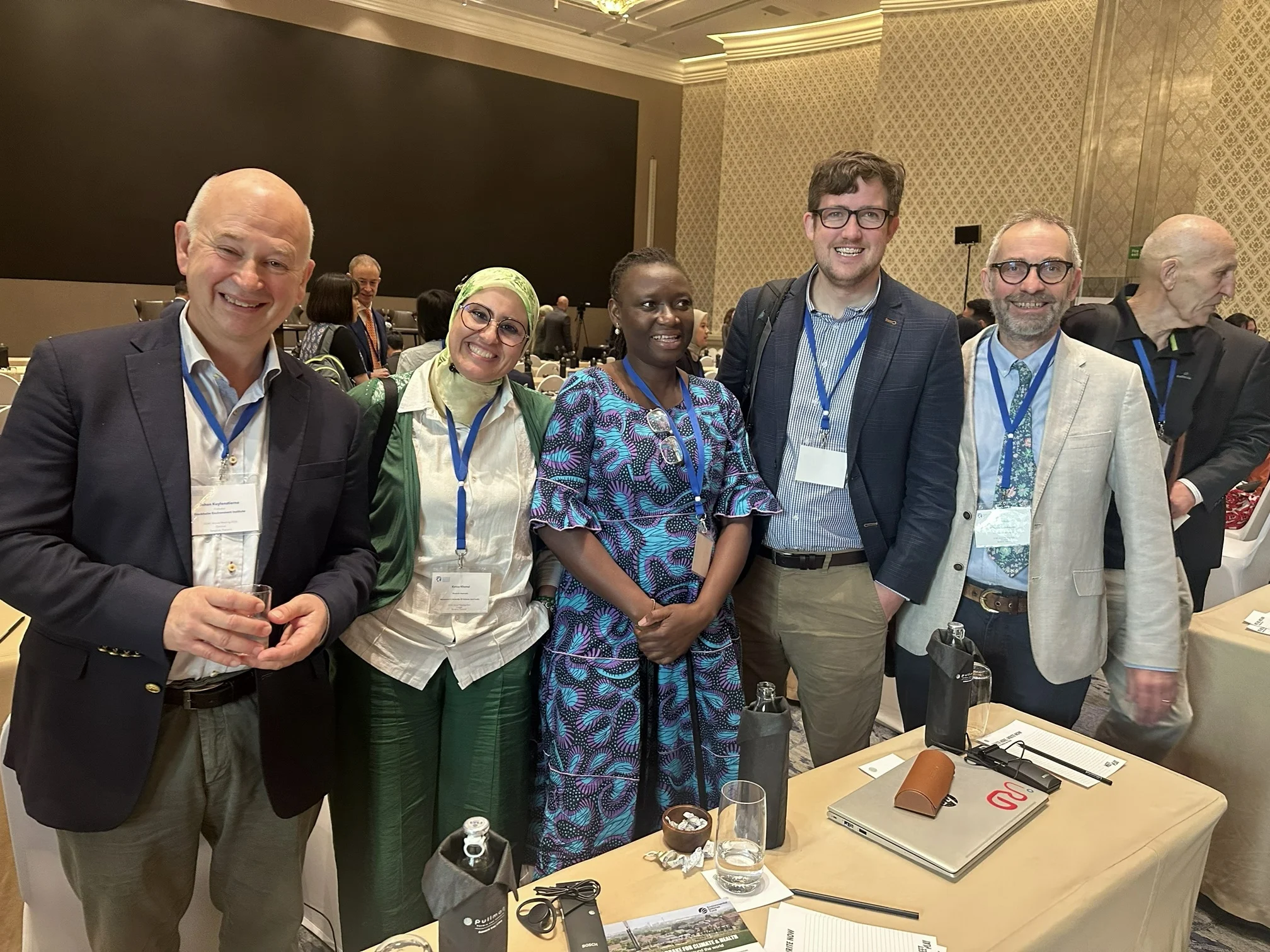
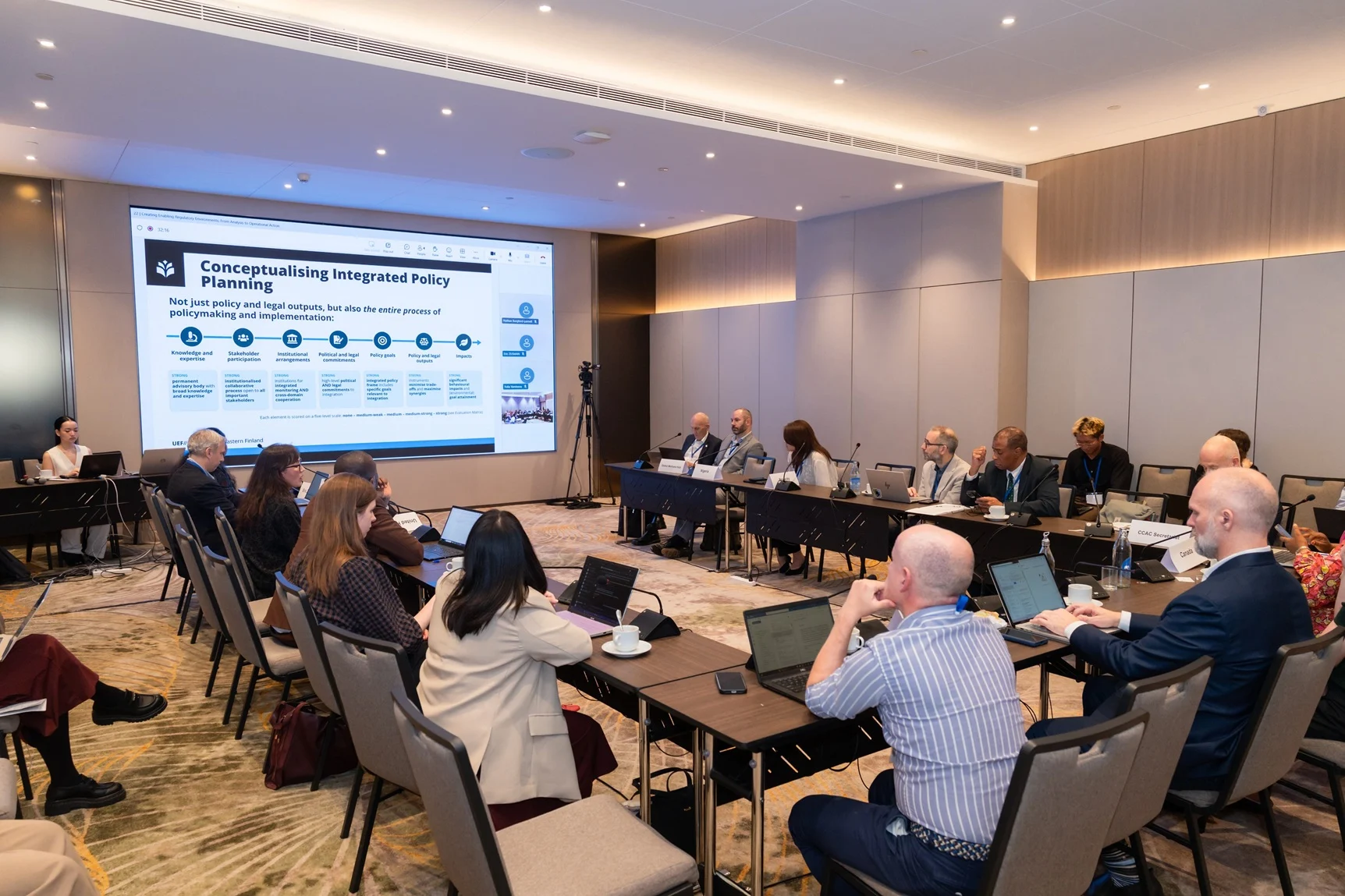
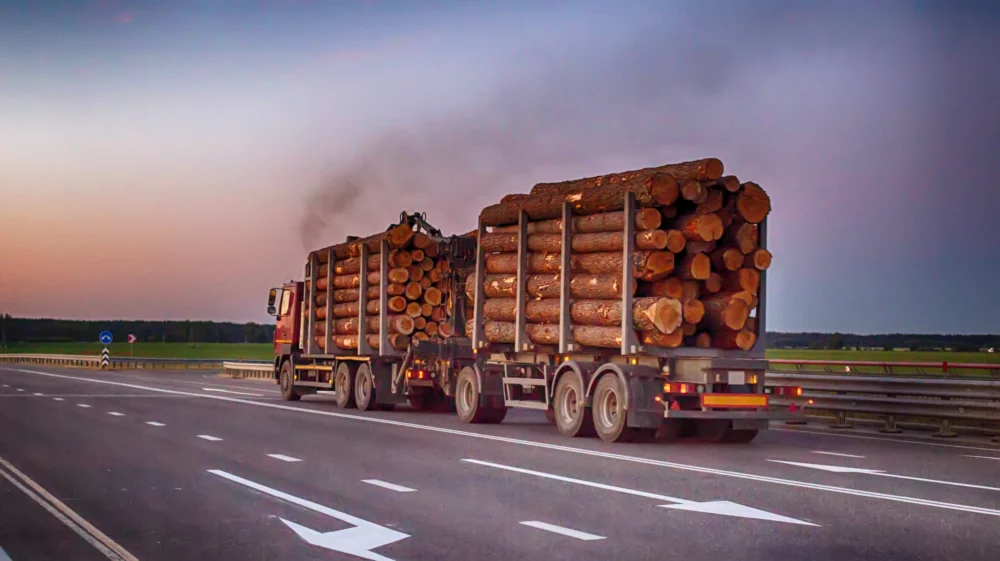
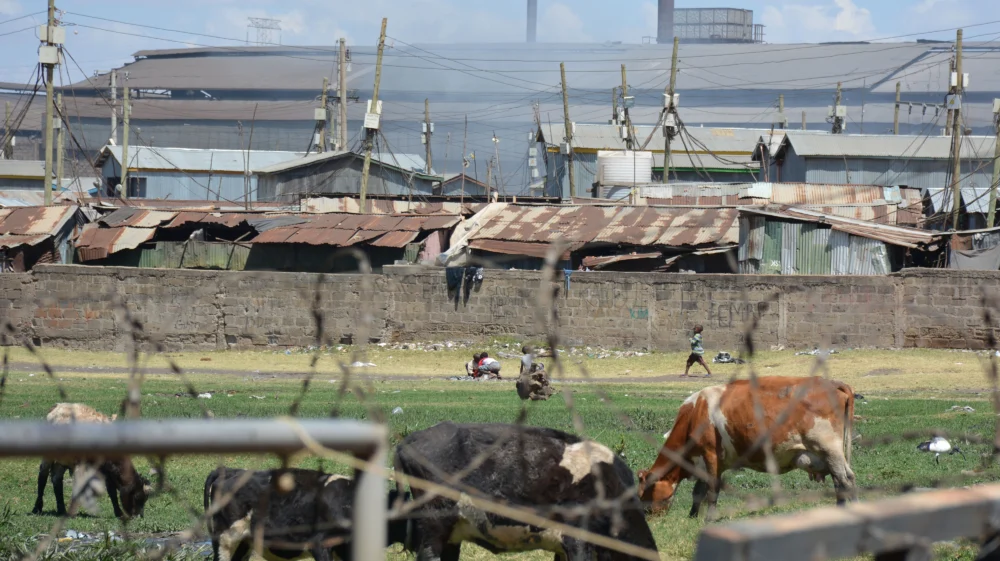
The 2026 Climate and Clean Air Coalition (CCAC) annual meeting in Bangkok highlighted a key challenge: proven solutions to reduce super pollutants, including many short-lived climate pollutants (SLCPs), exist, but implementation remains slow and limited in scale. Drawing on the meeting’s discussions and new evidence on the economic case for integrated climate and clean air action, SEI researchers explore what it will take to turn commitments into action ahead of COP31.
The 2026 CCAC annual meeting, co-chaired by Brazil and the United Kingdom, took place as the world is on track to overshoot the Paris Agreement’s 1.5°C limit, climate risks accelerate, and pressure grows to deliver results before 2030. The scientific case for reducing super pollutants, such as methane, black carbon, hydrofluorocarbons (HFCs) and tropospheric ozone, is well established. These actions can slow near-term warming while improving air quality, protecting public health and food security. The challenge is increasingly how to translate that evidence into policies, investments and programs that deliver measurable reductions in super-pollutant emissions.
The implementation gap is wide. The assessment Hidden Assets: The Economic and Health Case for Climate and Clean Air Action, published by UNEP, the CCAC, SEI and other partners, estimates that institutional, economic, technical and social barriers could delay full implementation of proven solutions by almost eight years globally. That delay would mean action happens too late, with each year of delay costing more than 0.5% of global GDP (USD 1.5 trillion).
The Super Pollutant Country Action Accelerator is one such response. The CCAC launched it with an initial package of USD 25 million to support seven countries – South Africa, Nigeria, Indonesia, Cambodia, Mexico, Brazil and Kazakhstan – to strengthen national coordination, deliver targeted technical assistance and help governments move forward with action across a range of sectors. Its value lies not just in the individual projects it will support, but in how it plans to address institutional barriers that prevent countries from moving from plan to implementation.
Yet technical assistance and catalytic financing alone will not close the gap. Countries also need sustained political will, institutions with a clear mandate, financing aligned with their national priorities and mechanisms to monitor whether policies are achieving the desired outcomes.
The question, therefore, is not just what solutions work, but what enables governments to implement them rapidly, consistently and at scale.
SEI researchers Chris Malley, Kevin Hicks, Connie O’Neill, Johan Kuylenstierna and Frances Ryan share perspectives on what it takes to scale up solutions.
One of the most powerful arguments for moving faster is the economic one. The Hidden Assets assessment looks at 25 proven measures across energy, industry, transport, agriculture and food systems, residential cooking and heating and waste management. It finds that integrated climate and clean air action would deliver about USD 15 in economic benefits for every USD 1 invested, including health and well-being benefits such as fewer premature deaths, less lost productivity and lower medical costs.
We surveyed people responsible for implementing air pollution and climate change solutions in Asia, Africa and Latin America to dig into how these measures are actually perceived on the ground, and to understand the social, technical, financial and institutional nature of barriers. Often the key people can't cooperate simply because the infrastructure and capacity isn't there. A genuinely integrated approach means working across different institutional set-ups, and it means departments that don't normally talk to each other need to start talking.
Kevin Hicks, Professor, SEI York
The health evidence is particularly important: focusing on premature deaths alone risks understating the full burden of air pollution. Illnesses such as childhood asthma, heart disease and cancer also carry high social and economic costs, from lost working days to healthcare expenditure. The added burden of heat stress, often compounded by high air pollution levels, makes integrated action even more urgent, particularly in regions such as Asia and Africa, where evidence gaps remain. While better data are needed to guide and strengthen policy, they should not delay action where the benefits of joint planning are already clear.
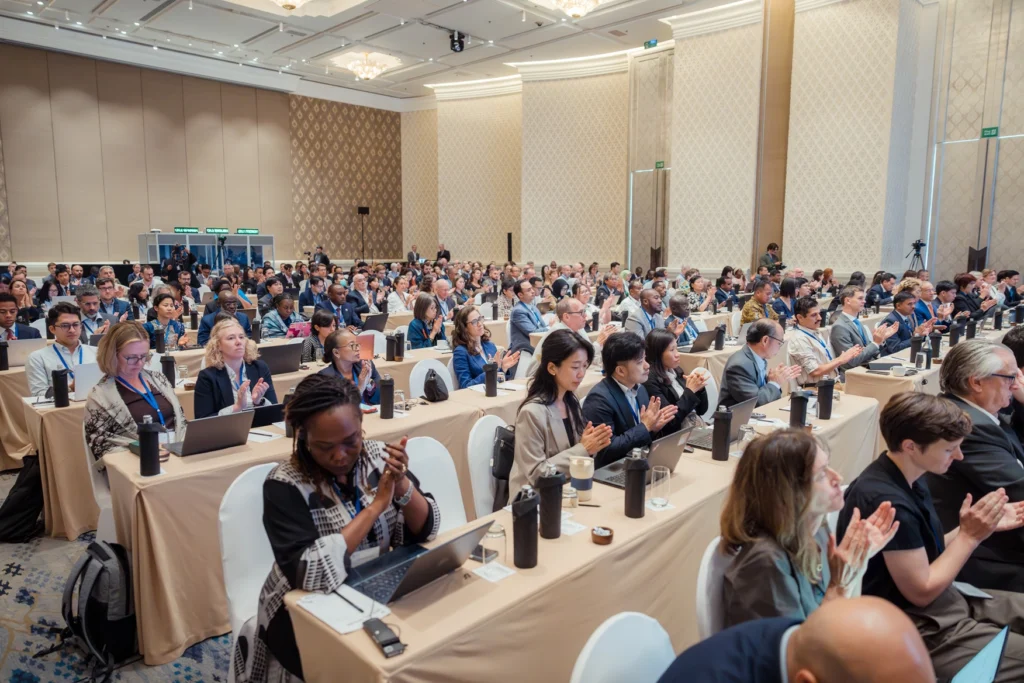
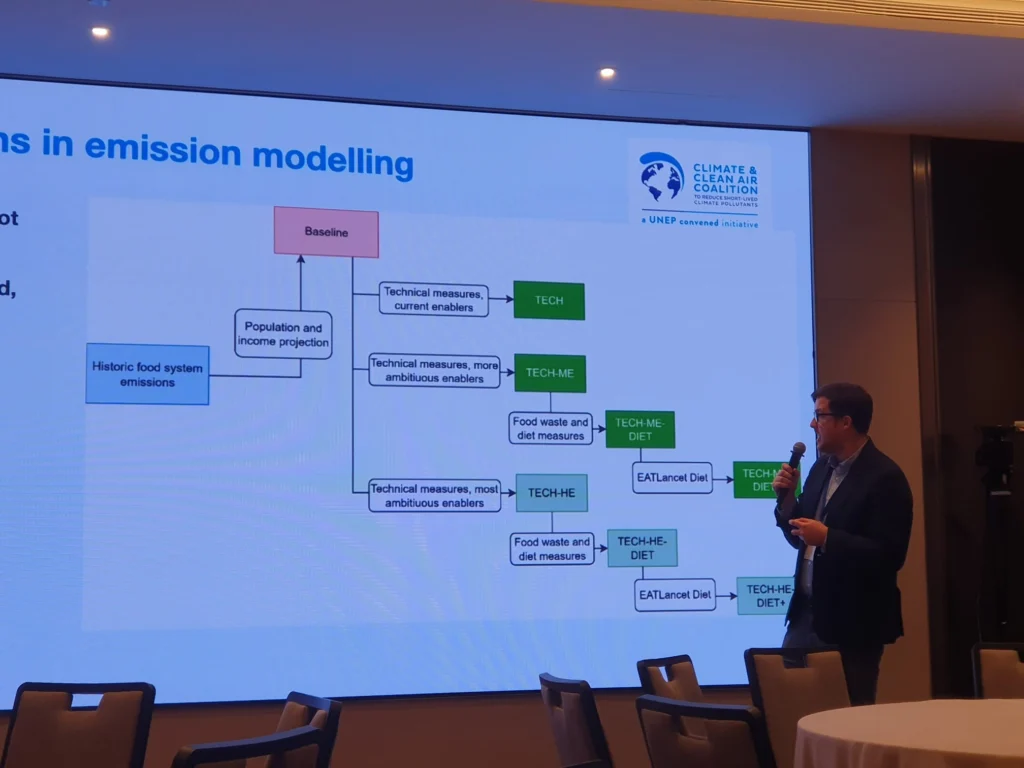
The barriers to implementation are not the same in all countries. Data gaps, limited technical capacity, fragmented responsibilities and difficulty mobilizing finance can all impede progress, but their relative importance will vary by country, its sectoral priorities and its existing institutional arrangements.
The CCAC’s Super Pollutant Country Action Accelerator is built on the value of national coordination and the need for ongoing technical support. Brazil’s experience, as discussed at the meeting, is a case in point for the benefits of aligning ministries and levels of government around common objectives. Other countries’ experiences have similarly highlighted the need for improved monitoring, reporting and verification, as well as support to turn national aspirations into actual programs.
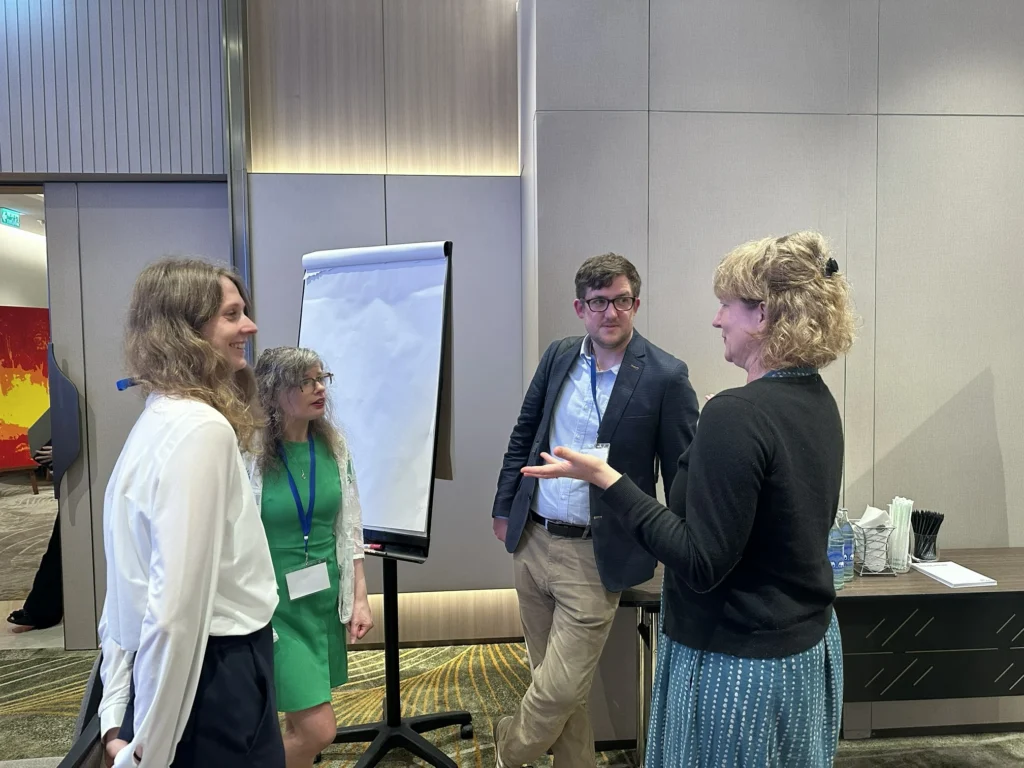
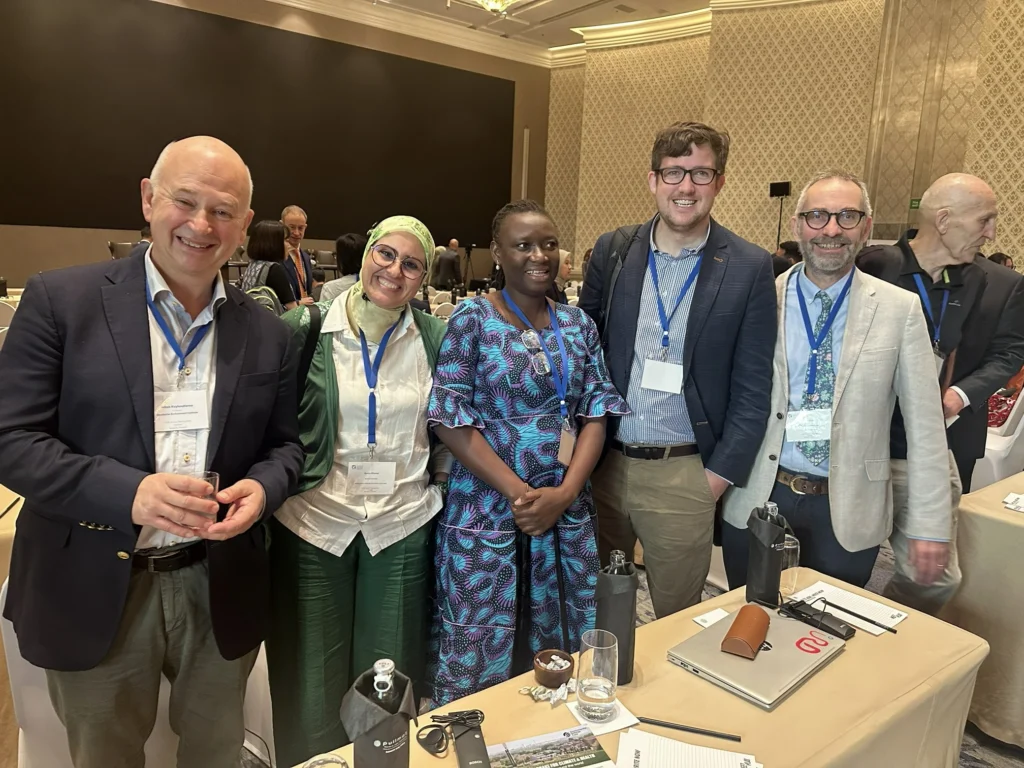
The strongest evidence for action links global benefits to issues that matter to people and decision-makers at the local level. Effective communication therefore requires more than just reiterating global estimates. It means translating the evidence and benefits into terms relevant to the local context, identifying the beneficiaries and making clear how the proposed interventions will contribute to national development objectives.
Financing has to work on the same principle. Public funds, development finance and private investment all have different requirements and different incentives. Catalytic funding can build capacity and develop programs in a country, but credible, practical routes are needed to move from that initial catalytic investment to the country’s own budget and to projects involving public and private financing.

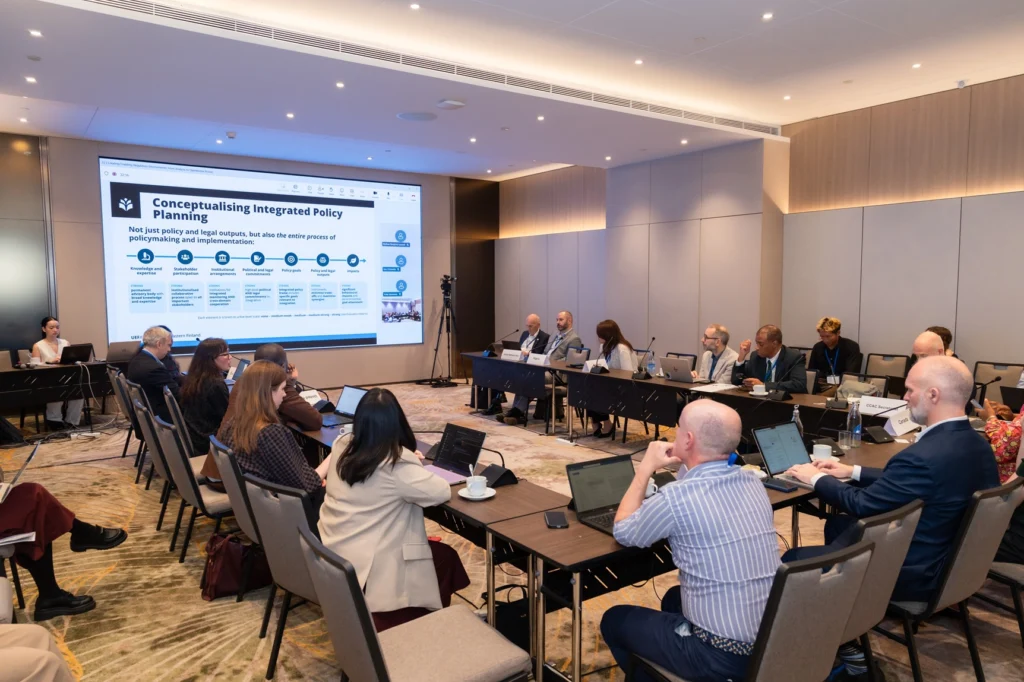
As we look ahead to COP31, the priority has to be turning the increasingly strong economic and scientific case for action on super pollutants into results. The Bangkok process has highlighted a broader lesson: progress will depend not just on the availability of good technologies or the ambition of national pledges, but on the systems that enable countries to implement them. This means placing implementation capacity, institutional coordination and finance at the heart of climate and clean air action. Air quality and climate together need to be embedded in national plans, fiscal frameworks and investment decisions, so that commitments translate into action on the ground.
The real test of success is not how many commitments we make, but how quickly they deliver emissions reductions, cleaner air and real benefits for people and economies. Investing early in enabling conditions on the ground shortens the gap between commitment and implementation. The challenge for COP31 is not just to secure stronger commitments, but to ensure countries have the means to turn them into measurable improvements in people’s lives.
Tool / The Low Emissions Analysis Platform (LEAP) is a powerful, versatile system for energy planning and climate change mitigation assessment.
Project / This project aims to gather evidence and develop roadmaps to encourage investment in initiatives that lower black carbon emissions.
Project / The project supports the development of an Africa Clean Air Program continental roadmap and implementation plans.
Other publication / The 2026 global economic assessment for climate and clean air action highlights the costs of inaction. Each year of delay could cost over USD 1.5 trillion.
Feature / SEI answers six key questions about air pollution and business ahead of Climate Week NYC, highlighting reporting, data and why clean air makes economic sense.
Journal article / "Breathing well" is about more than air quality: cleanliness, population and building density and the presence of vegetation all make a difference.