part of Citizen Science
In this paper, the authors explore how evaluation (particularly formative), participatory methods and ethically informed approaches can actively support more sustainable participant-centred legacies in citizen science.
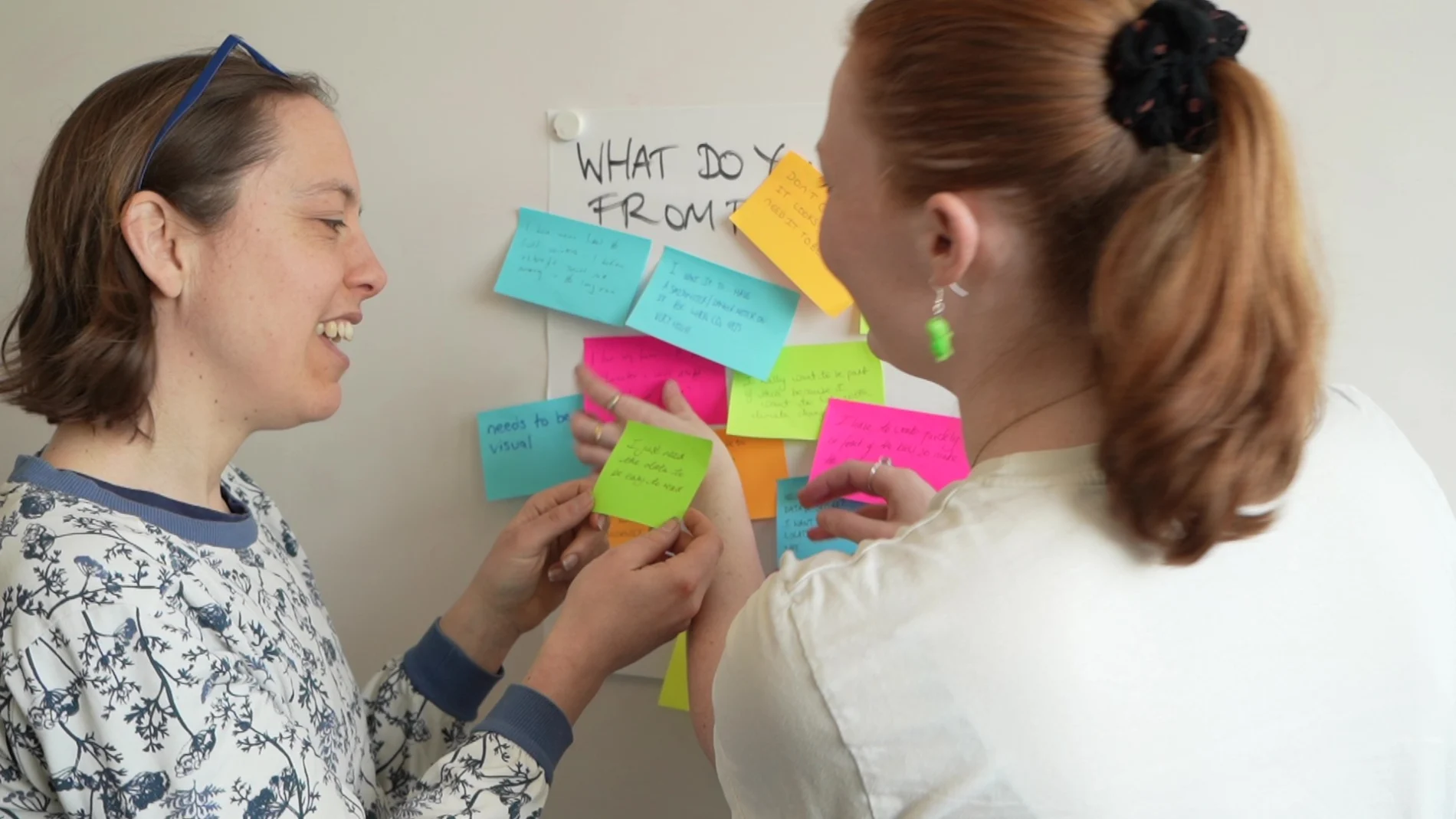
Photo: Anjali Vyas-Brannick / SEI
In this paper the authors draw on nearly two decades of experience to answer two key questions:
SEI York’s Inclusive Citizen Science group is well-positioned to answer these questions. The team was founded through the pioneering Open Air Laboratories (OPAL) project in 2008. Since then, they have conducted citizen science and participatory research work with diverse participants on over 40 projects.
Early project evaluations tended to focus on participant numbers, metrics relating to activities and number of outputs. However, this did not always capture the information needed to to analyze the impact or success of the project.
Iterating on these project processes, the group have adopted a number of approaches to make their evaluations more effective. They began using a Theory of Change to guide their work as a group, as well as producing theories of change for each of their projects.
Taking pragmatic, participant-centred and inclusive approaches to activities during projects lays the foundation for effective evaluation as the work progresses. The team have conducted different forms of evaluation: co-evaluating projects with participants, evaluating projects with non-participating stakeholders (i.e. policymakers or officials who might work with the research produced), and conducting deep dives into the value of citizen science for participants have all improved the quality of evaluation materials.
Planning for a project’s legacy can also be informed by formative evaluation gathered along a project’s lifespan. This ensures that projects avoid ending abruptly as funding and staff contracts end and participants feel their involvement was truly valued. These processes can serve to heighten a project’s impact over the longer-term.
The authors give five key recommendations to those using citizen science methods:
Journal article / Offers youth-generated recommendations for promoting meaningful youth citizen science through which young people can have influence.
Journal article / Quantitative measures combined with free-text boxes in surveys can provide rich insights into the impact of citizen science activities on participants.
Journal article / By observing participatory policymaking activities, researchers found that frames and emotions are mutually co-constitutive.