Here you can find research, publications, perspectives and events related to SEI US.
If you are looking for updates and information from the broader North American region, please follow this link.
1482 results / 65 of 124 pages
SEI brief / This initiative investigates how rapidly growing cities affect residents' wellbeing and how this interacts with the overall health of city systems.
Feature / Two side events discussed fossil fuels. Only one envisioned a sustainable and equitable future.
Past event / This side event, organized the the Climate & Clean Air Coalition, will showcase both the CCAC's multiple benefits pathway framework and SEI's LEAP-IBC tool.
Past event / In this demo at the SEI booth at COP24, Charlie Heaps will give an introduction and demonstration of LEAP, SEI's widely-used energy modeling tool.
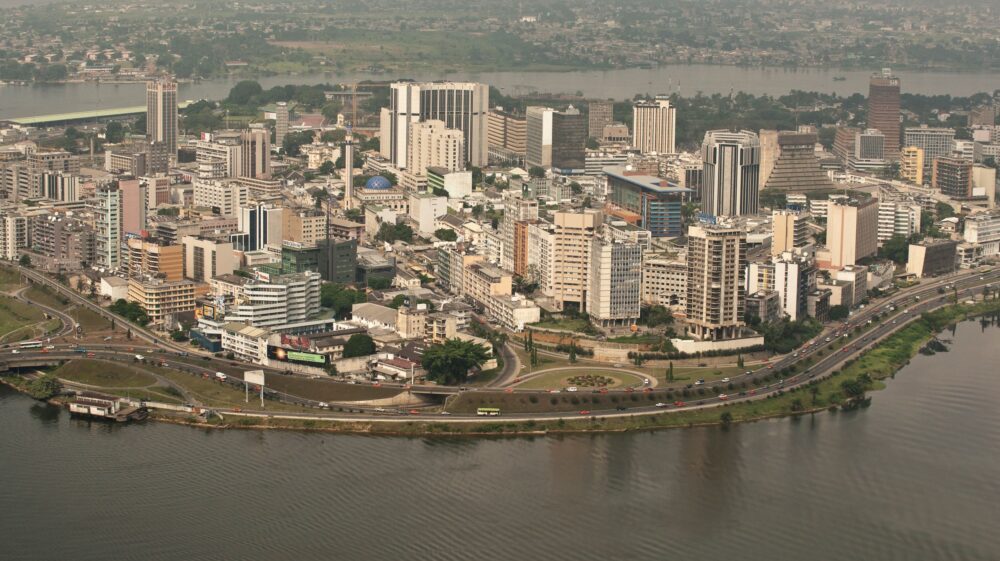
Past event / This COP24 side event will feature representatives from Cote d'Ivoire, SEI and CCAC discussing the benefits of coordinated climate and air quality action.
Past event / Join this timely webinar for a view into what could be the "next big step" in climate policy at this critical juncture in the UN climate negotiations.
Other publication / This paper assesses four possible approaches to account for the linking of ETSs under the Paris Agreement.
Feature / The Talanoa Dialogue will culminate at the UN climate negotiations this month. But what does that mean? This explainer answers that, and more.
Feature / A key focus of this year’s UN climate negotiations is ensuring a “just transition” away from fossil fuels. SEI’s experts explain what that means.
Journal article / This paper lays out principles for equitably sharing the costs of a decarbonization transition and prioritizing which fossil resources can still be extracted.
Journal article / This paper finds that California could reduce global emissions substantially if it joined a growing list of governments that limit oil production.
Press release / As the UN climate negotiations approach, a paper in Nature Climate Change highlights a growing movement by governments to leave oil resources “in the ground”.