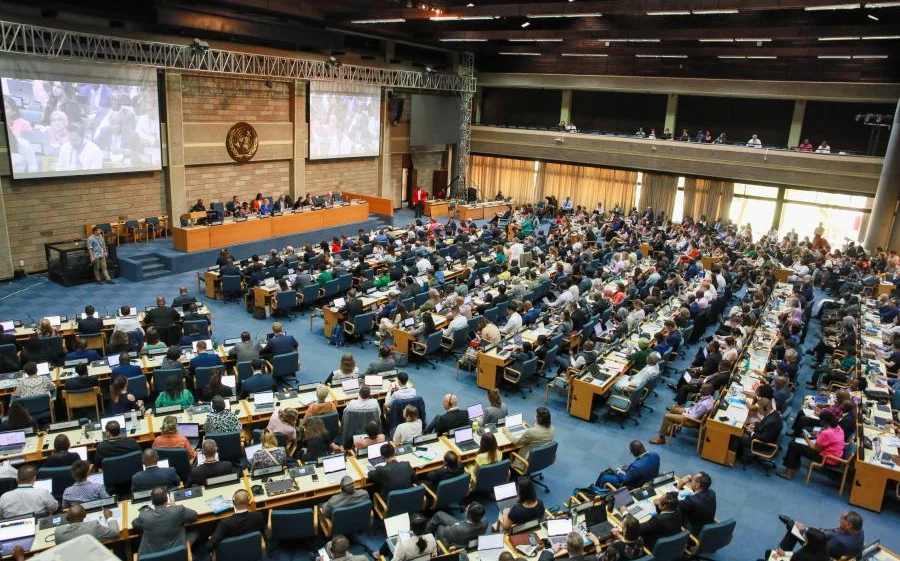
The 20th session of the African ministerial conference on the environment (AMCEN-20) concluded in Nairobi, Kenya, with African ministers adopting common positions on climate and environmental action.
The session, held from 14 to 18 July 2025, brought together 35 environment ministers and representatives from 53 African countries. It aimed to harmonize the continent’s response and efforts toward addressing environmental and climate challenges.
Prior to the ministerial conference, SEI Africa hosted a two-day regional consultative meeting of UNEP major groups and stakeholders to prepare inputs for the ministerial segment. The Africa centre also organized a side event on air pollution and early warning systems for urban resilience, where researchers showcased SEI’s project on clean air for enhanced urban climate resilience in African cities and its impact in the cities (CLEAR).
The time for talking is long past. The time for action is now
Konan Jacques Assahoré, Côte d’Ivoire’s Minister of Environment, Sustainable Development and Ecological Transition.
The minister’s opening statement set the tone for the high-level ministerial segment that resulted in the adoption of major decisions on environmental conservation and governance.
Ministers emphasized that Africa’s climate ambition should be matched by concrete delivery of climate finance. They called on developed countries to fulfil commitments under the United Nations Framework Convention on Climate Change (UNFCCC) and the Paris Agreement, including:
AMCEN further called for stronger alignment between environment and finance ministries within African governments, to ensure climate and biodiversity priorities are included in national development plans and budgets.
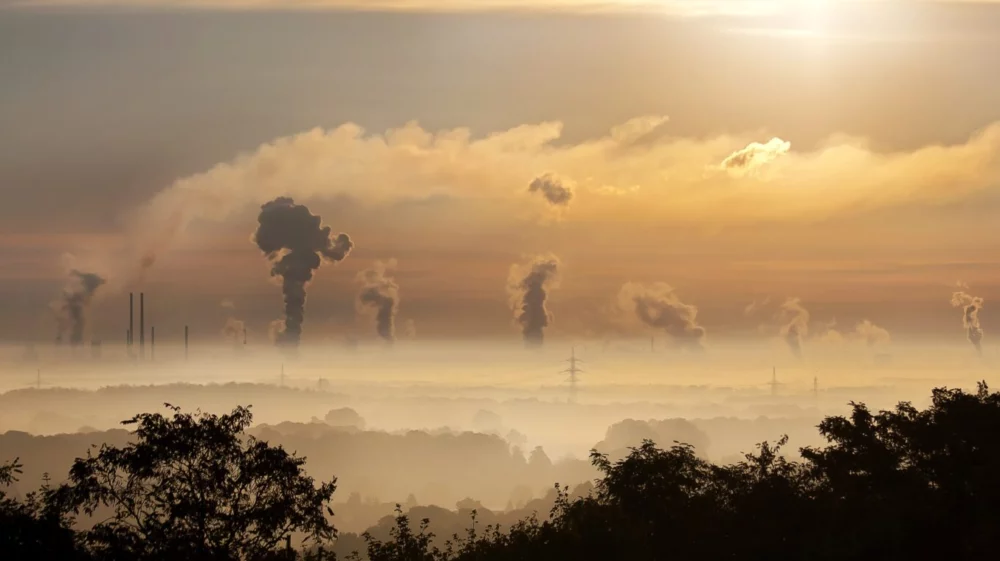
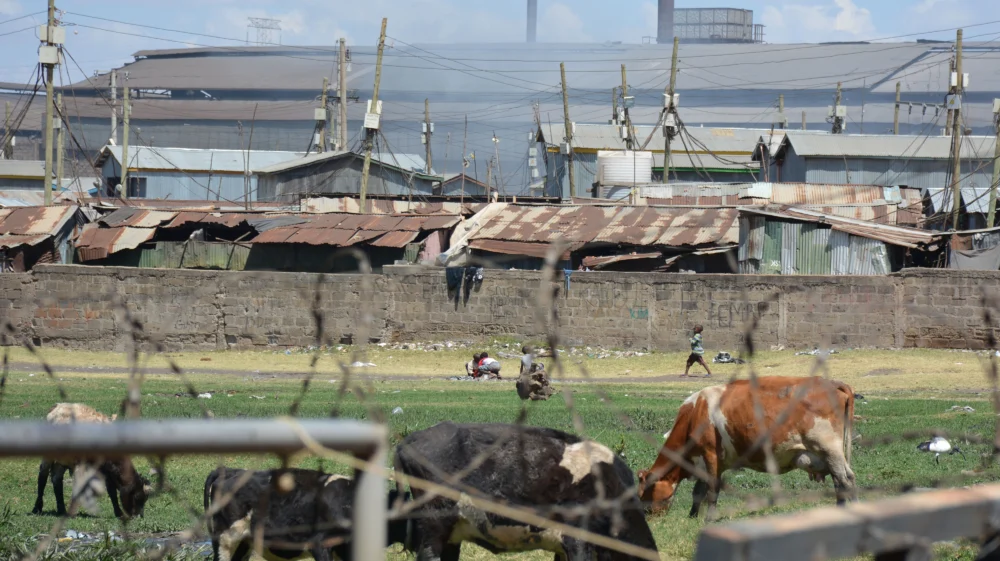
One of the notable decisions was AMCEN’s endorsement of a regional roadmap to eliminate open burning and dumping of waste by 2040, with an initial target of a 60% reduction by 2030. Ministers recognized open burning as a major source of greenhouse gas emissions and air pollution across African cities.
To enable this transition, the ministers committed to:
AMCEN ministers reaffirmed Africa’s full support for the ongoing negotiations on the global plastics treaty. With five rounds of negotiations having taken place since 2022, the ministers called for stricter provisions to limit harmful plastics, encourage transparency of chemicals used in production, and promote equitable financing to support the treaty’s implementation in developing countries.
They also emphasized the need for technology transfer, capacity building, and financial support to help countries meet treaty obligations and scale up more alternatives to plastics that are sustainable.
AMCEN-20 placed strong emphasis on wetlands and ecosystem protection, including coastal and inland water systems. The environmental ministers committed to:
The decision recognized the critical role of Indigenous Peoples and Local Communities (IPLCs) in ecosystem stewardship and called for direct support for IPLC-led conservation efforts.
The conference acknowledged Africa’s growing role in the global energy transition and emphasized the need to align clean energy goals with environmental and social safeguards.
The ministers of environment called for:
They also supported the expansion of clean cooking solutions – such as liquefied petroleum gas (LPG), bioethanol and electricity – to reduce dependency on wood fuel and charcoal, which are major sources of greenhouse gas emissions, indoor air pollution, and deforestation.
The 20th session also served to refine Africa’s common negotiating positions ahead of key global environmental forums. Ministers adopted regional inputs and coordination mechanisms for the 30th session of the Conference of the Parties to the United Nations Framework Convention on Climate Change (COP30) and the seventh session of the United Nations Environment Assembly (UNEA-7), among other upcoming global environmental engagements.
Africa’s global environmental engagements will be guided by AMCEN’s upcoming strategic plan for 2025–2027, which aims to strengthen policy alignment, institutional coordination, and implementation tracking across the continent.
Project / This project will build scientific evidence and knowledge platforms for urban air quality and climate resilience.
Project / The project supports the development of an Africa Clean Air Program continental roadmap and implementation plans.
Media advisory / SEI experts will participate in technical sessions on the UNEA-7 Assembly’s key topics held in Nairobi, Kenya on 8-12 December.
Journal article / "Breathing well" is about more than air quality: cleanliness, population and building density and the presence of vegetation all make a difference.
Feature / Discover how air quality research since the 1990s has shaped policy and highlighted the health, economic and social benefits of addressing air pollution.