A recent systematic review and meta-analysis published in the Journal of International Development explores how water, sanitation, and hygiene (WASH) interventions affect how households allocate their time from WASH to other activities.
We sat down with three of the researchers behind the work: SEI’s Biljana Macura, Sarah Dickin from Uppsala University and Hugh Sharma Waddington from London School of Hygiene and Tropical Medicine. They reflect on the comprehensive methodology they applied to synthesize evidence, the findings, and why time should be a central concern in WASH interventions.
What was the scope of this review and how did you select the studies?
Biljana: Our review sought to understand not only if WASH interventions save time, but also how much time is saved and what people do with that time. We focused on studies that measured time-use outcomes before and after WASH interventions, such as providing water to households, installing toilets, or using water purification systems. The final dataset included 41 studies, covering diverse geographical settings and WASH intervention types. The studies come from our previous reviews focusing on WASH intervention effectiveness and gender and social inclusion in WASH interventions, and include both peer-reviewed and grey literature like United Nations reports. We were especially interested in per-trip time savings and weekly impacts at the household level. This approach gave us a consistent way to synthesize disparate data using meta-analytic techniques.
How did you quantify time savings from such varied sources?
Hugh: It’s a good question – WASH interventions are diverse, and so are the ways studies report time use. We extracted data on time spent per trip (for water collection or using sanitation facilities) and combined it with data on trip frequency. This allowed us to estimate weekly time savings at the household level.
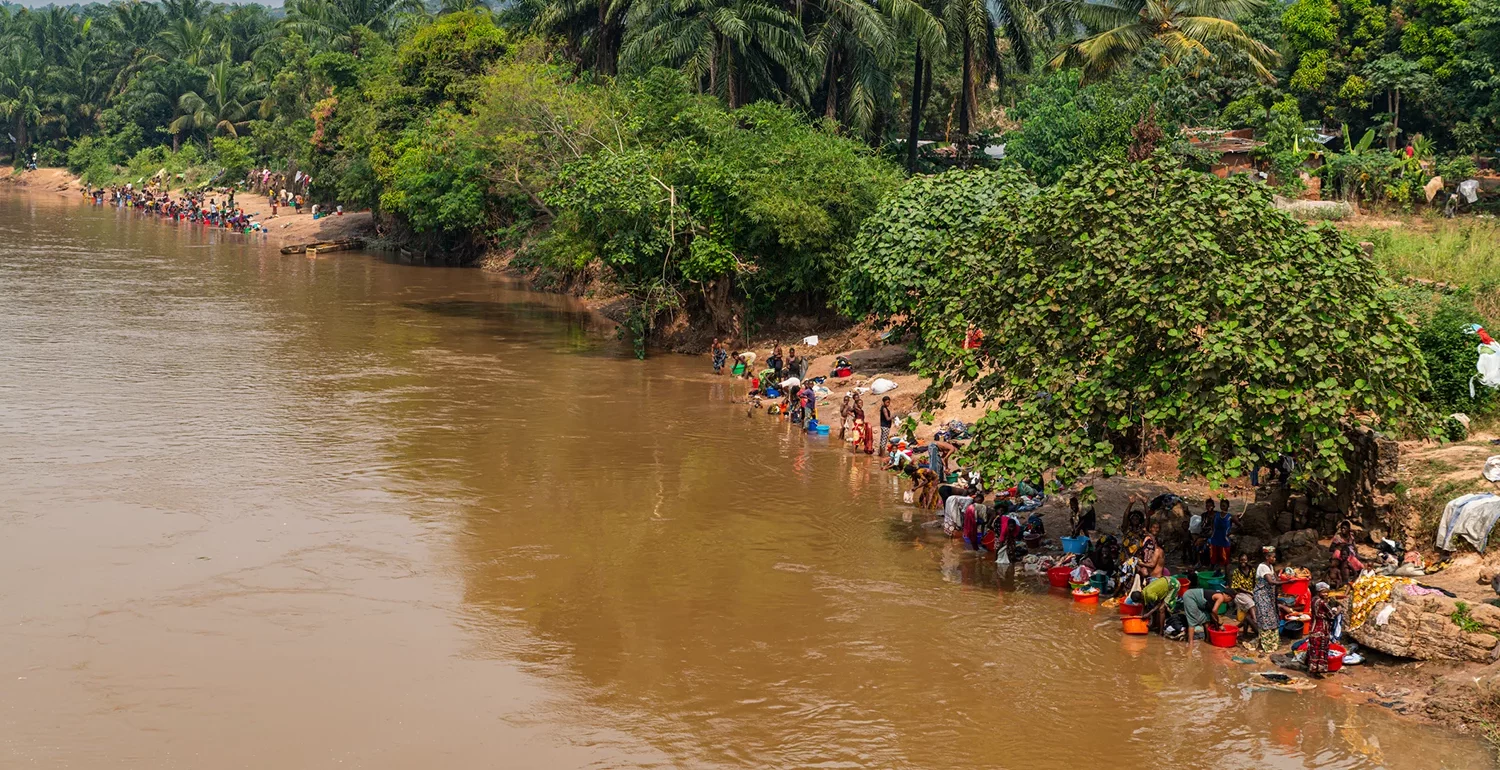
For water interventions, we found an average reduction of 15 minutes per trip, and when multiplied by a typical collection frequency, this translated to about 8 hours of saved time per household per week – approximately one working day. For sanitation, the average trip time dropped by about 3 minutes, leading to about 3.5 hours per week saved, or nearly half a working day. These are significant savings, particularly in low-resource settings where every hour of the day is precious, and especially for women, who are not able to openly urinate near the home and so have to take more trips to those areas protected for open defecation.
We found more studies of water supply improvements and so were able to undertake analyses of different types of water and sanitation such as piped water to homes or installation of community boreholes. We found that time savings were very large, whether water was piped directly to households (in communities that previously shared the water source) or if water supplies were provided at the community level (in communities previously lacking even that). This suggests that each incremental step up the JMP Water Ladder makes a big difference to the people that collect water for domestic use.
We also found some interventions, like treating household drinking water with chlorine, increased time costs. While these costs did not tend to be very large, they need to be balanced against the costs of other types of drinking water treatment such as collecting firewood and boiling water. There are clear concerns about the extent of adoption of public health technologies that impose time costs or otherwise inconvenience users.
What were some of the most compelling findings regarding who benefits from time savings?
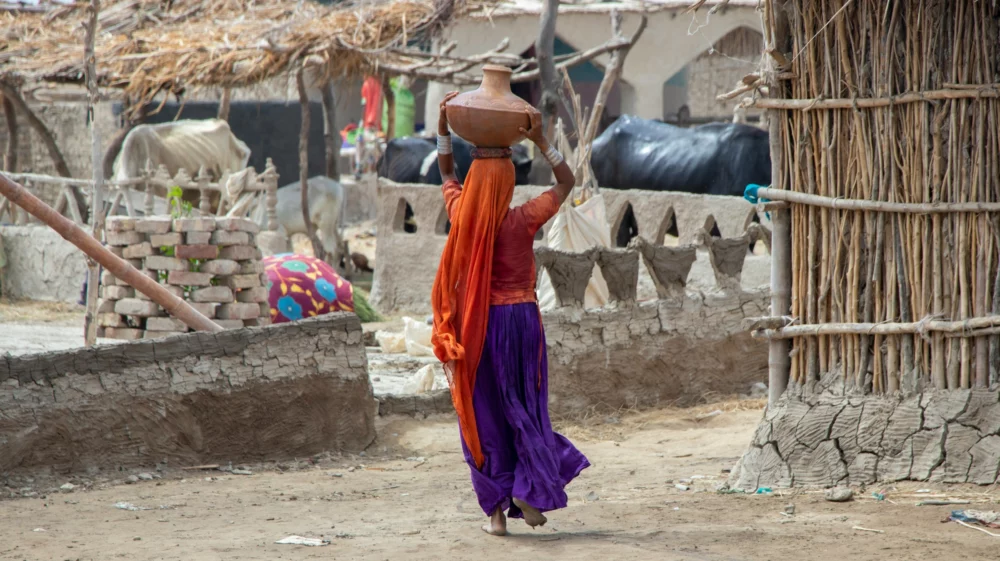
Sarah: The biggest beneficiaries of these WASH interventions with impact on time saving are women and girls. The majority of the studies reported that women are primarily responsible for water collection and household sanitation management. As such, any time saved through infrastructure improvements directly reduces their unpaid labour burden. It’s also important to remember that this can only go so far – it’s also important to think about redistributing unpaid work to men more evenly to contribute in a sustainable way to gender equality. Moreover, this review looked at a range of interventions including sanitation, which often gets ignored in relation to time savings, and provides evidence that sanitation can play a role in reducing time poverty.
Was there evidence of what people did with their saved time?
Hugh: That was one of the most interesting parts of this review. While relatively few studies explicitly measured reallocation of time, several observed or collected reported data on time use. For example, a number of studies found that girls’ school attendance increased when water access improved, as they no longer had to spend hours fetching water. Other studies suggested that women used the extra time for income-generating activities, rest or care work.
This highlights a crucial policy message: freeing up time is not just a secondary outcome, it’s a gateway to empowerment. Investing in WASH is about improving health as well as equity, education and economic participation, and is a clear strategy for pro-poor growth. For example, the World Bank has estimated inadequate sanitation costs tens of billions of Shillings annually, costs that are largely borne by the poorest and perpetuate poverty traps.
What should future researchers focus on to build on this work?
Biljana: We need more studies that treat time as a primary outcome. Time-use surveys should be integrated into WASH evaluation frameworks. It’s also important to capture how saved time is used across different household members, especially across gender and age categories. Moreover, more mixed-method studies would help understand not just the quantity but also the quality of time regained. For instance, a short walk to collect water with others may be preferable for some people than a more highly labour intensive activity that takes less time.
Lastly, I would like to highlight that nearly half of the evidence included in our review (19 out of 41 studies) originated from grey literature (such as reports produced by various organizations). Synthesists and policy researchers should make a deliberate effort to incorporate grey literature, as it can be an invaluable source of information on the implementation and impacts of WASH interventions.
What do you hope policymakers take away from this review?
Sarah: WASH interventions are often evaluated on a narrow set of health metrics like diarrhoeal reduction, but our review shows that time savings is another powerful outcome that illustrates the investment case for ensuring WASH. These time gains disproportionately benefit women and girls, contributing to gender equality more directly. Policymakers should factor time savings into planning services and prioritize interventions that bring water and sanitation as close as possible to households.
Journal article / This systematic review and meta-analysis evaluates time use and time-savings related to WASH interventions in low- and middle-income countries.
Project / SEI research team will synthesize the existing evidence about gender and social equality (GSE) outcomes of water, sanitation and hygiene (WASH) interventions.
Project / This project uses geospatial analysis and public engagement to determine how data centre siting in California affects vulnerable communities' water security.
Journal article / This essay argues that climate adaptation approaches should drive needed social change and challenge austerity approaches, which have undermined resilience.
Feature / Key messages from the second Joint Steering Committee (JSC) meeting on water-related collaboration between ONWR and SEI Asia on 20 August 2026