Skip navigation
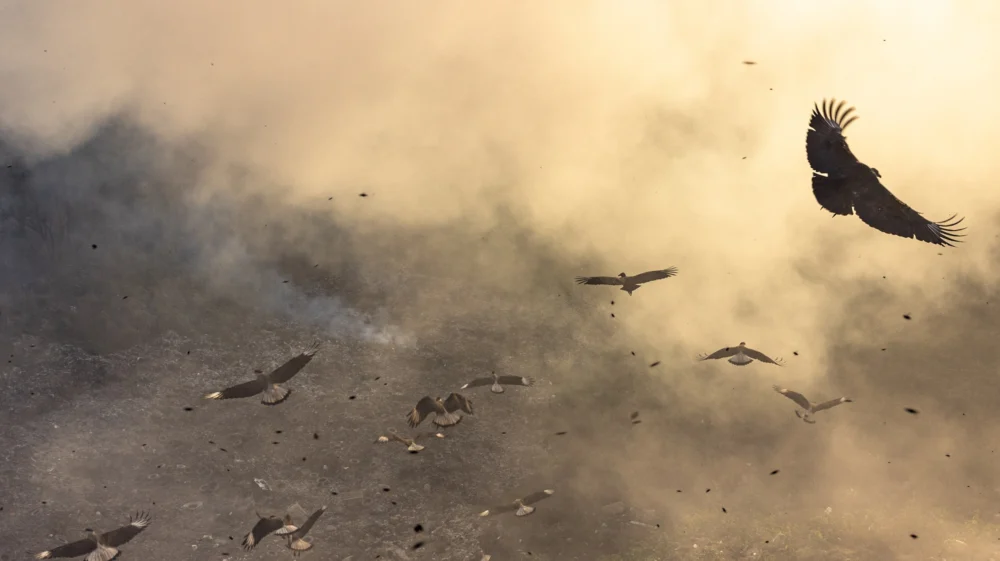
Aerial view of agriculture farm with smoke from crop fire burning releases carbon dioxide. Greenhouse gas. Farmers burn crop residues after harvest to prepare land. Air pollution. Environmental issue
Project

Integrated assessments of short-lived climate pollutants

The project conducts new scientific assessments to explore the potential co-benefits for human health, crop yields and climate change of mitigating short-lived climate pollutants. These assessments, coordinated by SEI based at the University of York, aim to address air quality and climate change in an integrated manner. The current global assessments are on the Economic Costs of Air Pollution and Climate Change, Agriculture and Food Systems and Nitrous Oxide abatement.

Active project

2024–2026

Project contact

Kevin Hicks / kevin.hicks@sei.org

This project evaluates the impact of a range of internationally available mitigation measures on Nitrous Oxide (N2O) emissions, and key co-pollutants, including carbon dioxide, methane, ammonia and nitrogen oxide.  This assessment will provide mitigation recommendations to reduce  climate change and  protect the stratospheric ozone layer, as well as other associated air quality, and nitrogen pollution development benefits. 

The last UNEP global report addressing N2O was released in 2013. There is a growing concern that this gas is being overlooked in the development of climate and ODS policies, creating a gap that needs to be addressed. To address this issue and raise awareness about the significance of tackling N2O emissions, it is necessary to develop a comprehensive status report on N2O. This report will serve as a tool to underscore the importance of addressing N2O emissions and mobilize action. 

The assessment will build on emissions scenarios from the International Nitrogen Assessment (INA).  It will be developed as a collaborative special report with the INA, FAO, UNEP, CCAC and Montreal Protocol Secretariat. SEI at the University of York is assisting the CCAC in coordinating the assessment. The results will be published in a Synthesis Report for decision-making at  COP29 in Baku, Azerbaijan, in November 2024. 

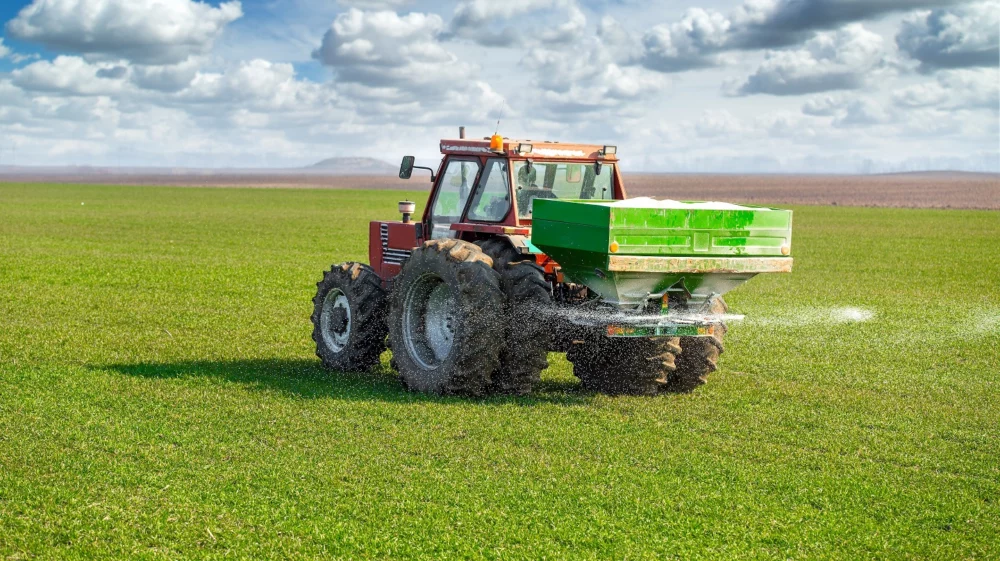
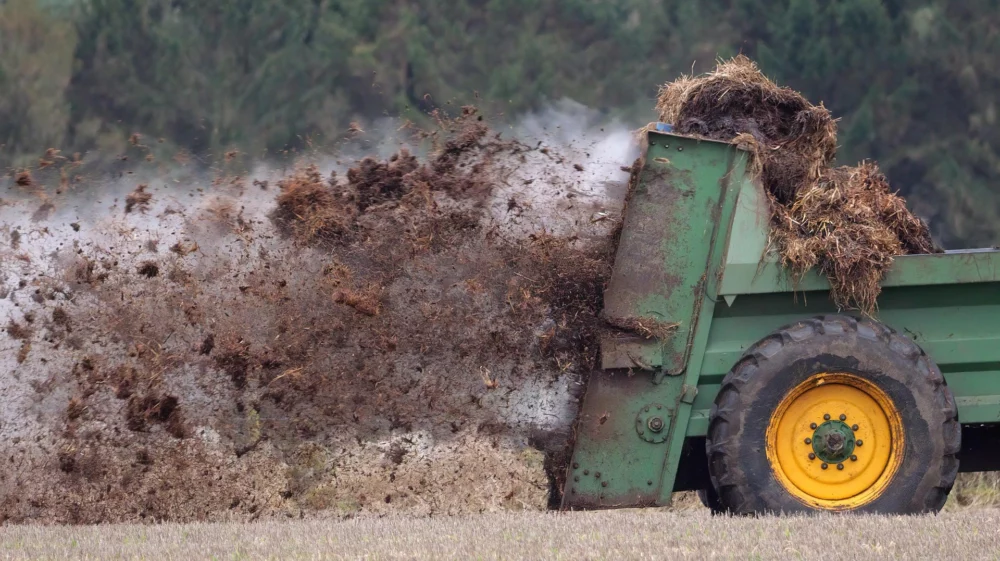
SEI is coordinating the Climate and Clean Air Coalition’s (CCAC) Agriculture and Food Systems Assessment. It is the first CCAC Assessment that focuses on a specific sector. It does this because of the large contribution that agriculture and food production make to Short-Lived Climate Pollutant (SLCP) emissions, e.g. globally 40% of anthropogenic methane emissions come from the agriculture, and ~700,000 premature deaths per year have been estimated to result from exposure to agricultural air pollution. The aim of the Assessment is to:

Identify and assess priority SLCP-focused policies, actions and measures in agriculture and food systems, for use in the development of a roadmap for implementation by 2050, that is consistent with the Global Methane Pledge (GMP) target and 1.5°C climate scenarios and maximises development synergies and minimises trade-offs.

SEI, CCAC and partners, including the FAO and the International Fund for Agricultural Development  (IFAD), are working to develop the Agriculture and Food Systems Assessment, and once completed, it will provide new evidence to meet the needs of decision-makers to promote sustainable food production and consumption.

Policymakers require detailed assessments of the benefits and costs of reducing short-lived climate pollutants (SLCPs)in conjunction with GHGs and their effects on the global economy. This assessment aims to provide new insights into the multiple benefits of tackling climate change, air pollution, and their economic interaction.

The main goals of the assessment are to:

  • Evaluate the combined economic impacts of air quality and climate change.
  • Describe and measure the economic consequences of delaying or not taking significant action to reduce SLCPs, GHGs and other air pollutants compared to taking early, ambitious actions.
  • Compare the costs of taking action to reduce SLCPs and GHGs with the costs of not taking action.
  • Estimate how these costs could affect global economic growth.
  • Assess how feasible it is to implement different measures and what reforms are needed to support these measures and overcome barriers
  • Determine how reducing SLCPs can help meet climate and clean air targets and prevent exceeding temperature limits.

Funding partner

Partners

Project team

Kevin Hicks

Professor

SEI York

Chris Malley

Senior Research Fellow

SEI York

Johan C. I. Kuylenstierna

Professor

SEI York

Jennifer Aghaji

Communications Specialist

Communications

SEI York

Katy Brooke

Project Coordinator

SEI York