Ozone is both a GHG and an air pollutant that decreases photosynthesis and hence plant growth and biomass. Ozone effects on C sequestration caused by reductions in terrestrial biomass have been estimated to produce a radiative forcing effect that exceeds that resulting from ozone acting solely as a GHG. However, these estimates do not consider the possible influence of ozone on soil C sequestration. Since ozone exposure reduces C uptake into plants, it also likely interferes with soil C cycling through altered litter input, decomposition rates and microbial activities.
This project aims to study and quantify the relationships between ozone exposure and probable changes in different soil C pools by: (1) Combining an ozone deposition model DO3SE (capable of estimating deposition, uptake and damage caused by ozone to living plant biomass) with a soil C model (CENTURY); (2). Performing targeted experimental campaigns to provide empirical data to allow the incorporation of ozone effects on plant lignin, root exudates and microbial activity in the integrated DO3SE-CENTURY model and; (3). Application of the DO3SE-CENTURY model at locations in the UK to allow assessments of the impact of ozone levels on both living biomass and soil C.
Funder: AXA Fellowship – Divya Pandey
Partners: CEH Bangor
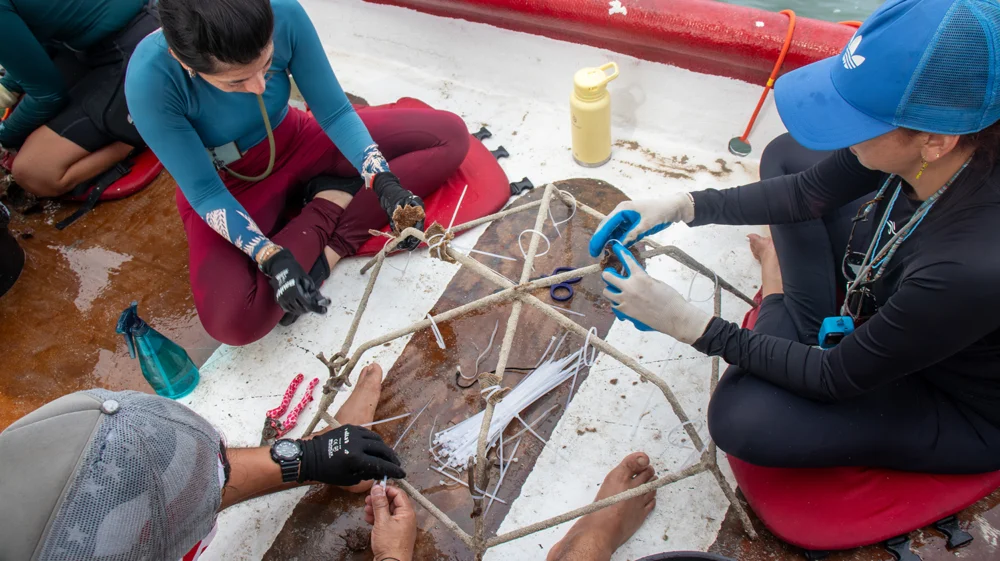
Feature / Three SEI living labs in Colombia, Cuba and the Dominican Republic show how community-led restoration can revive the Caribbean’s coastal ecosystems.
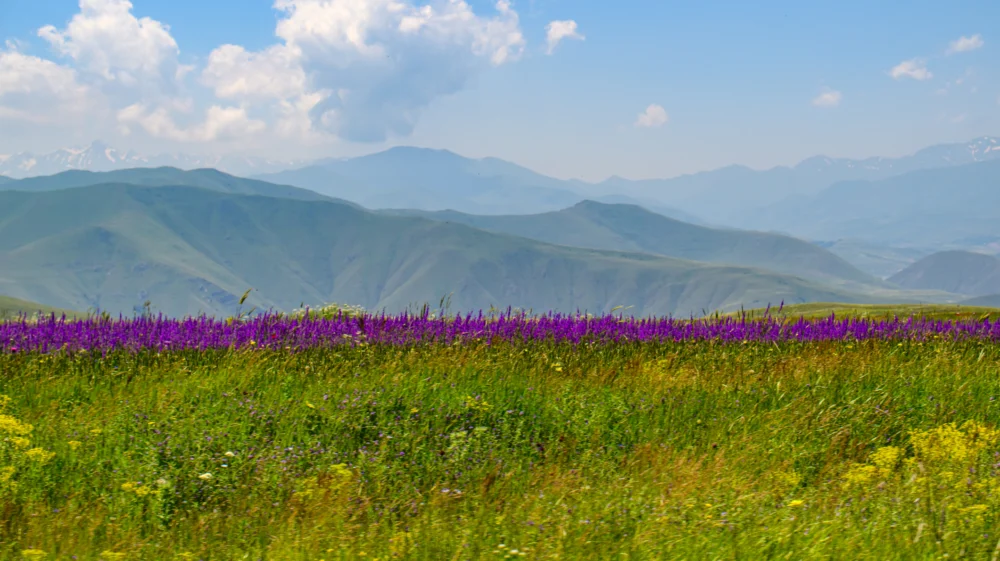
Media advisory / Experts from SEI will be at CBD COP17 in Yerevan from 19–30 October and are available for commentary and analysis.
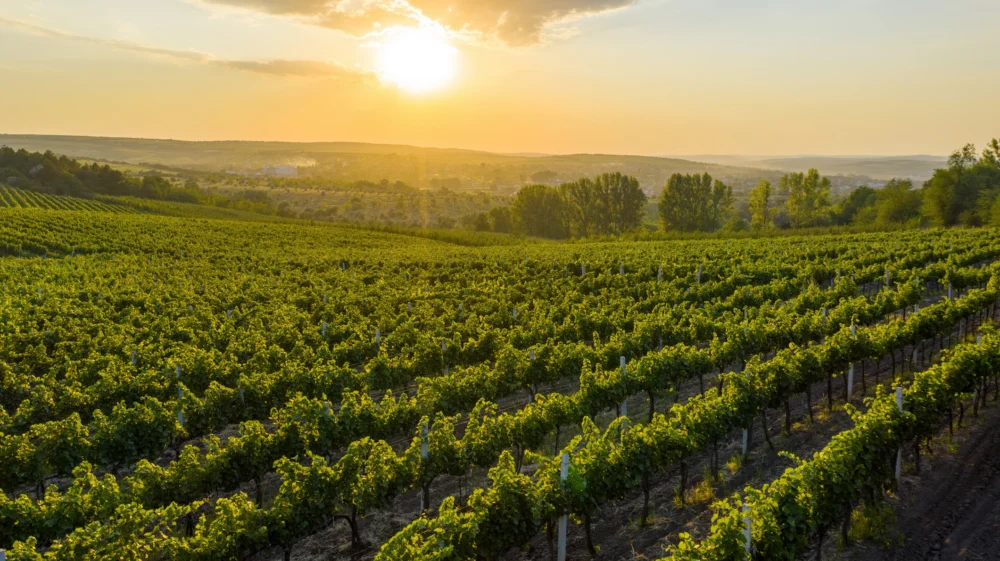
Feature / SEI’s support on water reuse and farm-subsidy reform highlights what is at stake: rural livelihoods, food production and the natural resources people depend on.