This report synthesizes insights from 30 projects supported by the SUMERNET 4
All (S4A) program between 2018 and 2024. Funded by the Swedish International Development
Cooperation Agency (Sida), this program aimed to reduce water insecurities through inclusive,
evidence-based research and policy engagement in the Mekong region.
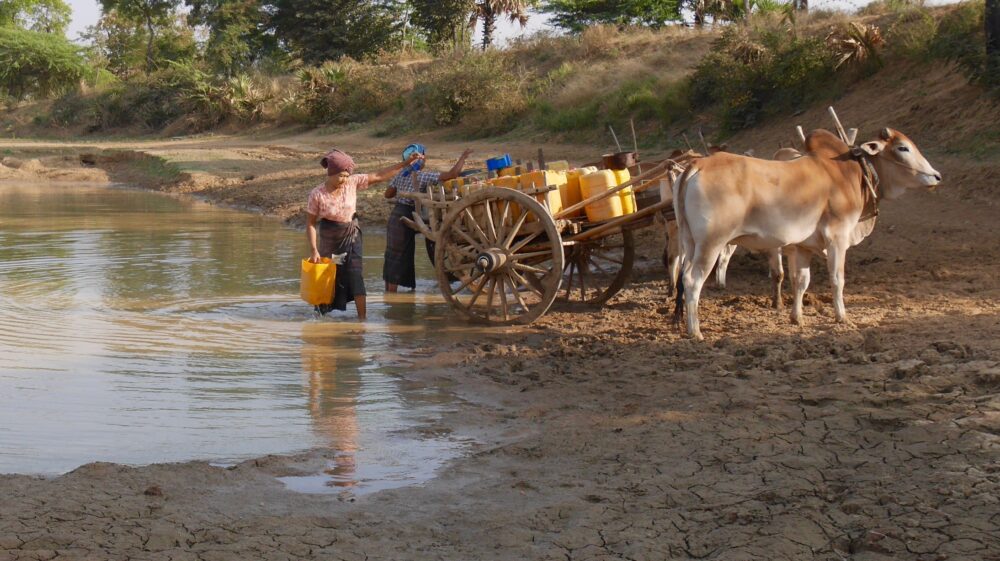
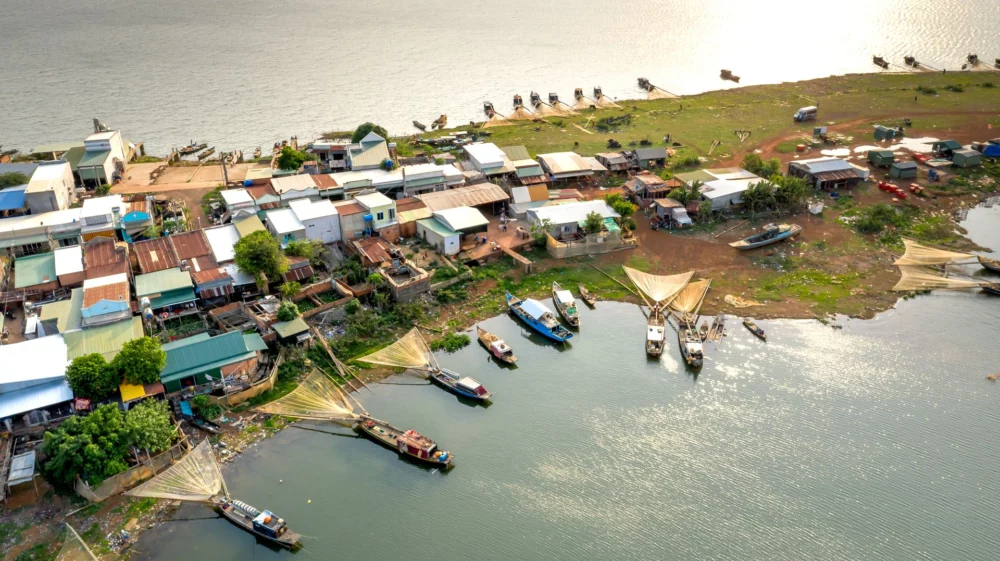
Water insecurities in the Mekong region are driven not only by environmental pressures but also socio-economic, institutional and governance factors. Exclusion from services, marginalization of communities in decision-making, policy incoherence, and insufficient transboundary cooperation lead to persistent insecurities.
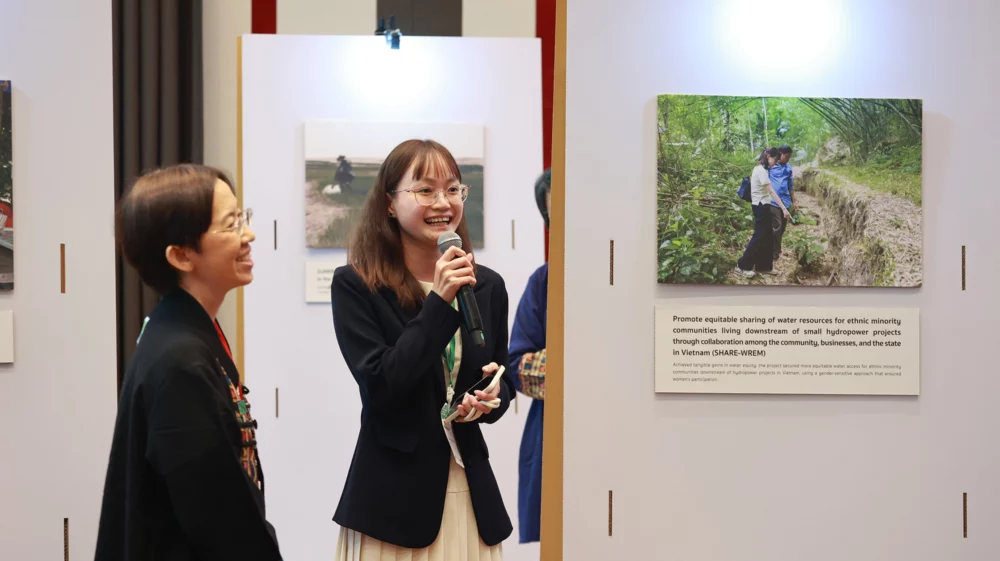
Interventions from within S4A-supported projects aimed at reducing water insecurities included: construction of microhabitats; implementation of rainwater harvesting systems; facilitation of groundwater access and monitoring technologies; establishment of community-based early flood warning systems and management; creation of participatory planning platforms; adoption of adaptive agricultural practices; and utilization of tools such as board games to support and enhance stakeholder learning and engagement. These interventions were co-produced with local communities and embedded gender equality and social inclusion (GESI) principles. Engagement with decision-makers was integrated from the outset to support uptake and relevance.
Program / SUMERNET brings together research and policy partners to engage with water insecurity in the Mekong Region.
Past event / Join SEI experts at Mekong Forum 2026, featuring the technical sessions, exhibition, and innovation pitches.
Feature / SUMERNET was founded with long-term funding from Sida, to strengthen the Mekong Region’s evidence-based policy for sustainable development.
Past event / SEI Asia will be leading the panel discussion on youth leadership at Mekong-Lancang Cooperation Week 2026 on 25 March.