Energy access, renewables, agriculture, biomass, food security, water and sanitation are key areas of engagement for SEI in sub-Saharan Africa.
156 results / 3 of 18 pages
Media coverage / SEI experts illuminate the successes of renewable energy development in sub-Saharan Africa with a message: keep going.
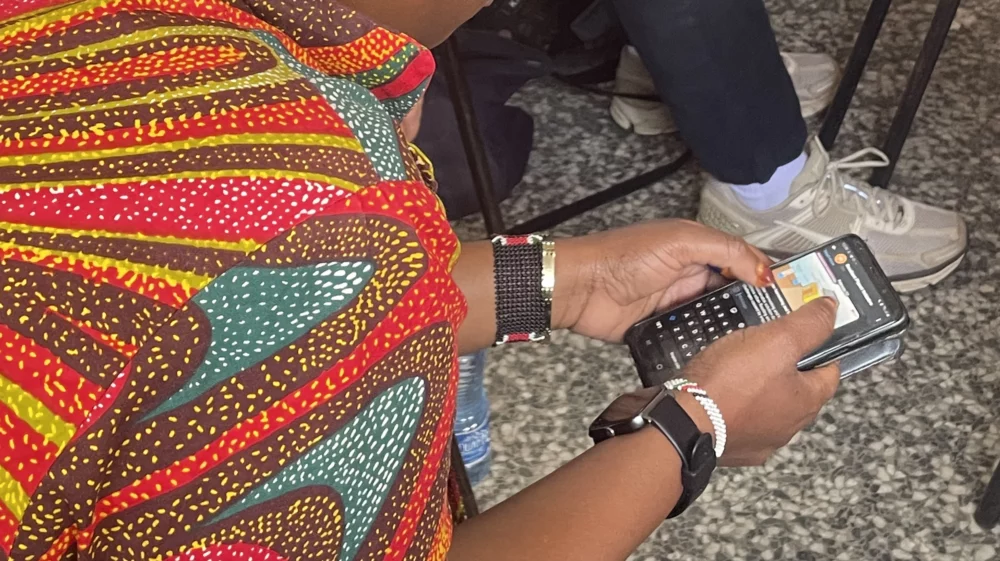
Feature / Residents of Nairobi's informal settlements are working with SEI and Resilient Planet Initiative partners to develop an app to aid climate adaptation efforts.
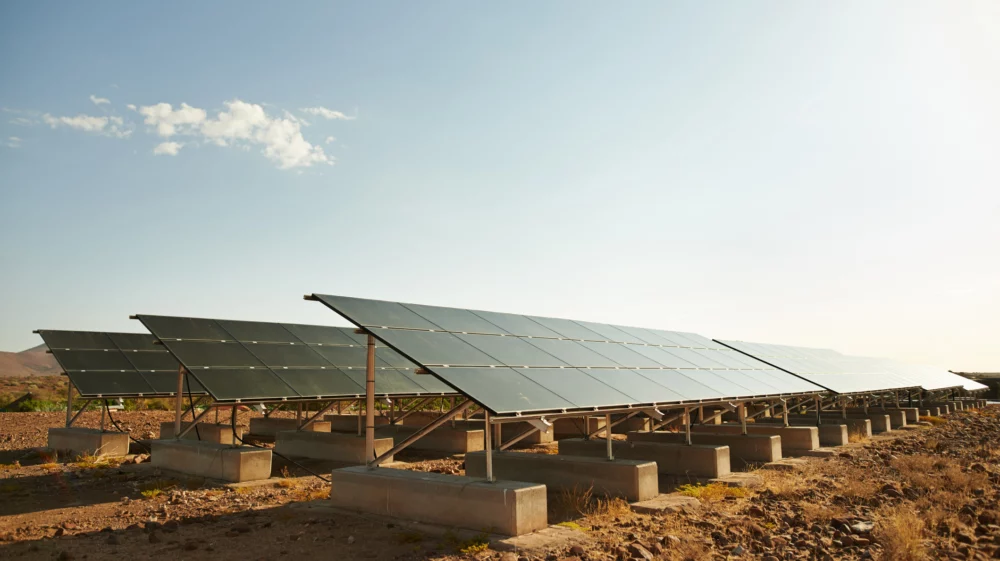
SEI report / This report explores the financial landscape of renewable energy projects in West and Central Africa, with recommendations on how to maximize success.
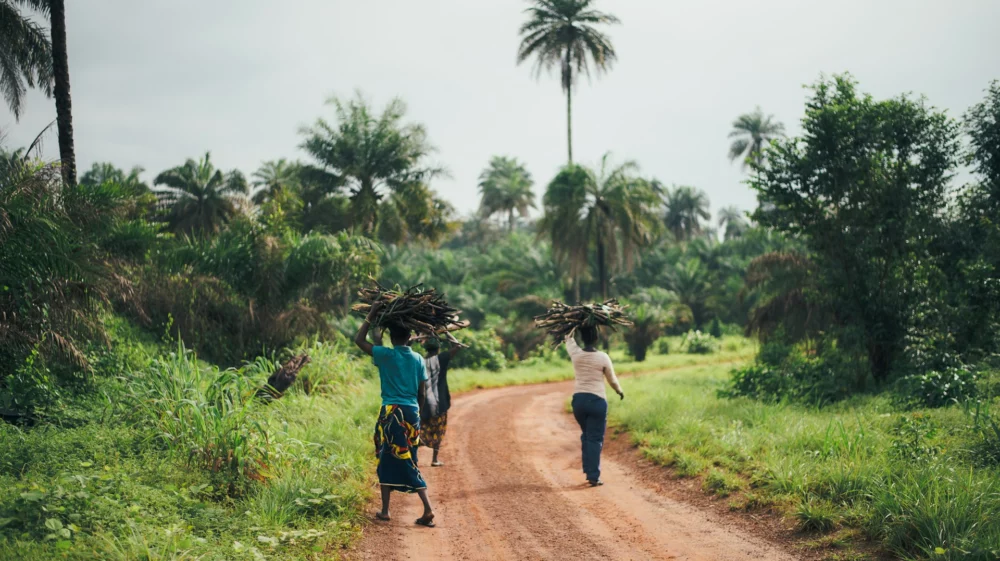
Other publication / This policy brief highlights the value of agroforestry as an important source of bioenergy for households and small-scale industries.
Journal article / This study explores how a feminist political ecology approach can unpack the power differentials that shape climate and migration interactions.
Journal article / This paper contributes knowledge on practices and processes that can enable effective climate services in urban areas of sub-Saharan Africa.
Feature / Cambridge MBA students build diverging business cases for basic service provision in sub-Saharan Africa.
Feature / Renewable energy finance in Africa faces an uphill battle. With patience and more knowledge sharing, recent encouraging results can continue.
Past event / SEI's Finance for Sustainable Development team explored financing solutions for clean energy in Sub-Saharan Africa at this UN side event.