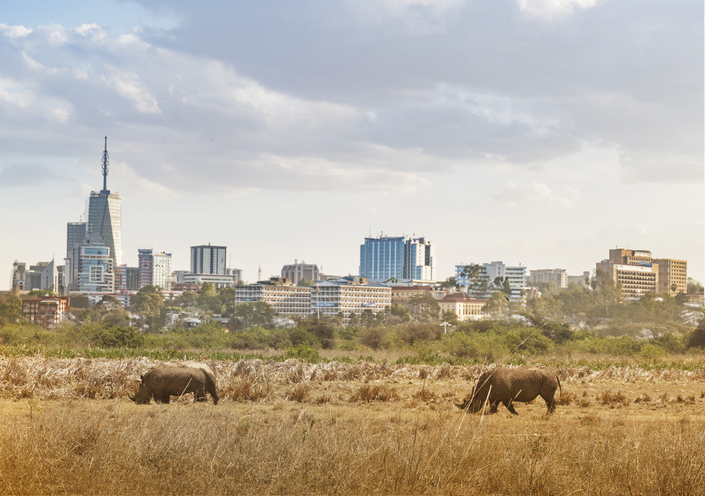
Energy access, renewables, agriculture, biomass, food security, water and sanitation are key areas of engagement for SEI in sub-Saharan Africa.
156 results / 4 of 18 pages
Feature / SEI was invited to share research insights with the International Development Association and Swedish Ministry of Foreign Affairs.
Past event / The training session aims to enhance researchers' ability to bridge the gap between scientific based knowledge and public understanding.
Feature / We speak with SEI US clean cooking expert Rob Bailis on how COP28 delivered for an issue that affects climate and development alike.
SEI report / The authors assessed and evaluated how the first GBP 1 million of Scottish government funding was disseminated and used, with implications for L&D finance.
Feature / A recent SEI workshop in Ghana revealed insights into overcoming investment barriers in African renewable energy.
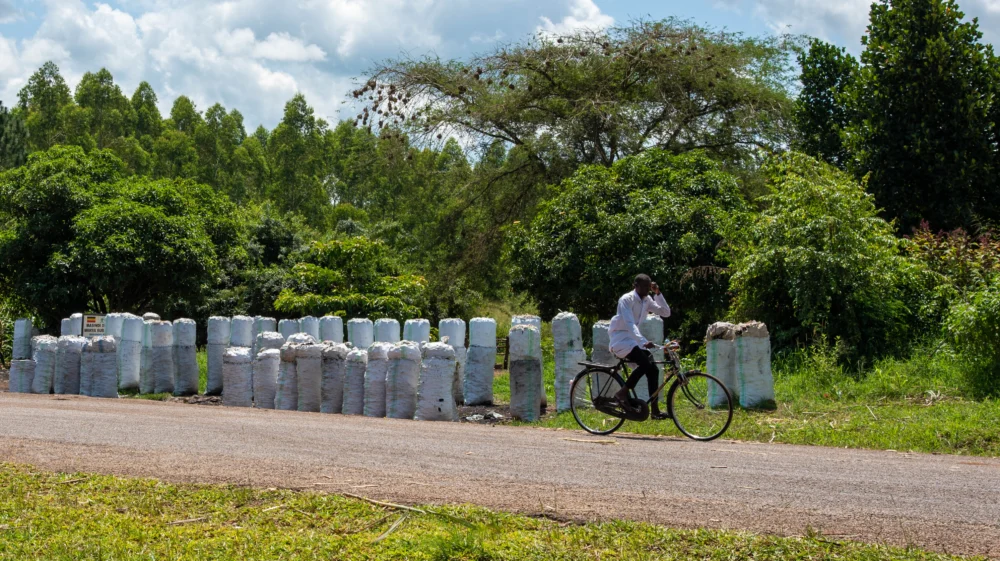
Project / The Ugandan government hopes to scale up cleaner cooking options to curb the health and climate damage caused by burning wood and charcoal.
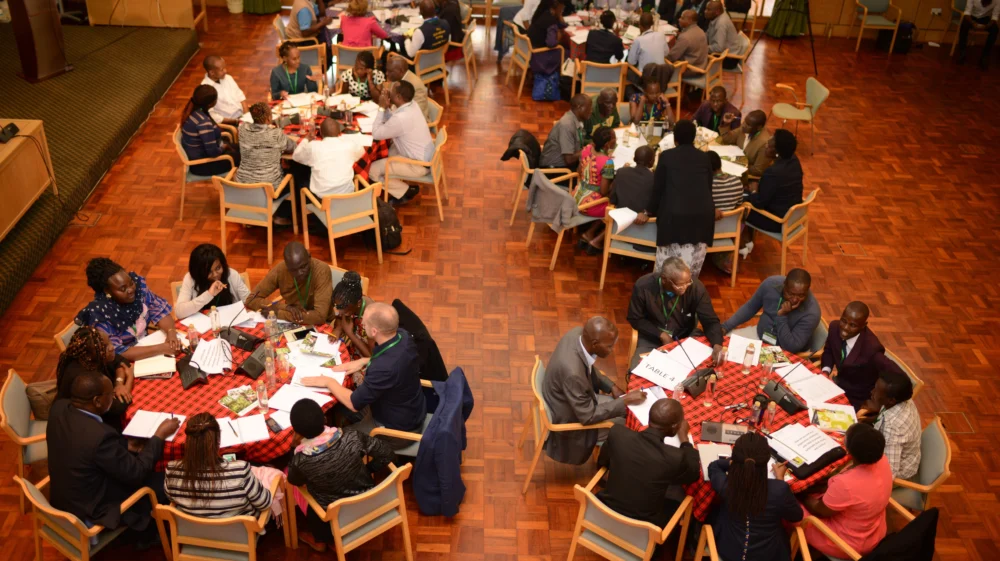
Past event / AgriFoSe2030 will join SIANI to host a workshop in Nairobi on 15 November 2023 themed partnerships and collaborations for food system transformation.
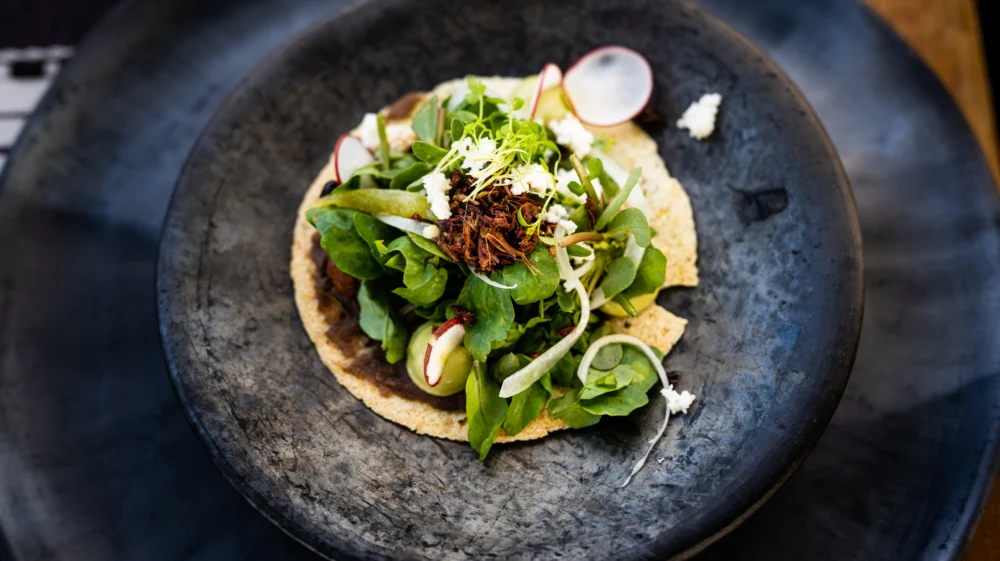
Past event / The AgriFoSe2030 programme invites you to join the launch of the second volume of its edible insects cookbook.
Perspective / An insightful piece on how AWB's Roadmap for African Resilience can strengthen Africa’s resilience against transboundary climate risks.