Photo: chuttersnap / Unsplash
More than 65% of the world's population are projected to live in urban areas by 2050, with major implications resource use, energy, water and sanitation, and health and well-being. At the same time urbanization can bring benefits, especially efficiency gains. SEI examines these challenges in the round to advance sustainable urbanization.
631 results / 5 of 71 pages
Past event / Watch the first in the CHILI seminar series, which brought together experts to explore children’s learning environments and health.
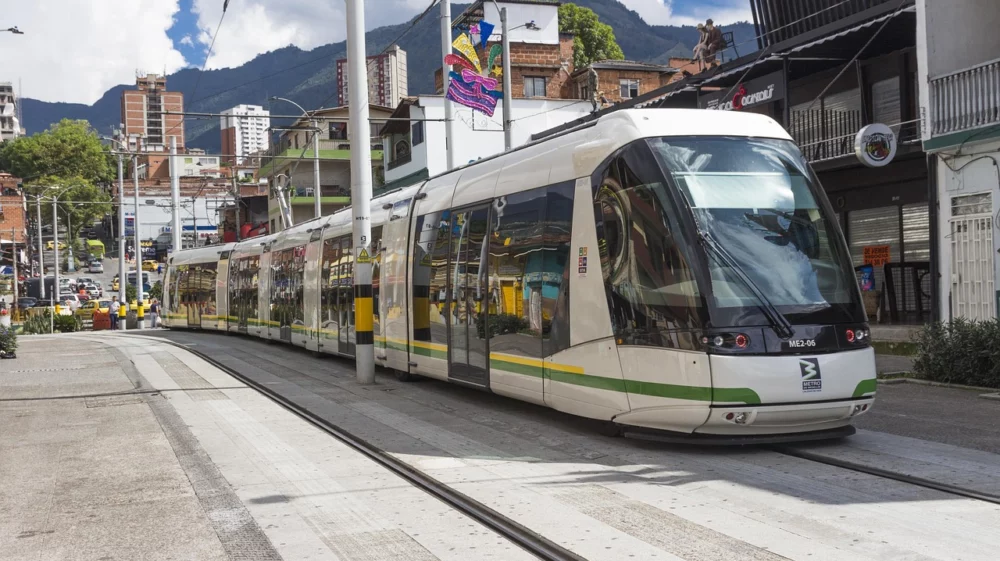
Perspective / Global climate action can be won or lost in intermediate-sized cities. SEI experts offer insights on transport policy changes that can drive a greener future.
Project / TRANS4BIO analyses governance gaps linked to the energy transition and develops policy insights for integrated climate and biodiversity action.
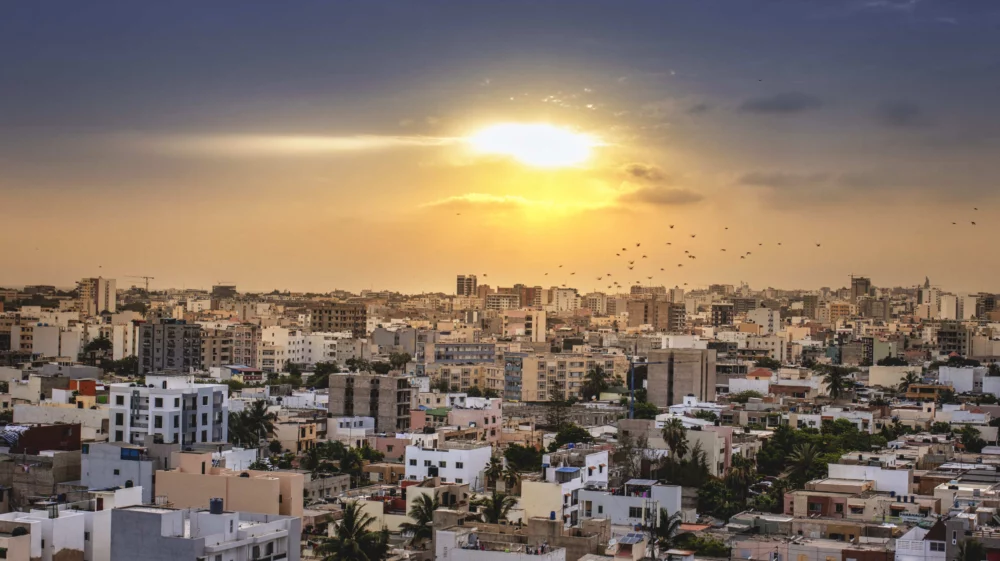
Project / This project strengthens capacity of Senegal’s Ministry of environment and ecological transition to identify sources of SLCPs and develop mitigation measures
Tool / CHEPA is an easy-to-use calculator that helps schools assess how a HEPA filter impacts classroom air quality and energy use.
Perspective / Andreas Hoy argues that a measure of the Paris Agreement's success will be the degree to which urban areas can become resilient to climate change.
Journal article / Through a knowledge co-production process in Malmö, this article explores its unintended consequences and implications for epistemic injustice.
SEI podcast / Deep dive into the science of shifting heat patterns, the inequalities in who suffers the most, and the lessons from urban design innovations in Asia and Europe
Project / An interdisciplinary network set up to understand particulate matter in indoor air, its health impacts and effective and equitable ways to address it.