Photo: chuttersnap / Unsplash
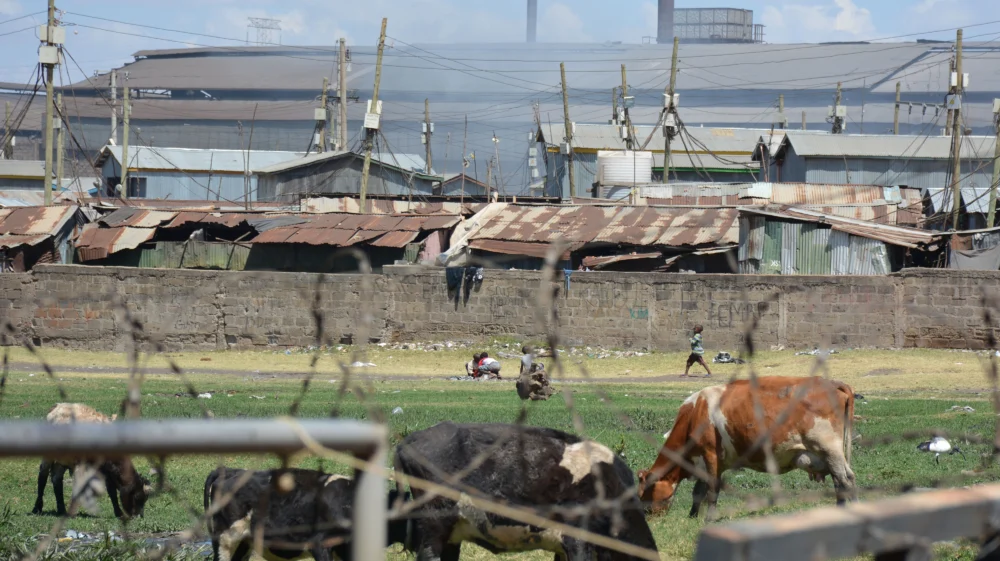
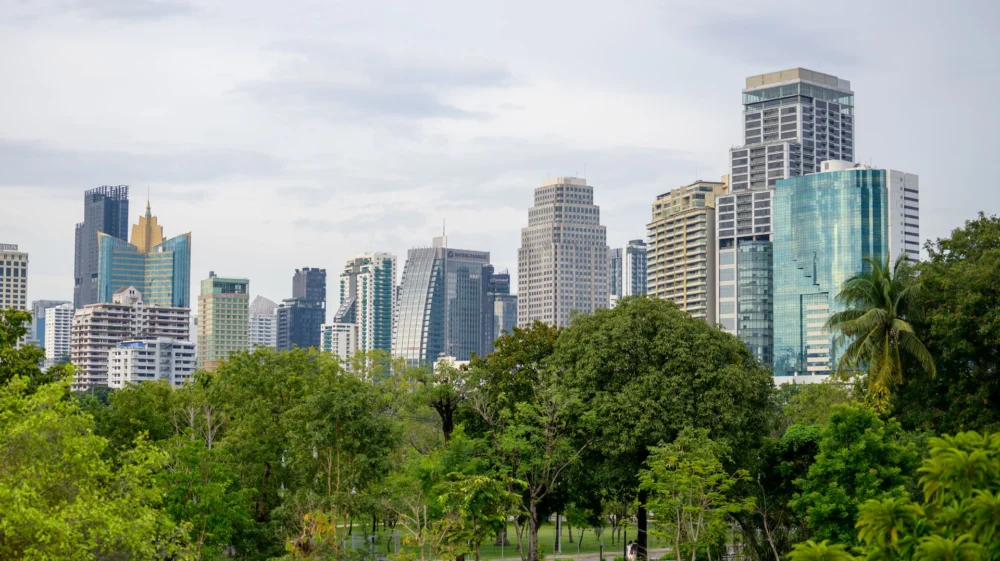
More than 65% of the world's population are projected to live in urban areas by 2050, with major implications resource use, energy, water and sanitation, and health and well-being. At the same time urbanization can bring benefits, especially efficiency gains. SEI examines these challenges in the round to advance sustainable urbanization.
Journal article / The authors argue that monitoring and evaluation for nature-based solutions (NBS) should be treated as a collective learning process.
633 results / 1 of 71 pages
Past event / In this CHILI seminar, Smriti Safaya presents findings from a scoping review of educational, behavioural, and communication interventions to improve school air.
Journal article / "Breathing well" is about more than air quality: cleanliness, population and building density and the presence of vegetation all make a difference.
Feature / At the Bangkok Climate Action Week 2026, SEI Asia will showcase research and build pathways for climate action through science, dialogue, and engagement.
Journal article / This article maps consumer carbon footprints by urban density in Europe, revealing what drives the changes.
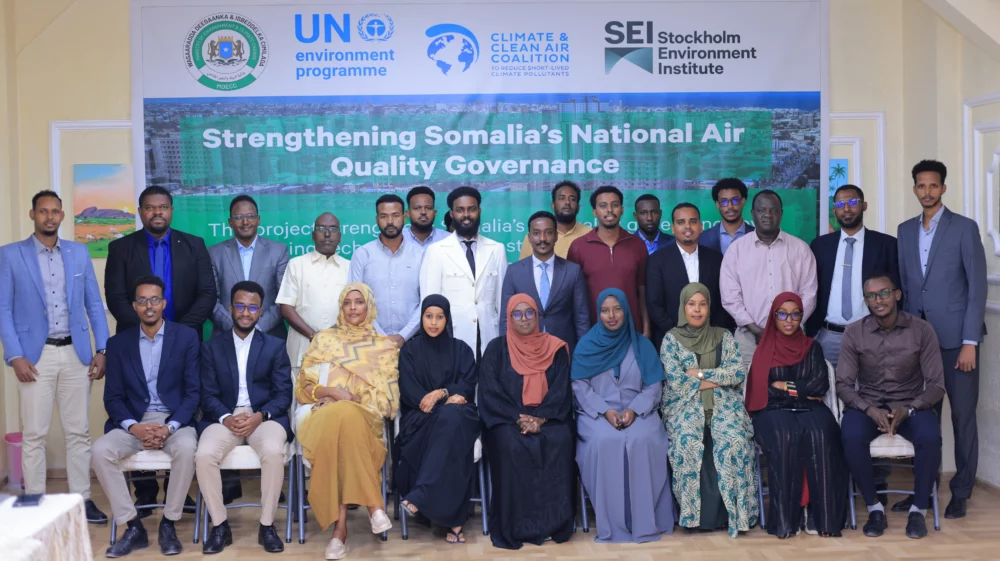
Feature / A three-day workshop in Mogadishu, supported by SEI Africa, ended with a new multisectoral working group to guide Somalia's air quality policy.
Perspective / This article offers lessons from Labuan Bajo, Indonesia, on turning circular economy policy into local action.
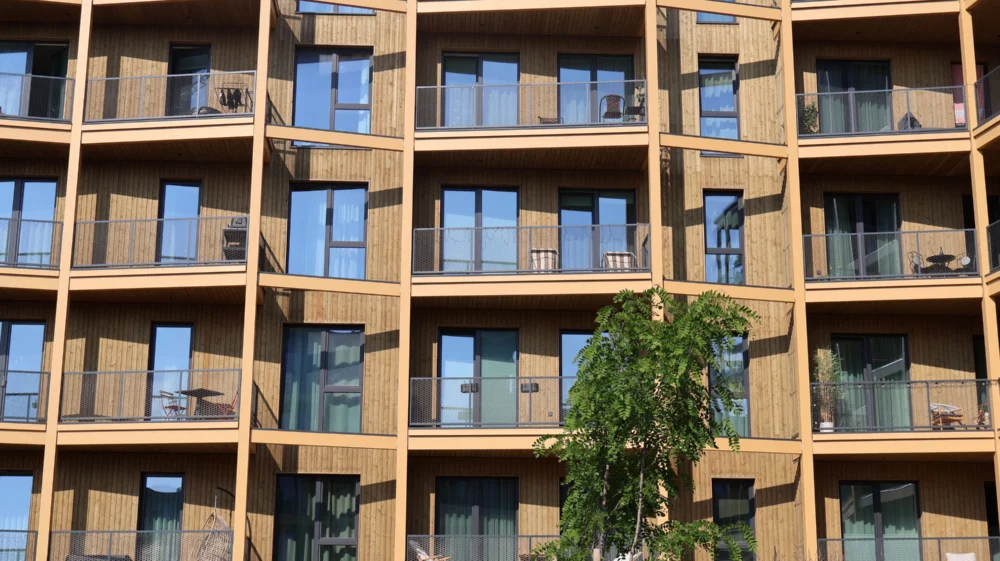
Project / The project develops a national street space standard with uniform quality requirements for liveable, safe, accessible and sustainable urban space in Estonia.
Journal article / The authors argue that monitoring and evaluation for nature-based solutions (NBS) should be treated as a collective learning process.
Journal article / The authors present an African perspective on the Angera Declaration: a methane action statement signed by over 150 scientists around the world.