Photo: Erol Ahmed / Unsplash
How can we meet the nutritional needs and expectations of a growing world population? And how do we do it without compromising long-term sustainability? SEI research explores the transition to sustainable food and agricultural systems.
991 results / 82 of 111 pages
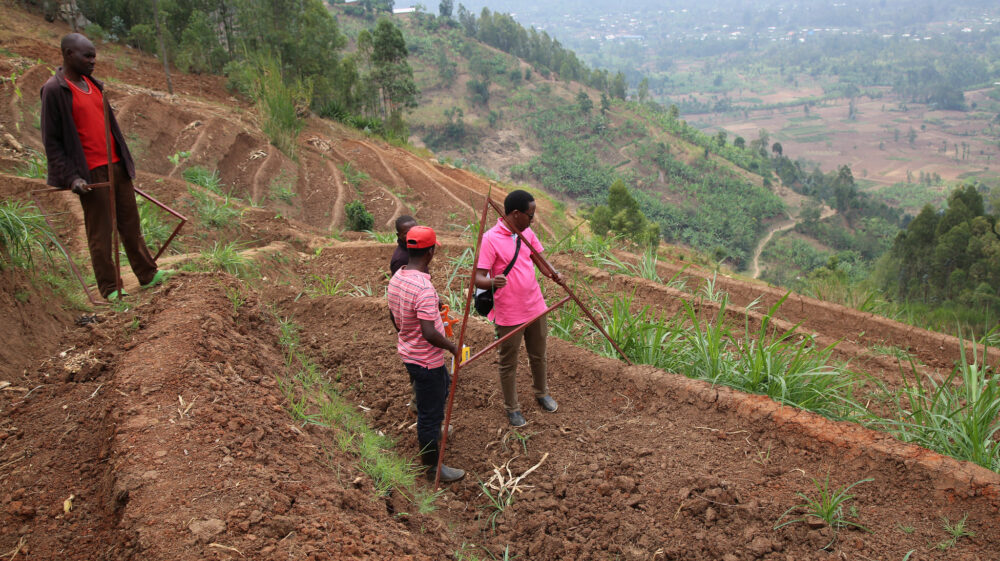
SEI brief / Rwanda aims to become a middle-income country by 2020 - the major challenge is how to translate national priorities and strategies into local actions

Other publication
Journal article / This article presents the findings of a systematic review showing that reduced tillage increases soil carbon storage, but only in upper soil levels.
Journal article / No- and low-tillage agriculture improve soil carbon storage, but effects below the upper layer are often overestimated, according to this study.
Perspective / Are consumers aware of the full environmental impact their food has made throughout its production?
Initiative / This initiative aims to guide decision-makers towards more cohesive and constructive governance of bioeconomy pathways, with a focus on the Global South.
Perspective / Sarah Dickin introduces a research project that hopes to develop an index of empowerment to use in water and sanitation interventions.
Feature / The BONUS RETURN project is offering pre-commercialization support for the best ideas for reducing nutrient and carbon emissions and productive reuse.
SEI report / Sediment carriage and deposition in the Mekong River have been altered in part by infrastructure development, riverbed mining and climate change.