Photo: SEI
Around 2.4 billion people use biomass fuels - wood, charcoal and animal dung - for their domestic energy needs. These are typically burned in inefficient stoves or on open fires, with serious consequences for health and the environment. SEI identifies and designs actions to help households transition to cleaner technologies and energy sources.
258 results / 22 of 29 pages
Press release / The World Health Organization estimates that millions of people die every year from lung and heart disease caused by cooking with solid fuels.
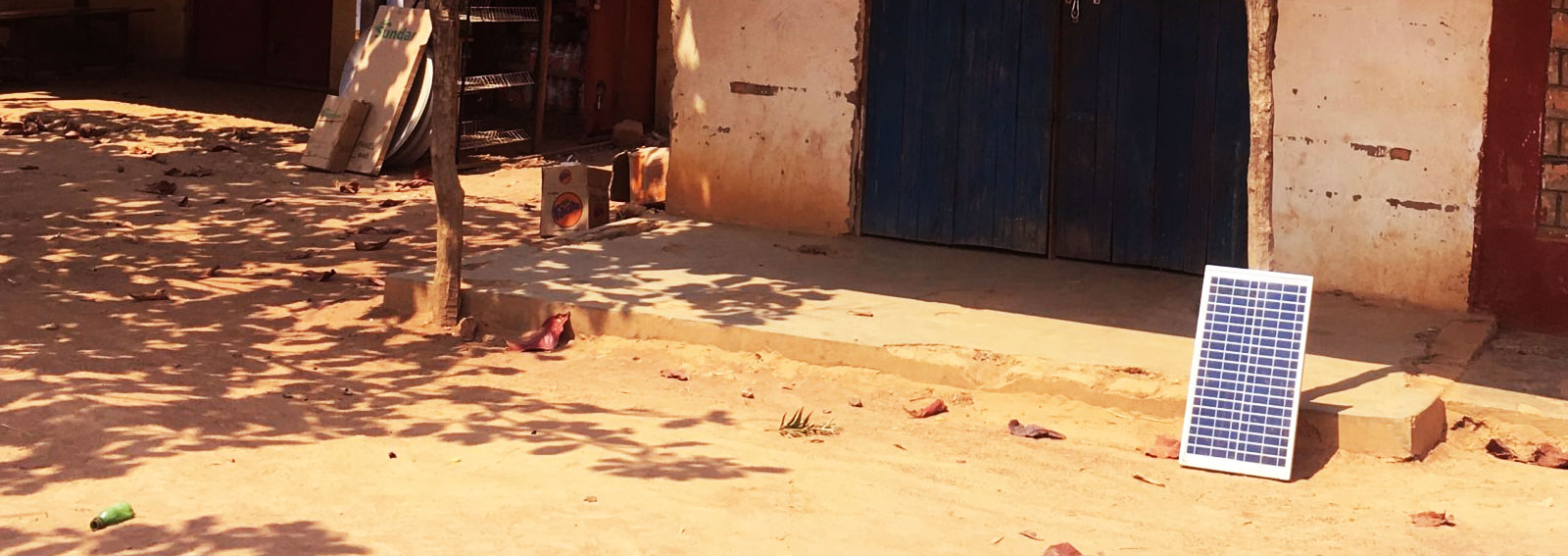
Feature / Kalenge, a village northwest of Tanzania, is unelectrified; its households have no connections to a central or local power grid.
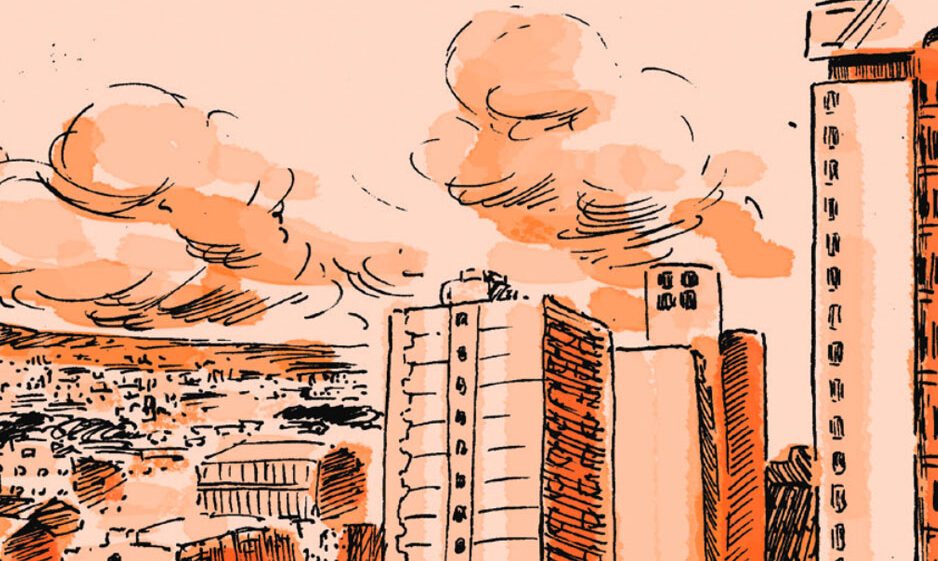
Feature / This new network will engage with communities in Nairobi using theatre, visual arts, mobile phones, games, story-telling and music.
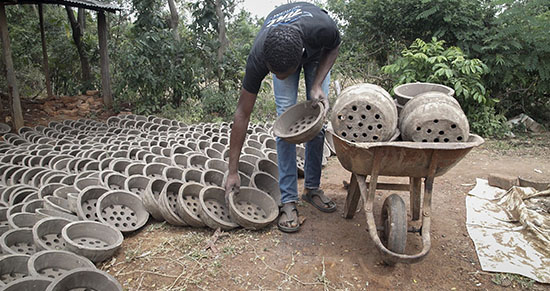
Journal article / After decades of programmes, there is a need to better understand if clean cookstoves are really transforming household energy use, and if not why not.
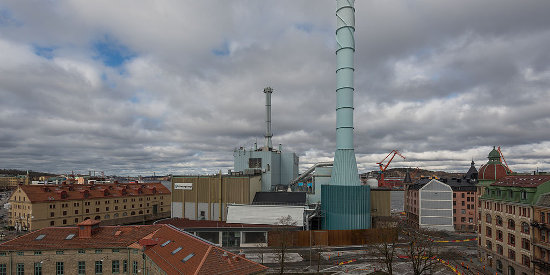
SEI brief / This policy brief highlights the successes and challenges Sweden's heat energy system faces as it moves towards a low carbon energy system.
Journal article / Using the multi-level perspective (MLP), this paper assesses to what degree the sociotechnical regime in Sweden's heat-energy system is stable and locked-in
Other publication / Key findings from recent SEI research projects around the world focused on gender issues in the context of development and sustainability.
Journal article / This article presents the first global assessment of the association between preterm births and exposure to ambient particulate matter (PM2.5) air pollution.
Project / Towards healthy communities: Citizen science for improved air quality in Nairobi and Addis Ababa is a project addressing health problems from air pollution.