Photo: MD Duran / Unsplash
Technical "solutions" for human health or the environment introduced through development interventions, such as clean cookstoves, often fail to take hold because people never truly embrace them. SEI explores individual and household behaviour to better understand how and why people take up new technologies.
380 results / 22 of 43 pages
Feature / Recognizing and including waste pickers as formal workers is critical to Thailand achieving success with recycling targets and the circular economy.
SEI brief / This brief highlights that companies are aware of circular practices for economic and environmental benefits, but lack the necessary support to transition.
Perspective / Are corporate carbon offsets viable to reach net-zero emissions? SEI Senior Scientist Derik Broekhoff argues that we should change the narrative. Here is why.
Media coverage / The problematic state of plastic systems has received a great deal of attention and is particularly challenging in Southeast Asia, creating a growing obstacle.
Project / This project aims to develop guidelines for Nordic municipalities to quantify consumption-based emissions and sinks, and draft road maps for climate neutrality.
SEI brief / This discussion brief explains how climate change and natural hazards in Bosnia and Herzegovina are related to gender inequality, social inequity and poverty.
SEI report / This policy report explores the interactions between the environment and issues related to gender equality, social equity and poverty in Bosnia and Herzegovina.
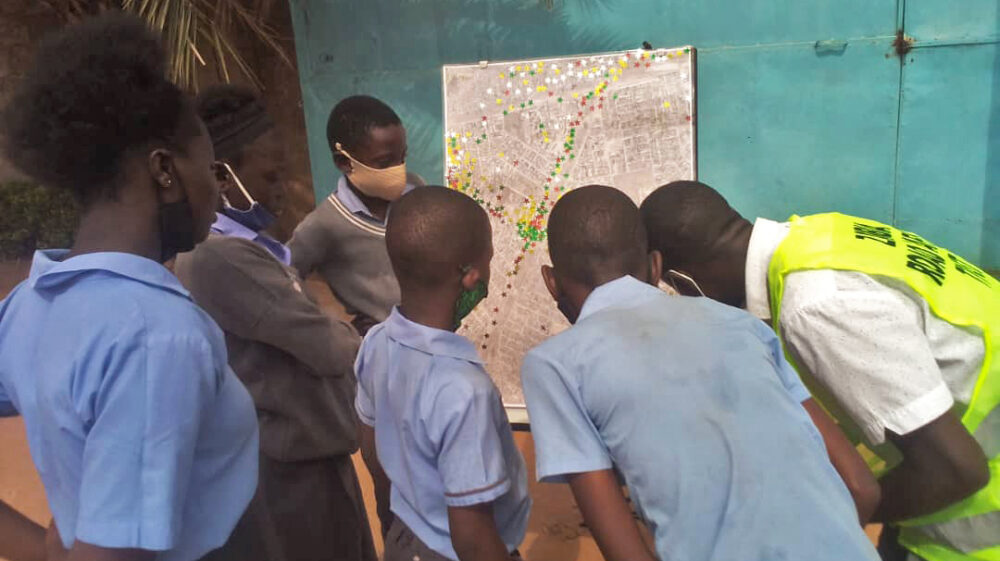
Past event / In this INTALInC webinar, experts explore promising approaches aimed at overcoming exclusion in East African urban transport planning.
Past event / This webinar will share preliminary findings of ongoing SEI studies on equitable mobility and inclusive climate resilient transport planning in Africa.