Photo: MD Duran / Unsplash
Technical "solutions" for human health or the environment introduced through development interventions, such as clean cookstoves, often fail to take hold because people never truly embrace them. SEI explores individual and household behaviour to better understand how and why people take up new technologies.
380 results / 28 of 43 pages
Project / SweDev connects development researchers in Sweden to strengthen and promote synergies within the development research community.
SEI report / The overarching aim of the CANDI project is to increase the uptake of food with lower environmental impacts. Get the findings from its first phase.
Past event / Welcome to an interactive seminar to discuss the future direction of design within the research for sustainable development.
Perspective / How can we innovate at scale while tailoring to the unique features of every community? You can do it with our new behaviour-based approach.
Past event / How can we adapt the economic system to become circular? Attend online or in person on Dec. 11 to hear what is required from political leadership and policy.
Past event / Can countries integrate actions to mitigate climate change with solutions to public health challenges, like air pollution whilst boosting NDC goals?
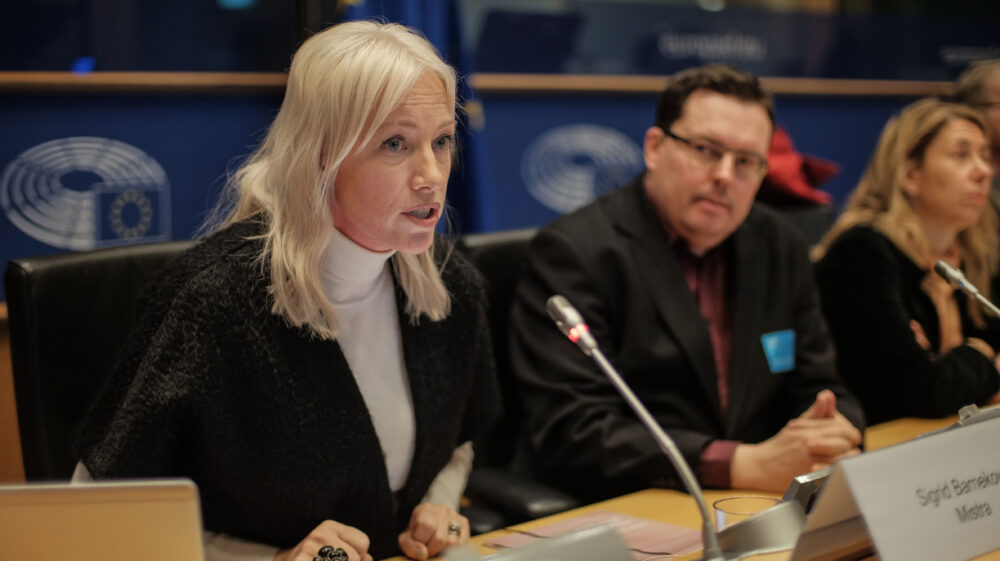
Media advisory / Mistra, SEI and IEEP are proud to announce a policy dialogue on solutions for advancing the European circular economy through the European Green Deal.
Project / This project seeks to understand tensions in future consumption patterns in Sweden to ensure a fair transition to a fossil-free welfare society.
SEI brief / What's needed to improve the functionality and effectiveness of the national CHCs programme?