Photo: chuttersnap / Unsplash
More than 65% of the world's population are projected to live in urban areas by 2050, with major implications resource use, energy, water and sanitation, and health and well-being. At the same time urbanization can bring benefits, especially efficiency gains. SEI examines these challenges in the round to advance sustainable urbanization.
631 results / 14 of 71 pages
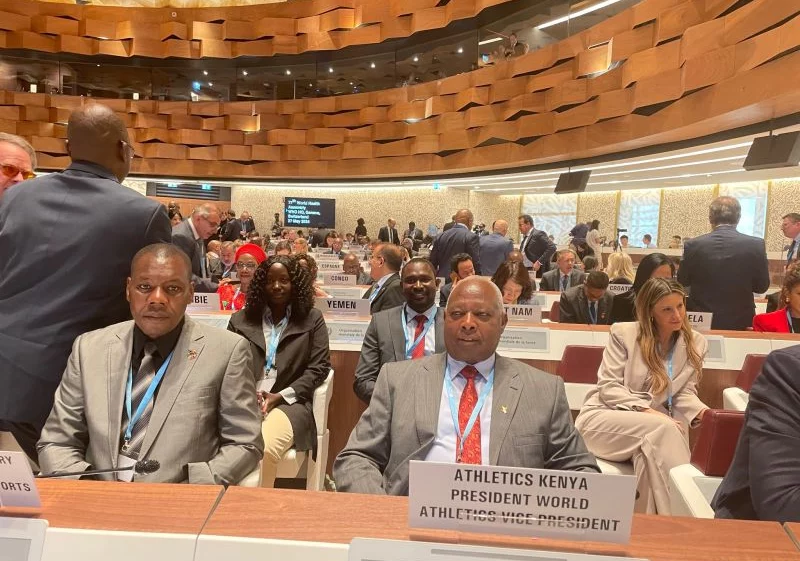
Media coverage / SEI and UNEP have been working with sports federations across Africa to improve air quality monitoring by installing sensors.
Past event / Sarah West and others explored how research can support evidence for better ventilation, including our work in UK schools. Watch the recording.
Journal article / For human health and environmental quality, planning for "invisible" environmental functions is just as important as including "visible" environmental features.
Perspective / On World Ventilate Day 2024, SEI researcher Luke Gooding emphasizes the importance of ventilation during retrofitting to meet net-zero goals.
Past event / This event will highlight the growing crisis of land subsidence in Asia-Pacific cities, driven by over-extraction of water resources amidst rapid urbanization.
Past event / At the 2024 World Urban Forum, SEI York and partners will strengthen stakeholders capacity on inclusive and climate-resilient urban transportation in Africa.
Past event / SEI York researchers are hosting three events as part of this month-long festival which showcases and celebrates the work of environment groups in the city.
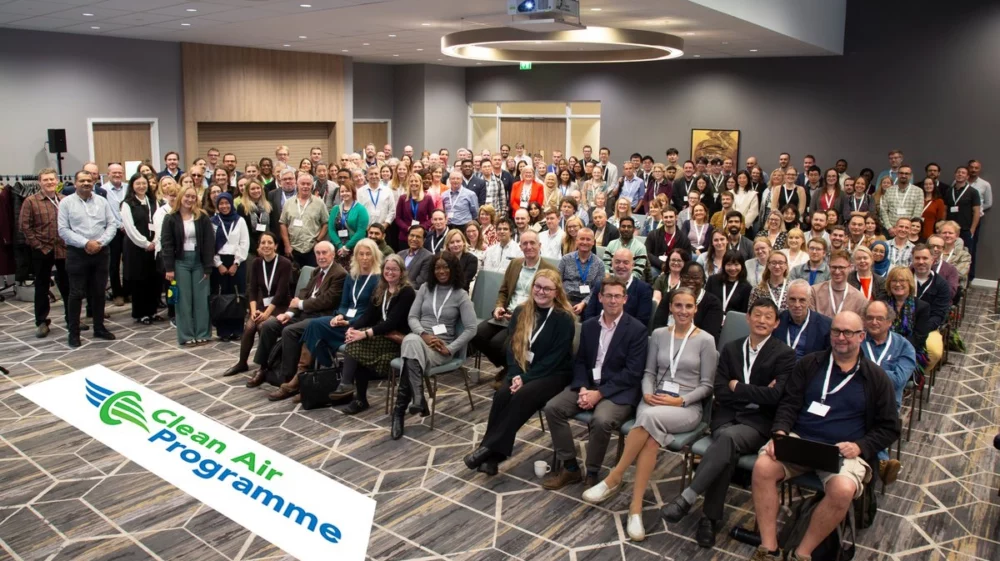
Feature / Discover practical steps to reduce exposure and improve indoor air quality as shared by the INGENIOUS project at the UK Clean Air Conference.
Past event / Read findings and reflections from our citizen science air quality monitoring in UK schools as presented at the UKRI/Met Office Clean Air Programme Conference.