Photo: chuttersnap / Unsplash
More than 65% of the world's population are projected to live in urban areas by 2050, with major implications resource use, energy, water and sanitation, and health and well-being. At the same time urbanization can bring benefits, especially efficiency gains. SEI examines these challenges in the round to advance sustainable urbanization.
631 results / 33 of 71 pages
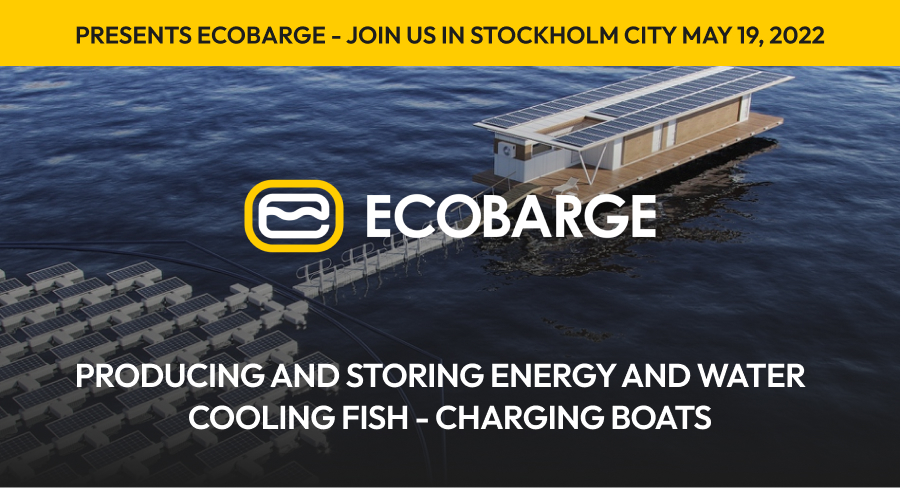
Past event / Learn more about project opportunities to use and build floating platforms for sustainably storing water and energy.
Perspective / How can the steel and cement industry reach net-zero by 2050? The Industrial Deep Decarbonization Initiative by UNIDO is driving industrial climate action.
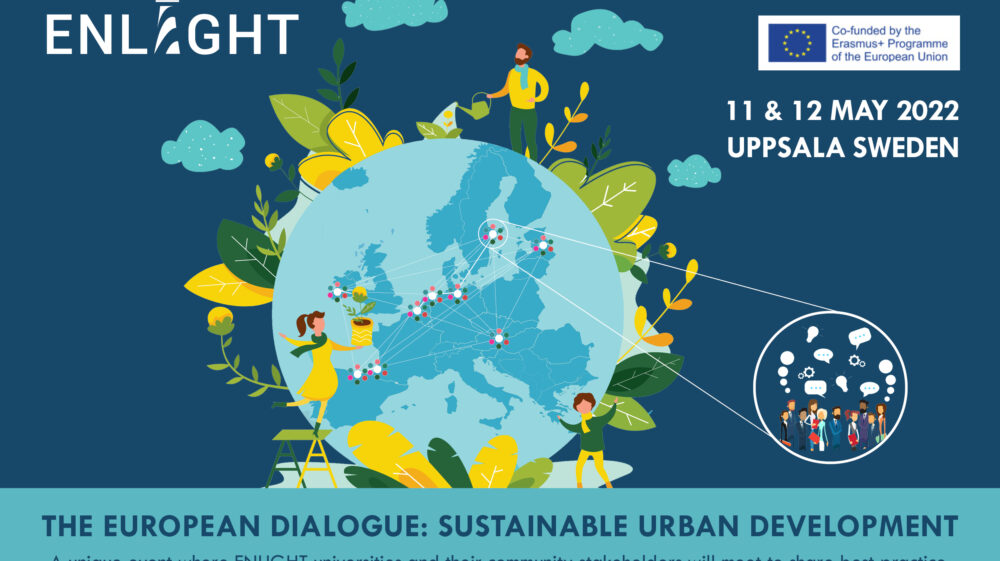
Past event / Take part in the ENLIGHT European Dialogue 2022 from 11–12 May 2022 in Uppsala, Sweden, with SEI's Fedra Vanhuyse a keynote speaker on sustainable cities.
Feature / The report provides insight into the technologies that can be deployed at city level to reach climate neutrality, namely to improve efficiency and store carbon.
Journal article / This paper addressed how poor ventilation and polluting cooking fuels in low-income homes cause high exposure, yet relevant global studies remain limited.
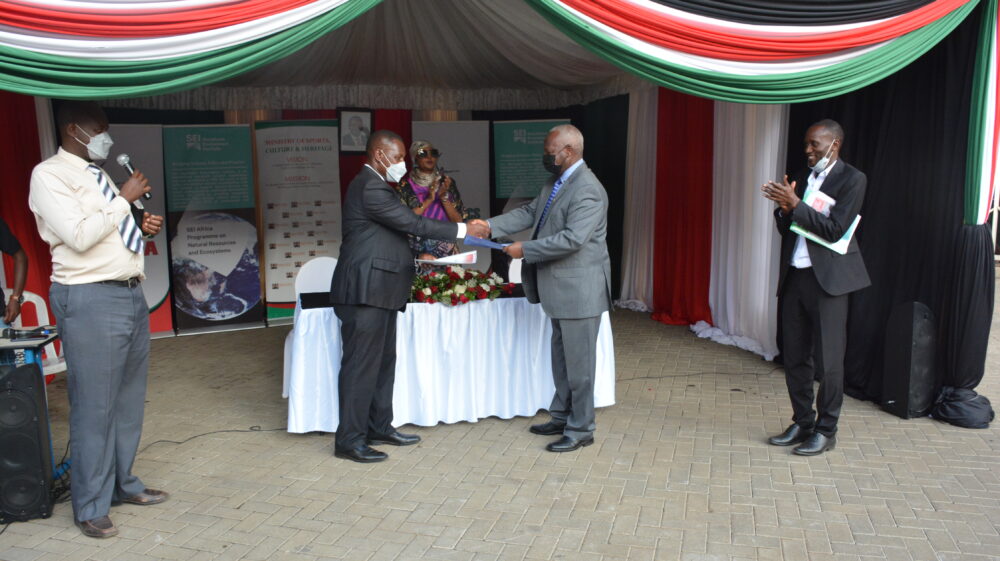
Media coverage / In a period of heightened climate action globally, SEI and Athletics Kenya signed a memorandum of understanding to create awareness on clean air for sports.
Project / This transdisciplinary network aims to exchange knowledge and experiences and to develop concepts in applying a One Health approach to WASH.
Project / This project aims to create a spatial planning development strategy and an action plan as well as put in place institutional arrangements in Estonia.
SEI report / This report provides a coherent picture of SEI-wide engagement on the circular economy and offers future directions for the research agenda.