Photo: chuttersnap / Unsplash
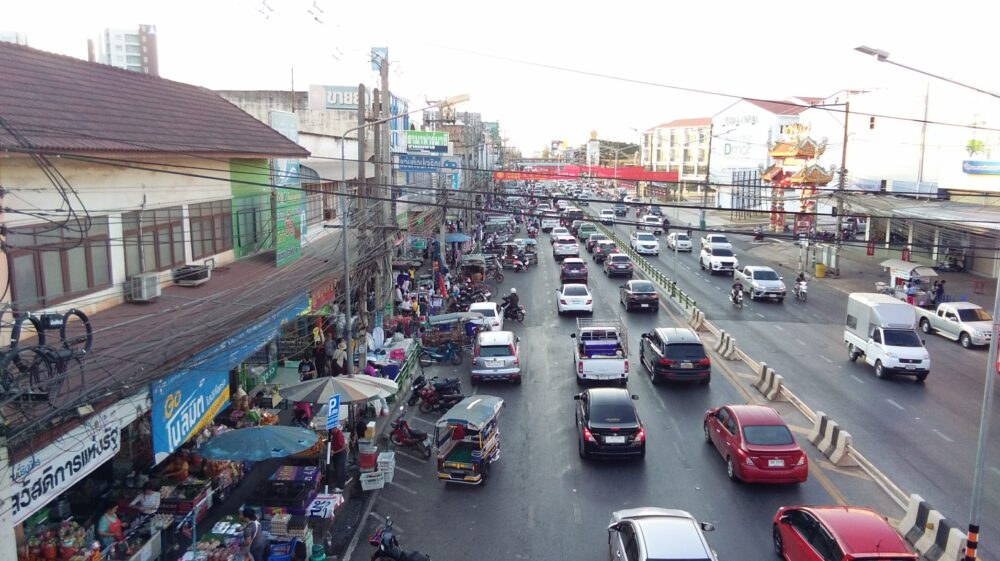
More than 65% of the world's population are projected to live in urban areas by 2050, with major implications resource use, energy, water and sanitation, and health and well-being. At the same time urbanization can bring benefits, especially efficiency gains. SEI examines these challenges in the round to advance sustainable urbanization.
631 results / 41 of 71 pages
SEI brief / This brief highlights the potential for upscaling gypsum use in the Baltic Sea Region as a promising component of Baltic Sea protection actions.
Journal article / This article explores the challenges of "spillovers" when it comes to city-level SDG strategies and how they can be better accounted for.
Past event / The African Sanitation Policy Guidelines (ASPG) will enable African states to develop functional sanitation and hygiene policies.
Journal article / Urban sustainability is governed beyond the urban scale through trans-local networks and assemblages of actors and institutions.
Feature / To celebrate World Environment Day, nine SEI researchers reflect on how their work is driving ecosystem restoration.
Feature / This fact sheet provides insights into the importance of sustainable cities and gives some practical examples of what cities can do to become more sustainable.
Other publication / Understanding the challenges of inclusivity and climate resilience in transport planning in Africa: results of a needs assessment in 4 countries.
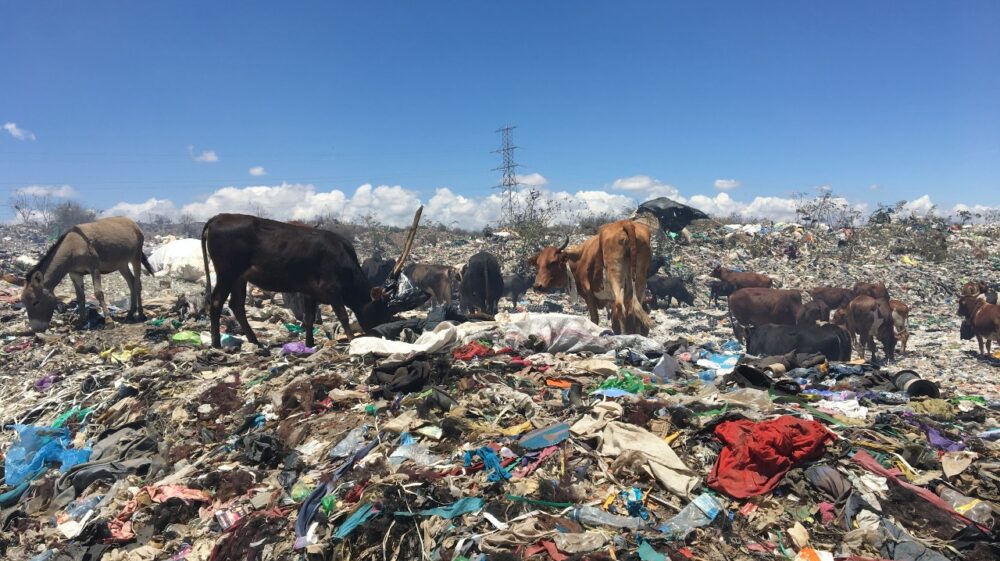
Feature / SEI has taken the first step towards creating scenarios and roadmaps for a circular economy based on organic waste resources in Naivasha.
Past event / Video and poster presented at the ClimateExp0 conference for researchers showcasing recent international research relevant to decisions being made at COP26.