Photo: chuttersnap / Unsplash
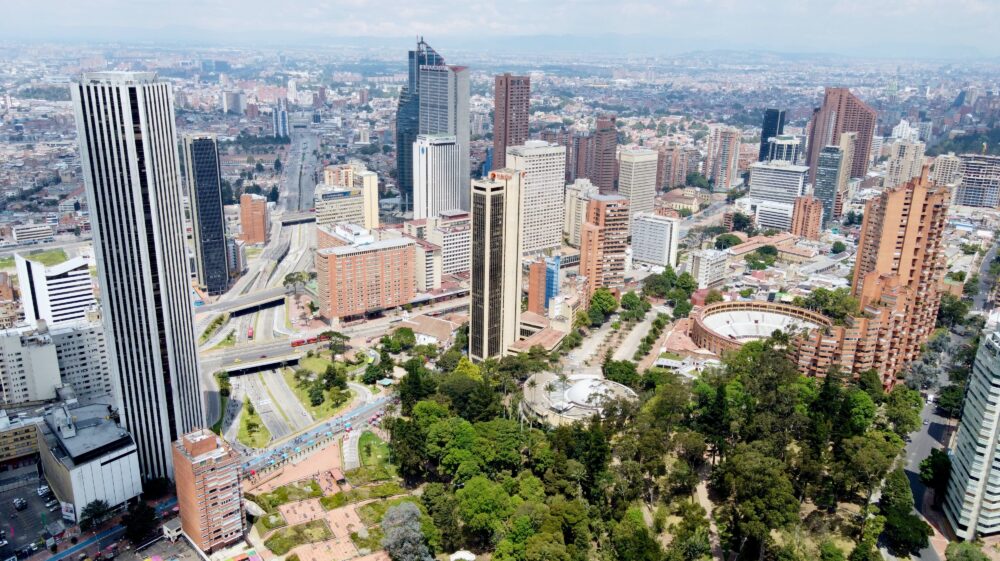
More than 65% of the world's population are projected to live in urban areas by 2050, with major implications resource use, energy, water and sanitation, and health and well-being. At the same time urbanization can bring benefits, especially efficiency gains. SEI examines these challenges in the round to advance sustainable urbanization.
631 results / 39 of 71 pages
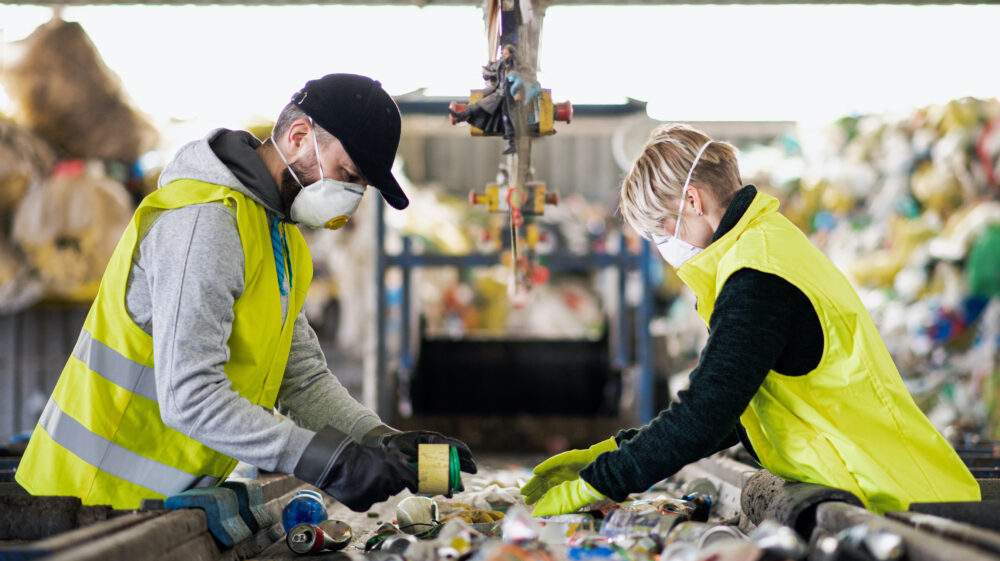
SEI brief / This discussion brief explains how waste management in Bosnia and Herzegovina is deeply intertwined with gender inequality and social inequity.
Feature / SEI is working with partners to develop policy instruments for air quality management informed by scientific assessments and air quality monitoring in Kenya.
Feature / Learn more about what SEI is doing to support healthy air for healthy people and a healthy planet – #HealthyAirHealthyPlanet
Project / This project investigates air pollutants inside homes in the city of Bradford, UK: their sources, interactions and health effects on those living there.
Perspective / The source-to-sea approach is necessary to address the water and climate crisis and strong cooperation between different actors is key.
Feature / SEI Africa has embarked on a plan to deploy air quality sensors in the town of Nakuru in Kenya's Rift Valley to measure the quality of health for residents.
Perspective / This perspective highlights three major solutions to address the challenges faced by low-income and vulnerable transport users in African cities.
Other publication / The paper explores the potential of EbA interventions to deliver climate just outcomes for urban areas in the Global South.
Past event / Join us to co-create a tangible visualization tool to enable more holistic urban water management and advocate for the human right to water and sanitation.