Photo: chuttersnap / Unsplash
More than 65% of the world's population are projected to live in urban areas by 2050, with major implications resource use, energy, water and sanitation, and health and well-being. At the same time urbanization can bring benefits, especially efficiency gains. SEI examines these challenges in the round to advance sustainable urbanization.
631 results / 38 of 71 pages
Past event / In this session at the Innovate4Cities conference, experts discuss benefits and challenges that cities face when joining research and innovation projects.
Journal article / A systematic review of the evidence for outdoor nature-based interventions to improve adult mental health, identifying effective types, format and dose.
Feature / Ahead of the COP26 climate summit in late October, researchers are calling for political leaders to consider the negative health effects of climate change.
Feature / For World Habitat Day 2021, SEI researchers reflect on the roles that cities and the circular economy play in accelerating urban action for a carbon-free world.
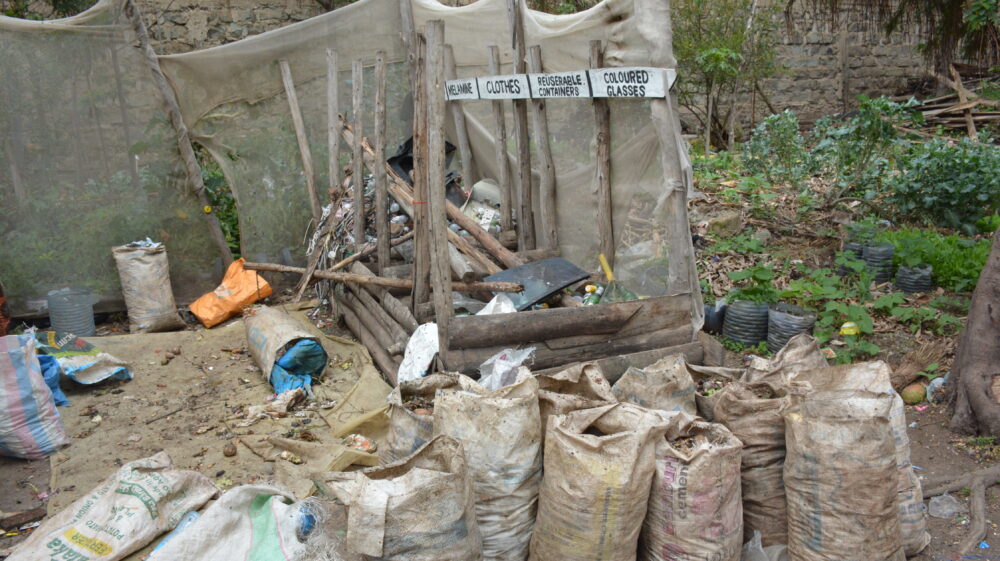
Project / Study generated critical knowledge to inform upscaling of investments in small-scale organic waste processing ventures in low- and-middle income countries
Feature / Learn more about what SEI is doing to support sustainable cities for the health and well-being of their inhabitants and the planet – #UrbanOctober
Journal article / In this journal article, researchers from SEI York discuss climate change mitigation and sustainable development planning in Nigeria.
Past event / SEI's Johan Kuylenstierna will speak at a panel discussion about the performance and challenges of air quality policy in the Seoul Metropolitan Area.
Other publication / This brief summarises the current research on the impact of urban air pollution on children in low- and middle-income countries.