Photo: chuttersnap / Unsplash
More than 65% of the world's population are projected to live in urban areas by 2050, with major implications resource use, energy, water and sanitation, and health and well-being. At the same time urbanization can bring benefits, especially efficiency gains. SEI examines these challenges in the round to advance sustainable urbanization.
631 results / 40 of 71 pages
Past event / This session explores how best to implement urban sanitation projects that maximize access through resilient, low-emission systems.
Media coverage / World Athletics builds on SEI's air pollution research to introduce Phase 2 of their air quality project: a new method of monitoring air pollution in Nairobi.
Project / Novel methods to map the social and cultural value of trees to inform policy decisions regarding urban treescapes.
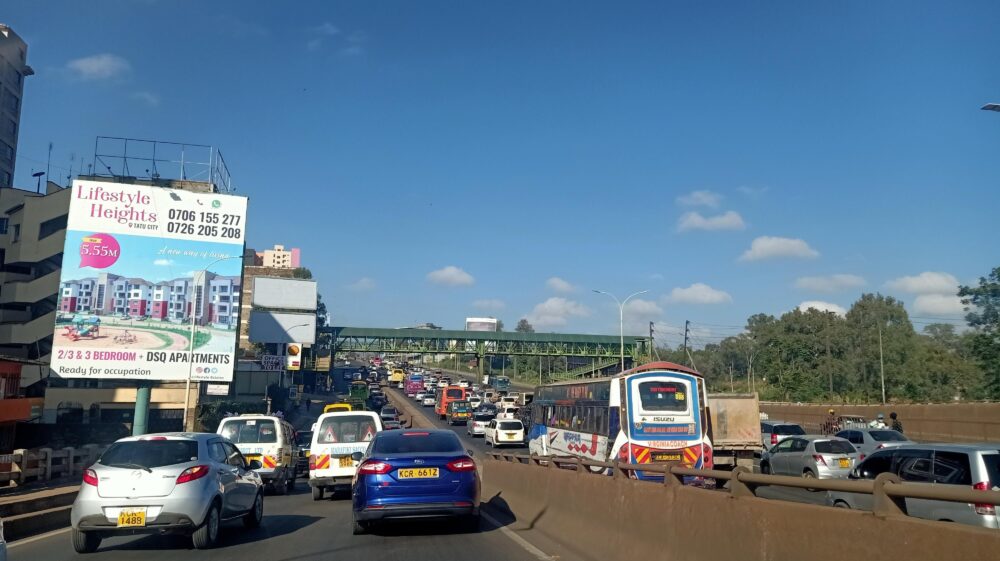
Feature / In cities, congestion increases automobile emissions, which ultimately degrades ambient air quality.
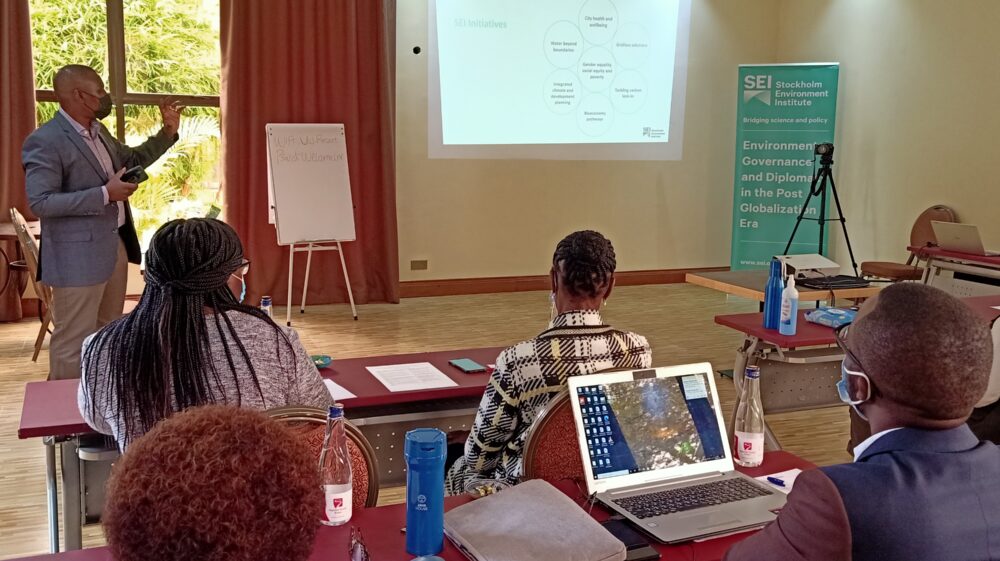
Feature / The Ministry of Environment and Forestry joined with SEI to launch the Supporting National Action Planning on Short-Lived Climate Pollutants in Kenya project.
Project / On behalf of CCAC, UNEP is cooperating with SEI to support the Ministry of Environment and Forestry of Kenya under SNAP.
Project / SEI has provided forecasting and long-term water supply projections for Colorado Springs Utilities for nearly a decade.
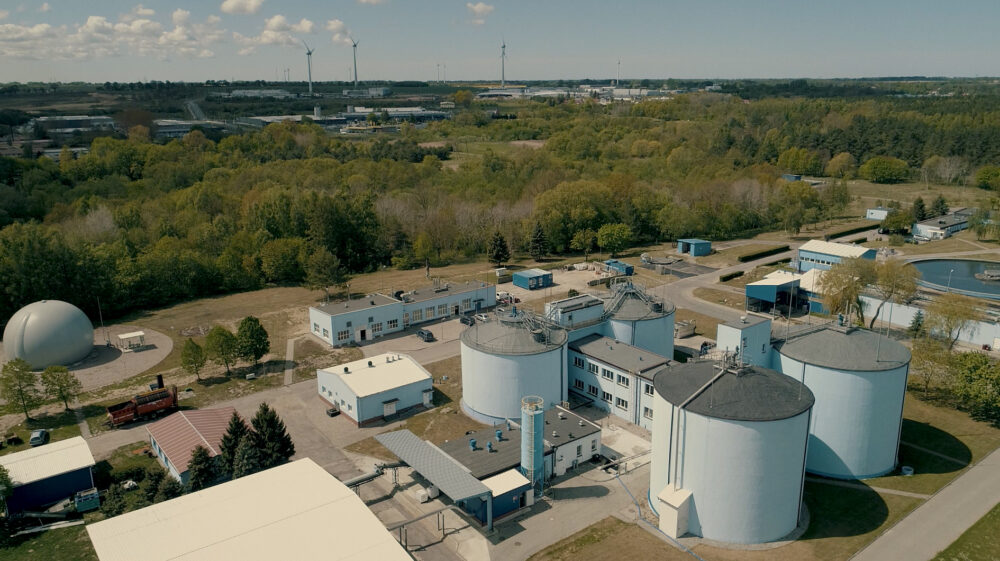
SEI brief / This brief looks at how the Słupsk Bioenergy Cluster serves as a living laboratory for small cities seeking to transition to a circular economy model.
SEI brief / This brief examines the impact of national policy directives on speeding up the circular economy transition, and their implications on cities such as Uppsala.