Photo: chuttersnap / Unsplash
More than 65% of the world's population are projected to live in urban areas by 2050, with major implications resource use, energy, water and sanitation, and health and well-being. At the same time urbanization can bring benefits, especially efficiency gains. SEI examines these challenges in the round to advance sustainable urbanization.
631 results / 44 of 71 pages
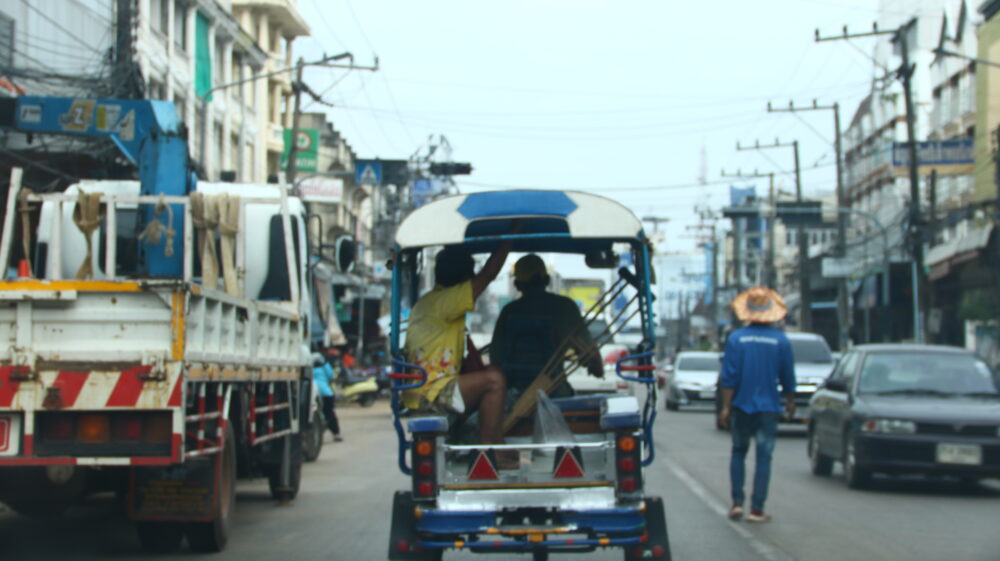
Feature / SEI is partnering with local people in the city of Udon Thani in northeast Thailand to find creative ways to improve the urban environment.
Other publication / This paper outlines the policy approaches that governments can take to drive decarbonisation and ensure affordable and sustainable energy access for all.
Feature / A new paper from the Coalition for Urban Transitions outlines the vital role of national and city governments in driving decarbonisation of the power sector.
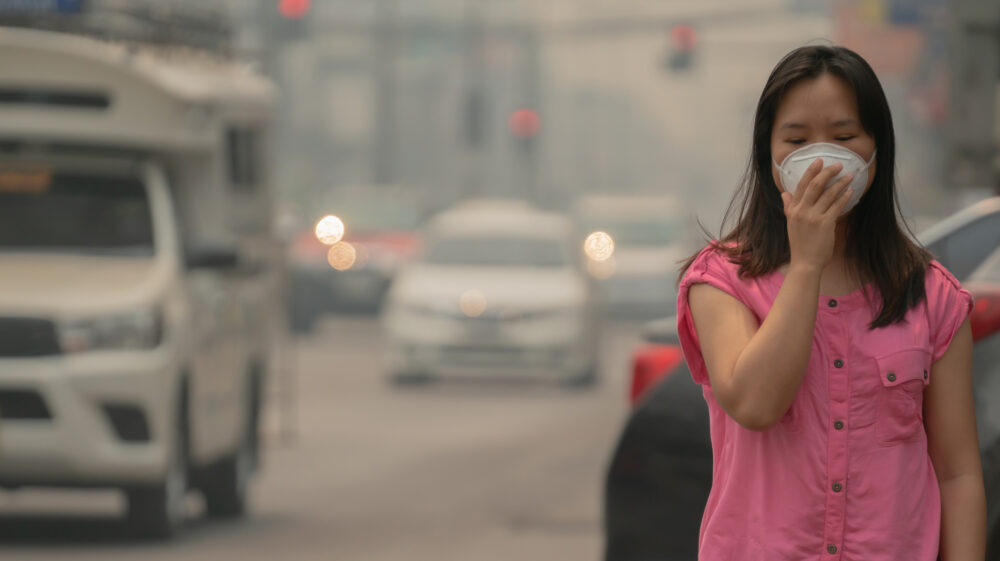
SEI brief / This policy brief outlines some of the air pollution policies in place in Thailand, as well as key barriers to, and opportunities for, their enforcement.
Past event / SEI researchers are presenting at The Nature of Cities Festival
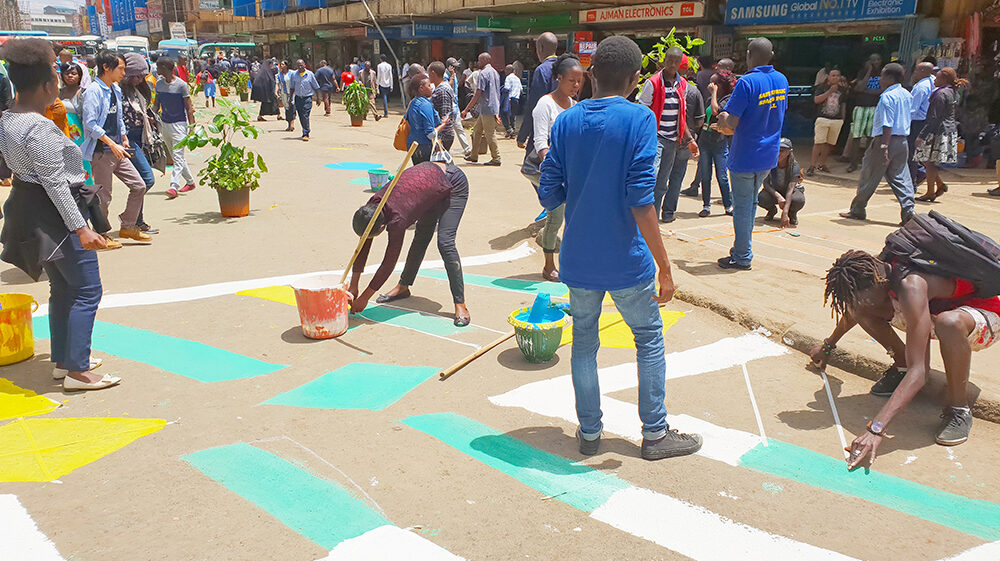
Journal article / Using creative engagement methods can transform city planning and widen inclusion.
SEI working paper / Air pollution is a key issue in Thailand, addressed in many laws and plans. Why then, does enforcement remain such a challenge and how can it be ensured?
Past event / This event will explore decentralized systems and business models, and how to apply them in areas in need of clean water and sanitation
Perspective / SEI's Ploy Achakulwisut and Michael Boyland reflect on a year of converging crises, from Covid-19 to air pollution and climate change.