A clean, affordable, reliable supply of energy for basic needs is widely seen as a necessary for lifting people out of poverty and improving well-being. SEI examines how energy needs for human and economic development can be met in a way that is compatible with long-term sustainable development.
308 results / 16 of 35 pages
Past event / Given the turbulent times and global challenges, SEI Tallinn's 30th anniversary celebration focused on building resilience through sustainability.
Project / SEI works with research institutes to assess the impact of pollutants, besides CO₂, that drive climate change, and to develop climate change mitigation options.
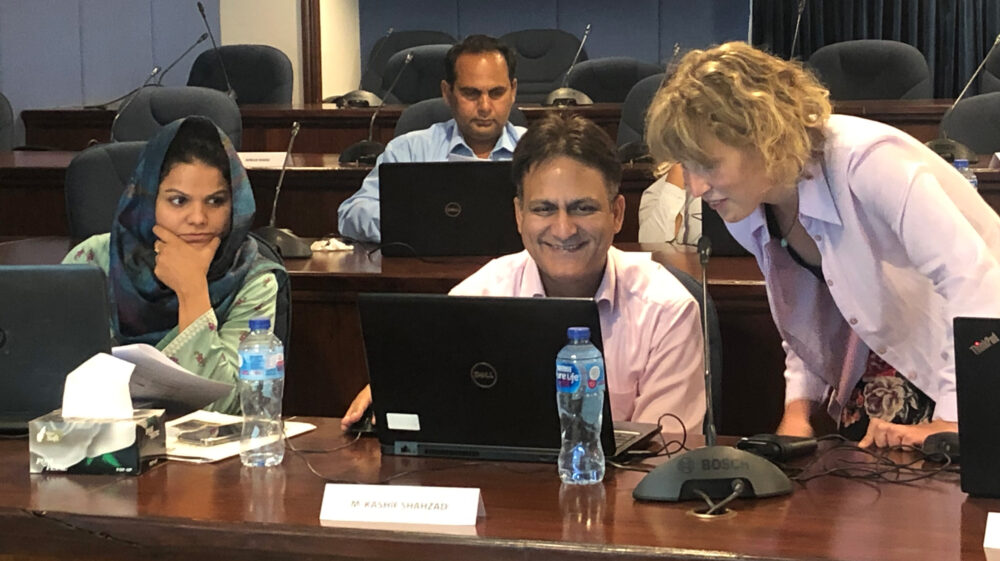
Feature / SEI researchers trained energy sector practitioners on how to use LEAP in Islamabad, Pakistan, as part of the nation's effort to tackle its energy crisis.
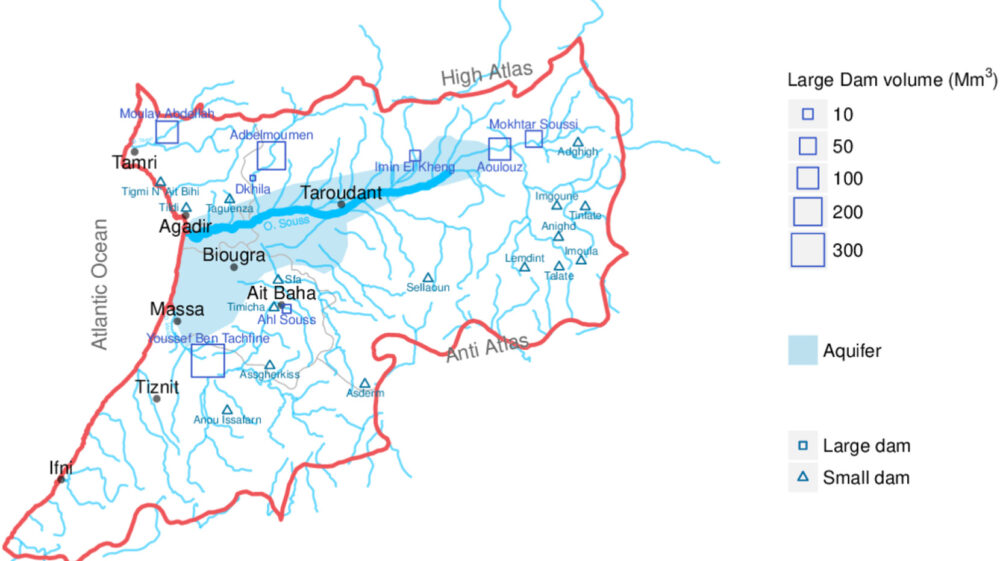
Journal article / SEI scientists used a stakeholder-driven method to explore solutions to a Moroccan river basin's water scarcity through the lens of the water-energy-food nexus.
Other publication / This case study explores whether participatory design can support facilitating community engagement around the challenge of energy access.
Perspective / Off-grid solutions that are less reliant on century-old networks and grids and foster resilience are taking shape in development and humanitarian contexts.
Other publication / The Africa Energy Outlook 2022 maps a new pathway to show how Africa’s collective economic, developmental and environmental goals can best be achieved.
Journal article / This study explains the essence of China's renewable energy development and seeks paths to enhance the adaptability of the power grid system.
Journal article / This study focuses on the current renewable energy developments in La Guajira, Colombia, where extractive industries have dominated the economy.