Photo: Trisha Downing / Unsplash
Today’s global economy is characterized by often long, complex supply chains that bring commodities, goods and services to consumers, and economic benefits to producers. Applying innovative tools and analytical approaches, SEI explores the sustainability implications and potentials of global supply chains and broader consumption-to-production systems.
437 results / 9 of 49 pages
Other publication / This brief examines the "transboundary climate risks" faced by Nordic countries, and proposes solutions for addressing these risks.
Journal article / Debates over unilateral value chain policies can be informed by a framework for monitoring equity across scales and phases of the policy process.
Journal article / Biodiversity metrics are complementary: research questions and indicator choice must be paired appropriately to draw the most useful conclusions.
Feature / Over the past 10 years, Trase has become a globally recognized source of data and intelligence for addressing deforestation in global supply chains.
SEI working paper / This paper introduces a framework to map risk ownership in global supply chains, helping identify key stakeholders, assets and objectives at risk.
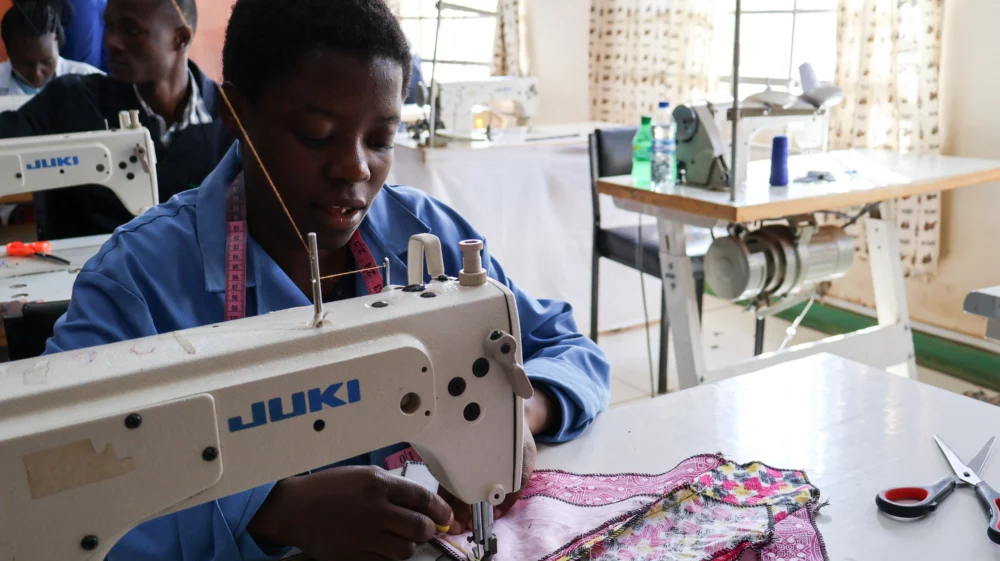
Other publication / This report presents key findings from the mapping of textile waste and fabric leftovers at Rivatex, a textile factory based in Eldoret, Kenya.
Other publication / This report demonstrates how the textile waste and leftovers from the Rivatex factory can be effectively repurposed into new, circular and marketable products.
Feature / SEI Tallinn and partners are transferring value-added upcycling method UPMADE to support the deployment of circular solutions in textile production.
Feature / This International Day of Forests, SEI shares four insights into how forests support food security, climate resilience and sustainable cities.