Below you’ll find the latest research, publications, perspectives and events related to SEI York.
1348 results / 2 of 113 pages
Media advisory / SEI invites journalists to a media briefing where its experts will share their perspectives on key topics ahead of the UN Biodiversity Conference (COP17).
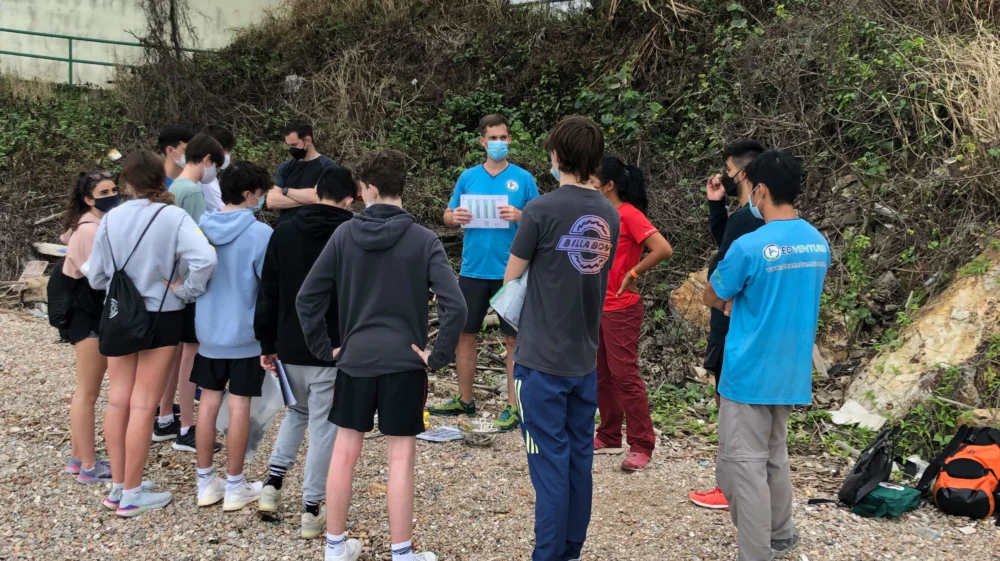
Journal article / Providing students with hands-on nature-based citizen science education can lead to greater frequency and range of pro-environmental behaviours.
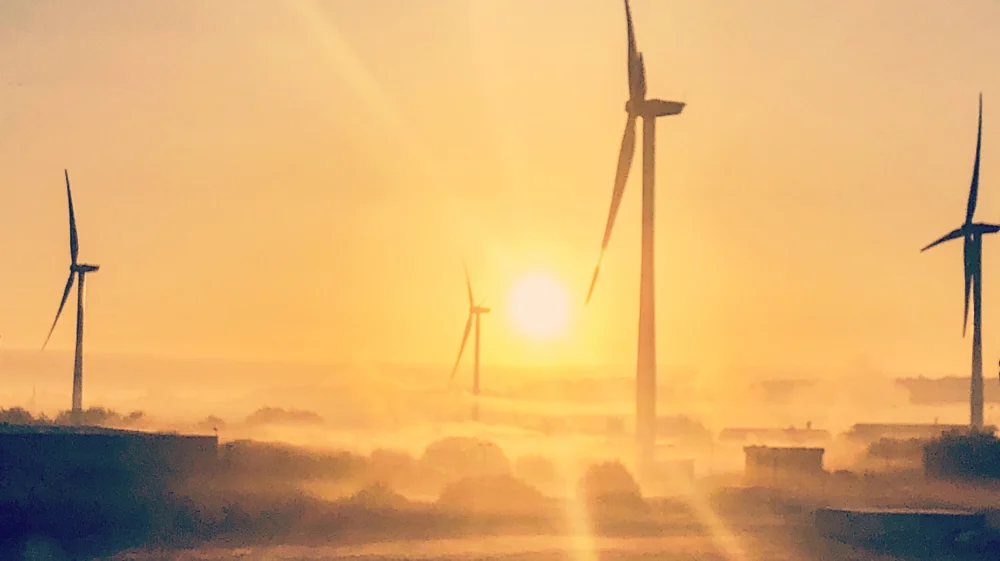
SEI brief / This SEI brief outlines how the UK can address regulatory and other barriers to achieve its ambition to expand community-owned, renewable energy sources.
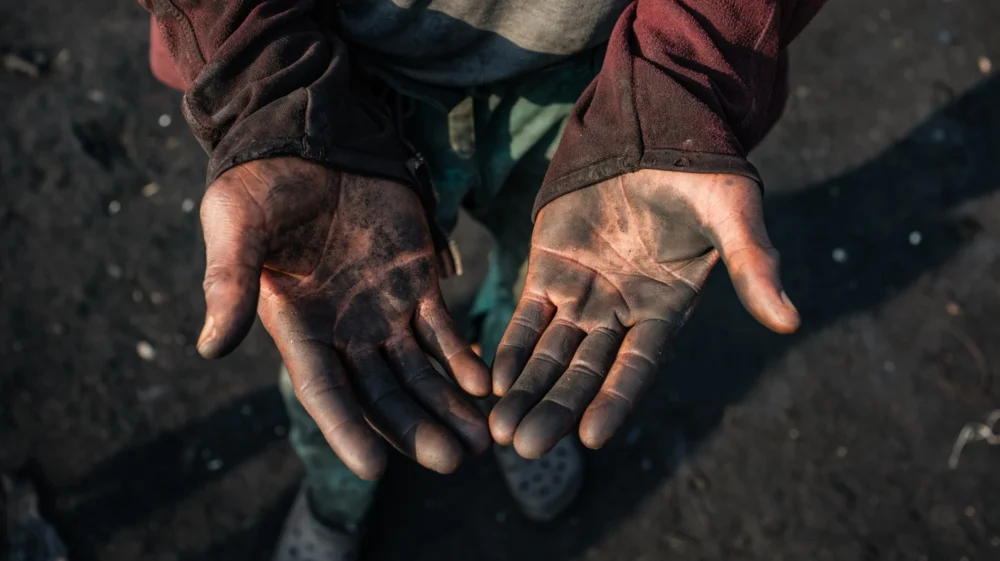
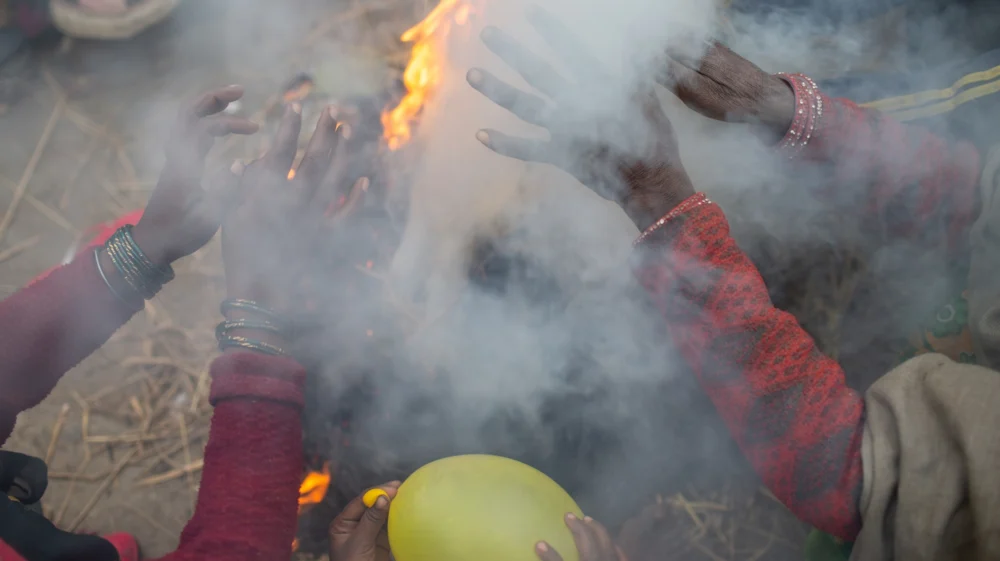
Feature / Discover how air quality research since the 1990s has shaped policy and highlighted the health, economic and social benefits of addressing air pollution.
Journal article / This research examines how changes in population vulnerability and exposure to air pollutants affect global air pollution-related mortality trends.
Feature / SEI answers six key questions about air pollution and business ahead of Climate Week NYC, highlighting reporting, data and why clean air makes economic sense.
Past event / In this first CS Co-labs discussion session we provided a general introduction to citizen science, as we understand it, and facilitated a group discussion.
Other publication / The 2026 global economic assessment for climate and clean air action highlights the costs of inaction. Each year of delay could cost over USD 1.5 trillion.
Other publication / This research highlights the need to treat social viability as a core part of renewable energy planning, investment and implementation.
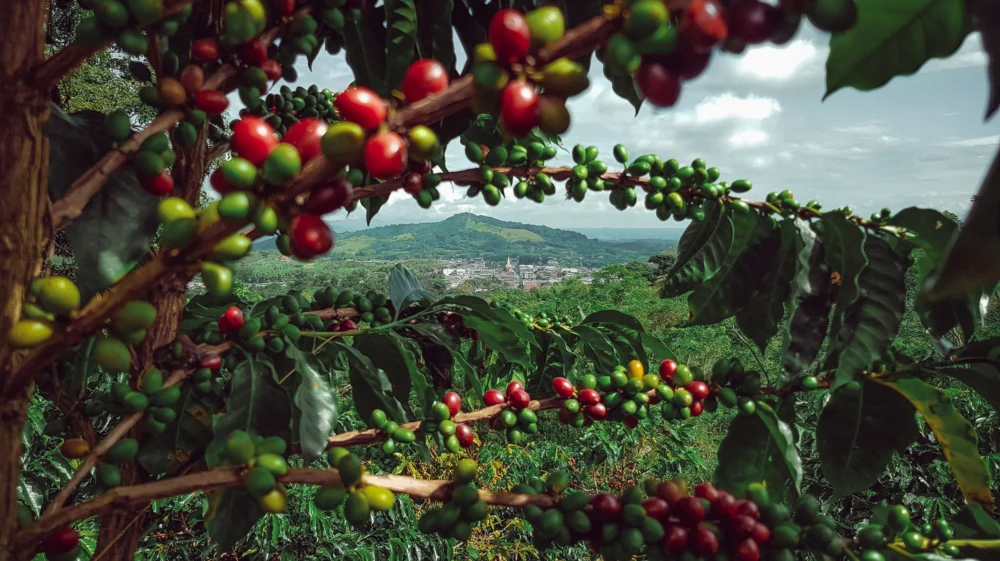
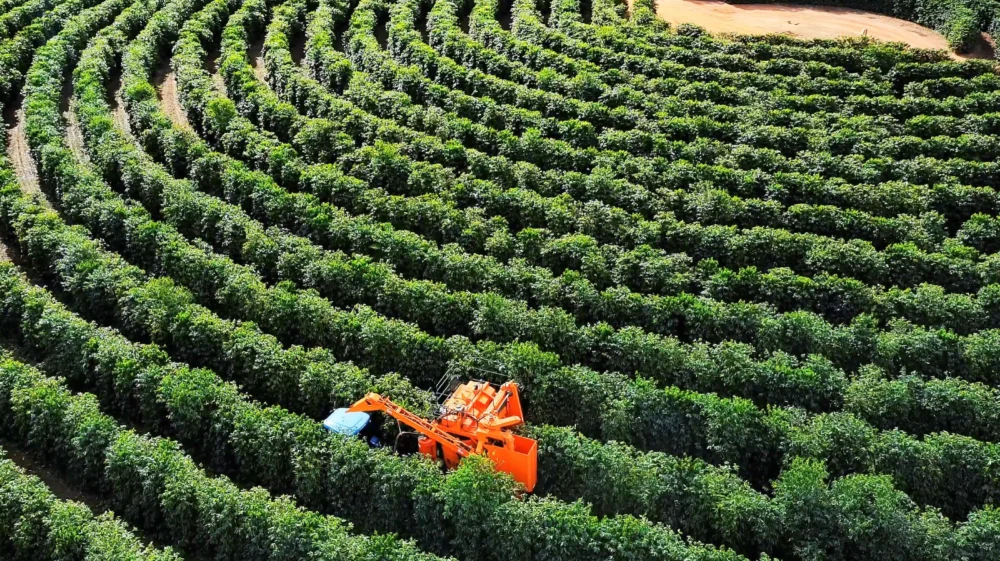
Feature / Trase identifies the leading coffee trading companies and estimate where traders and markets source coffee from within key coffee-producing countries.
Press release / New data from Trase reveals that the majority of the coffee imported globally comes from companies that supply the European market.
Other publication / An open-access Trase dataset mapping global coffee supply chains, including trader information and subnational sourcing patterns.