This project aims to inform East Africa Community (EAC) and European Union (EU) officials about the climate and other sustainability implications of practices by export-oriented agricultural small and medium enterprises (SMEs) in East Africa and identify areas for cooperation to ensure environmental standards and sustainability commitments are met. It draws on networks developed in Africa and the EU during the previous European Climate Foundation (ECF) grant to SEI.
It also builds on the work during that grant on the sustainable trade index evaluation of EU-Africa trade arrangements, including the EU-EAC Economic Partnership Agreement (EPA), which was validated with stakeholders. This workshop is expected to bring together representatives from agricultural SMEs in the EAC and EU and EAC decision-makers and experts, practitioners, researchers, project developers, and NGOs who have directly or indirectly contributed or are well placed to influence the implementation of the findings.
This project explores access to EU markets for East African small-medium enterprises (SMEs) in the agriculture sector and the effect of EU sustainability standards. It continues our efforts under a previous ECF grant to SEI for the Green Trade Network project to identify challenges and opportunities for the region’s trade relationship with the EU as it moves towards more environmentally stringent requirements for market access. Stakeholder discussions at a workshop in Kigali, Rwanda, delivered under SEI’s previous ECF grant, indicated that research and analysis on African exports and EU market access would complement existing efforts focused on sustainable production in the agricultural SME sector.
Africa’s biggest export market is the EU, accounting for 33% of total exports in 2020. While there are still barriers to market access, the East African Community finalized an Economic Partnership Agreement (EPA) with the EU in 2014, but it has been held up as not all EAC member countries have ratified it into national laws. Kenya has ratified the EPA and this year agreed with the EU to pursue an interim agreement with binding commitments on environmental protection, climate, and labour rights. Once agreed, this will provide Kenya with full access to the EU market for its exports in advance of the delayed EPA, provided these sustainability commitments are met.
The trade and sustainability chapters of trade agreements that include such commitments have been given renewed focus in the EU’s Trade and Sustainable Development Action Plan, released on 22 June 2022. This will provide more scope for locally developed approaches and enforcement as well as support by the EU’s development cooperation tools. Agricultural commodities are the region’s largest export to the EU and are likely to be among the focus areas for the trade and sustainability chapters being negotiated by the EU and Kenya.
Workshop’s Objectives
| Session I – Welcome and Introduction | |
| 8:30 – 9:00 CAT | Registration of Participants |
| 9:00 – 9:15 CAT | Opening Remarks
Speaker: Dr. Philip Osano |
| 9:15 – 9:30 CAT | Introduction to the Workshop Objectives and Outputs
Facilitator: Dr. Anderson Kehbila |
| 9:30 – 9:45 | Keynote Address
Speaker: Commissioner Economic Affairs- Mr Leo Ojara Kizito, MEACA Uganda |
| 9:45 – 10:00 CAT | Introduction of Participants
Facilitator: Mr. Muyambi Fortunate |
| 10:00 – 10:30 CAT | Group Photo and Tea/Coffee Break |
| Session II- Presentations and Breakout Sessions | |
| 10:30 – 11:00 CAT
|
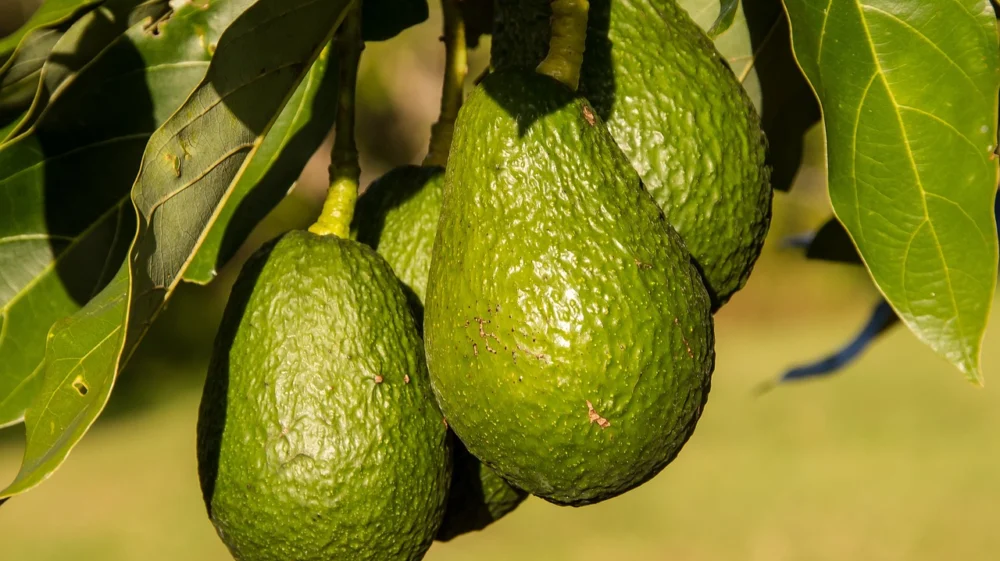
Presentation of project analysis on avocado and coffee value chains in EAC Speaker: Dr. Alphayo Lutta Respondent: Project Coordinator, MARKUP project |
| 11:00 – 13:00 CAT |
Breakout sessions per value chains (Coffee and Avocado). Based on the results of the presentation, group discussions will focus on (1) co-developing practical recommendations to inform sustainable/climate-compatible trade cooperation between EU and EAC partner countries, (2) strategies and sector-specific implementation guidelines for mainstreaming sustainable/climate-compatible trade cooperation recommendations into EU-EAC trade policy (EAC EPA), planning and funding processes. Facilitator: Dr. Timothy Suljada |
| 13:00 – 14:00 CAT | Lunch |
| Session III – Plenary and Definition of Implementation Roadmap | |
|
14:00 – 15:00 CAT |
Feedback from breakout sessions on the extent to which the realities at the country and EAC levels are adequately reflected, and to improve on the usefulness of the report by ensuring consistency of the findings with the recommendations Facilitator: Dr. Anderson Kehbila |
| 15:00 – 16:00 CAT |
Discussion on a roadmap for the implementation of sustainable/climate-compatible trade cooperation between EU and EAC partner countries Facilitator: Mr. Muyambi Fortunate |
| 16:00 – 16:15 CAT | Closing remarks
Speaker: Dr. Philip Osano |
| 16:15 – 17:00 CAT | Tea/Coffee and Departure |
Project / This project explores access to EU markets for East African small-medium enterprises in the agriculture sector and the effect of EU sustainability standards
Past event / The European Union (EU) Market Access explores access to EU markets for East African Avocado Agribusinesses and the effect of EU sustainability standards.
Past event / The workshop brings together experts on trade, environment, and climate change from East Africa to review the current state of knowledge on EU trade strategies.
Other publication / This study finds that air pollution harms not only human health but also insect pollinators, with potential impacts on crop and food production.