The way the world produces protein is changing. Climate pressures, ecosystem degradation, and the need to feed a growing population are driving an accelerated transition in the global food system. In this context, alternative proteins are not merely a response to an environmental problem – they represent a strategic opportunity for countries capable of connecting biodiversity, agro-industry and innovation. The question is: Who will lead that change?
Colombia arrives at this transition with an uncommon combination of assets. Its biodiversity, agro-industrial base and scientific capabilities give it the potential to position itself in an emerging industry. However, that potential does not automatically translate into leadership. Turning it into a strategic bet requires understanding the technologies at play, connecting work from both research and government bodies, and making public policy decisions that guide the sector’s development.
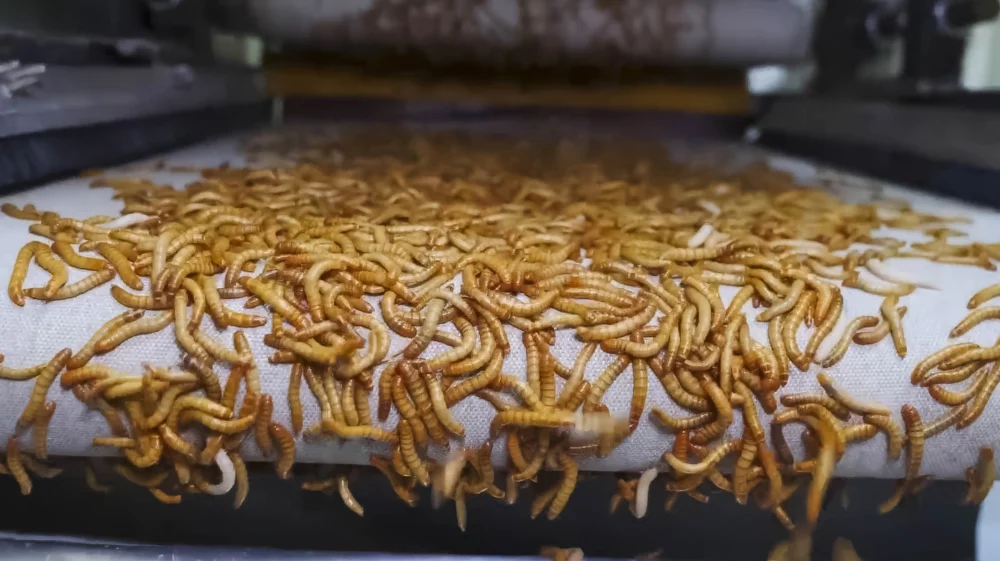
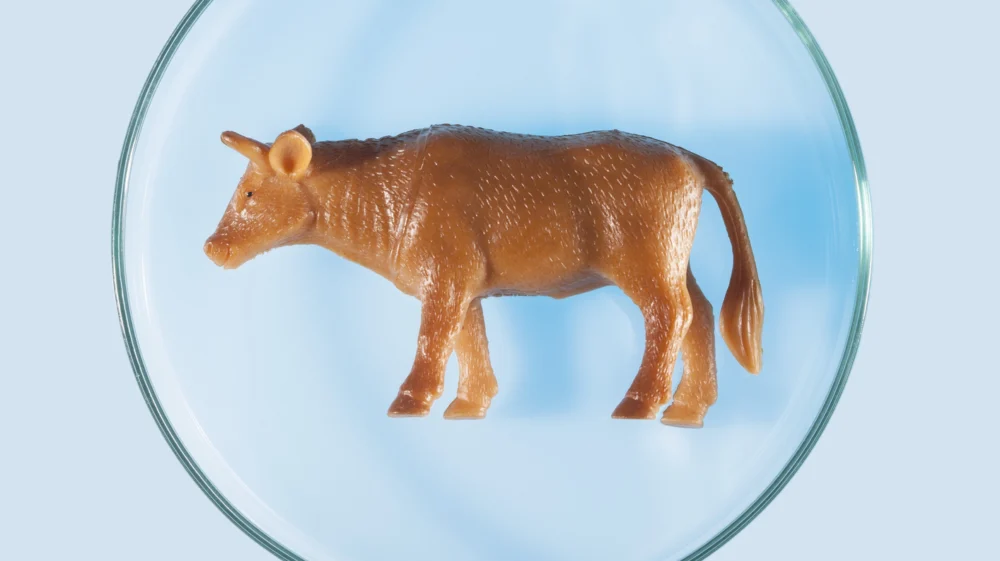
Alternative proteins represent a concrete response to a structural need: how to feed a growing population without increasing pressure on ecosystems. Today, three technological pathways have demonstrated commercial scale:
In Latin America, the race to lead this transition has already begun. Countries like Brazil and Chile have taken the lead. From Brazil, the Good Food Institute (GFI) has brought together key players, identified plant species with high potential as inputs, and accelerated startup growth across the region. In Chile, companies like NotCo have shown that artificial intelligence can radically transform product formulation, cutting development time and helping major players enter the alternative protein market. These advances reflect countries’ deliberate, strategic bet to position themselves in an industry that is still defining its leaders.
Colombia entered this transition at an early stage, with an advantage that is difficult to replicate. While other nations are already developing this new industry, Colombia holds a unique combination of biodiversity (the second-highest in the world) that can broaden the available inputs for alternative proteins, an agro-industrial base, and scientific capabilities that could position it as a relevant regional player. The opportunity is clear, but it is not automatic. Turning that potential into leadership will depend on the decisions made now.
Beyond potential, there is a clear signal: Colombia’s private sector has already begun to move. The country’s agro-industrial base – with financial strength, established infrastructure and a genuine appetite for innovation – holds direct advantages for participating in this transition.
Dairy companies, with decades of experience in fermentation processes, hold a competitive advantage that is directly transferable to the sector’s new technologies. Alpina, one of the country’s leading food companies, launched an acceleration program in 2024 designed to identify and support innovative ventures in the food industry, connecting corporate capital with high-potential ideas.
The most significant move, however, comes from Grupo Nutresa, one of Latin America’s largest food conglomerates, with a presence in 18 countries and annual sales exceeding USD 4 billion. In 2023, it announced a partnership with The Every Co, a global precision fermentation company, to incorporate its protein (a functional substitute for egg white, produced without animals) into products under its Zenú and Pietrán brands. This is the first integration of its kind in Colombia, and its significance goes beyond the product itself: It demonstrates that the country’s leading companies are already willing to bet on these new technologies, that the international business ecosystem is open to partnering with Colombian companies, and that the value chain can be built from within the country.
These private sector moves are not isolated. They are early signals of structural change. If aligned with scientific research and a clear public policy direction, they could accelerate the consolidation of an innovation ecosystem with regional reach.
The ecosystem exists, but what is missing is coordination and capital to take this industry to the next level. For Colombia to move from favorable conditions to genuine leadership, concrete decisions are needed on three fronts:
Alternative proteins are not a bet on the future – they are the present reality of countries that choose to act. Colombia has the biodiversity, the infrastructure, and, as Alpina and Nutresa demonstrate, a private sector ready to move. What is decided in the coming years will determine whether the country seizes that window of opportunity or lets it pass.
This perspective was translated from its original Spanish version using Claude AI services, and then was edited for accuracy and clarity by the authors and additional SEI editing staff.
Project / El proyecto identifica y analiza las iniciativas de bioeconomía existentes en el Pacífico (Chocó y Cauca) y en el Caribe (La Guajira y Sucre)
Initiative / This initiative aims to guide decision-makers towards more cohesive and constructive governance of bioeconomy pathways, with a focus on the Global South.
Project / SEI analyzes main archetypes used in blended finance transactions across three priority sectors in Colombia (sustainable agriculture, bioeconomy and energy).
SEI report / Read a summary of discussions from a workshop in Colombia on different visions for the country's bioeconomy.
SEI report / This SEI report outlines environmental concerns that challenge portrayals of the farmed insect industry as providing a sustainable dietary protein source.
Feature / SEI scientists weigh in on the new UNEP report exploring potential effects of some novel alternatives to conventional animal products, which launched at COP28.