part of Your guide to SEI at COP30
Start readingSEI experts argue that Latin American cooperation with the EU can boost its efforts to cut methane emissions, which cause more powerful and rapid global heating than carbon dioxide. COP30 in Brazil is the ideal forum for making these commitments.
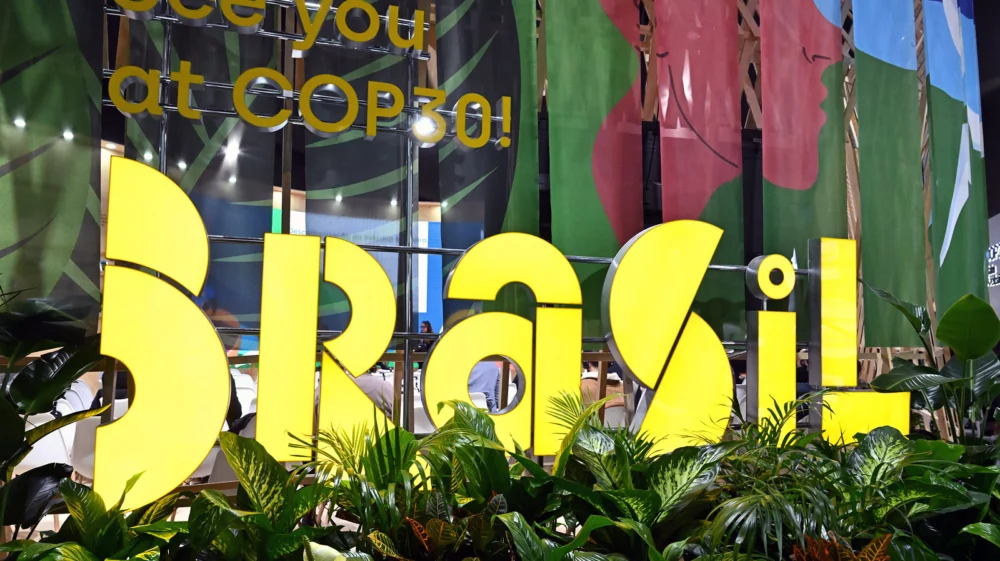
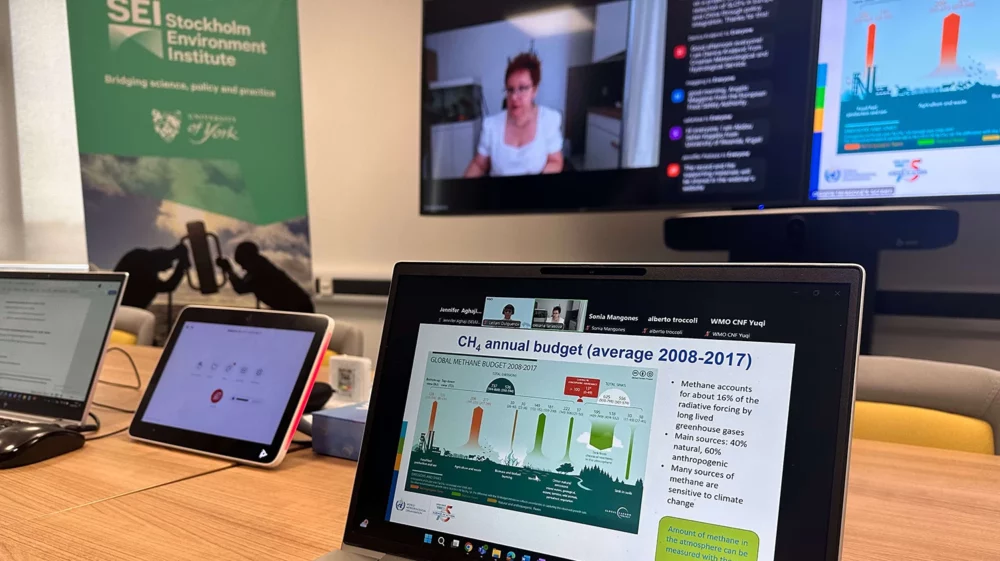
Discussions at COP30 in Belém, Brazil, increasingly emphasize the urgency of mitigation actions to achieve the Paris Agreement goal of limiting global warming to well below 2°C. While most efforts and attention focus on carbon dioxide (CO₂), other greenhouse gases such as methane, whose warming potential is 29.8 times greater than CO₂ over 100 years and 82.5 times greater over 20 years, offer faster and more effective climate mitigation benefits.
In Latin America, methane mitigation presents low-cost, high-impact opportunities across the region’s most emission-intensive sectors: agriculture (mainly livestock enteric digestion), waste (mainly solid waste in landfills), and energy (mainly fossil fuel extraction and combustion). The diversity of emission sources calls for the adoption and adaptation of best available practices worldwide, alongside regionally tailored, results-based approaches, especially in three key areas: 1) implementation of mitigation measures and technologies, 2) creation of market incentives for adoption, and 3) improvement of monitoring, reporting, and verification systems.
The European Union, for example, has taken a leadership role in methane mitigation through ambitious policies and regulations across high-emitting sectors. The EU Methane Regulation builds on frameworks such as the Oil and Gas Methane Partnership (OGMP 2.0), supported by strong enforcement mechanisms and continuous monitoring, reporting and verification (MRV) improvements. COP30 offers a valuable opportunity for Latin American countries and the EU to strengthen cooperation, exchange lessons and share best practices.
Building on this momentum, an SEI Latin America-led project, funded by the EU, examined methane mitigation challenges across six Latin American countries – Mexico, Brazil, Argentina, Colombia, Chile and Costa Rica – and explored how international policy convergence with the EU can help address them. Despite national differences, three ways forward emerged across the agriculture, waste and energy sectors:
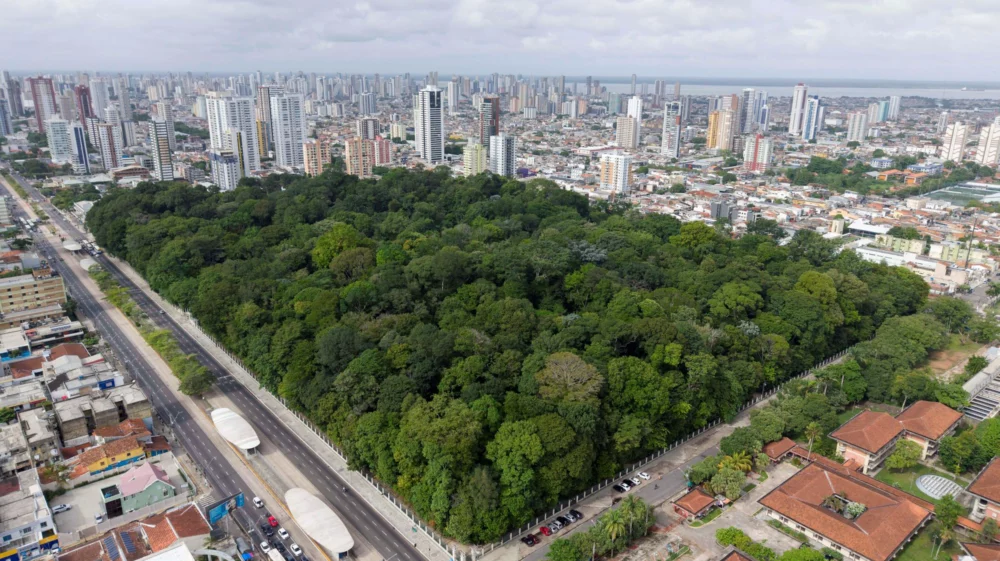
COP30 represents a timely opportunity to strengthen international cooperation on methane mitigation in Latin America: a region home to the Amazon forest, vital biodiversity, Indigenous and local communities, and a critical biome for regulating the planet’s climate. EU–Latin America cooperation offers significant potential for finance and technology transfer, grounded in mutual learning and shared best practices. Advancing methane mitigation in the region not only contributes to global climate goals but also reinforces Latin America’s leadership in climate action and its pursuit of just and equitable sustainable development.
Project / This project aims to foster political convergence and strengthen cooperation on methane mitigation
Feature / Your guide to understanding the key issues expected to dominate the agenda at this year's COP30 in Belém, Brazil.
Feature / A FOCI webinar showcased how tackling SLCPs like methane and black carbon can rapidly improve air quality and curb global warming.
Media advisory / At COP30 in Belém, Brazil, from 10-21 November, SEI researchers and experts will be on site to offer expert commentary and analysis on crucial topics.