Commodities are not always the answer. Specialties, with their clear links to specific landscapes and cultures, may offer better economic prospects and suit development strategies based on livelihood and biodiversity conservation. They also offer a pathway to more conscious and sustainable consumption.
Each year, 4 to 5 million ha of native vegetation are lost in the tropics. Most of it – 90–99% – is due to unsustainable agricultural expansion, to produce a few commodities, such as soy and palm oil. In addition to the loss of tropical ecosystems, these shifts to large commodity value chains leave out inclusive development that builds on local livelihoods and biodiversity.
An alternative to destructive, exclusive agricultural value chains can be the promotion of specialties rather than commodities. A specialty is a unique product, sometimes linked to a region or to a culture that produces it, like açaí berries or Parmesan cheese. Unlike commodities, a specialty product is valued precisely for its specific properties, rather than for standardized features and fungibility for bulk markets, where price rules.
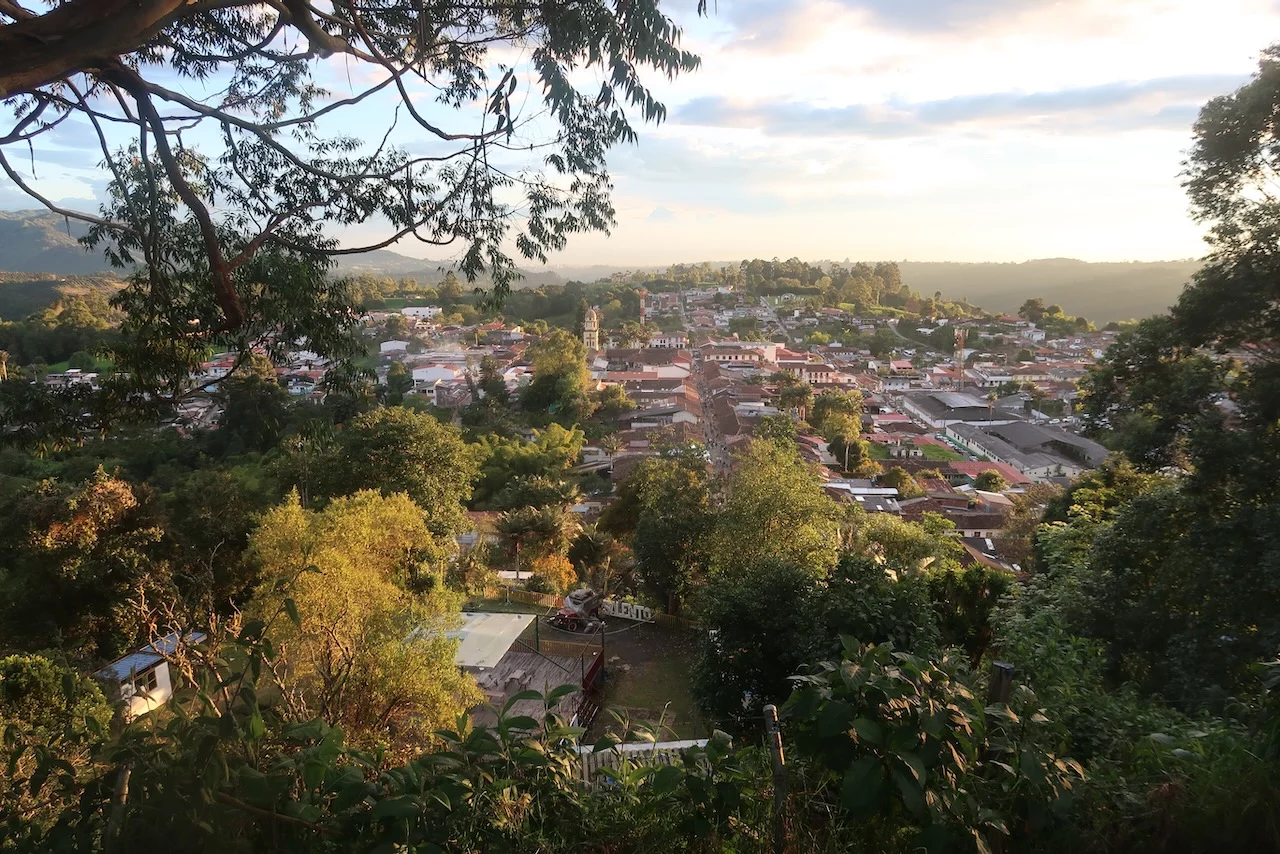
Quindío Department in Colombia, where specialties have helped promote the region’s economy and cultural landscape, recognized since 2011 as a UNESCO World Heritage site.
Photo: Mairon G. Bastos Lima / SEI
At COP30 in Belém, the spotlight was on myriad bioeconomy initiatives, many particularly related to sociobioeconomy. These are understood to be centred on people, traditional livelihoods and the concept of “convivial conservation”. Driven strongly by Brazilian and other Latin American non-governmental and grassroots organizations, sociobioeconomy value chains have emerged as part of a powerful sustainable development agenda, with potential to counteract deforestation in the tropics.
However, how that is done is critical. Attempts to turn smallholders or traditional communities into mere commodity suppliers routinely stumble on the inherent demands of commodity markets, e.g. for standardization and scale. Moreover, small-scale producers often realize that such bulk markets typically fail to ascribe much (or any) value to product peculiarities, functional differences, or to the environmentally and culturally sound ways in which production has taken place – even when adopting certification.
Instead of pursuing commodification, specialty promotion is tuned to small-scale production and can be part of a broader strategy for promoting more sustainable food systems and more conscious consumption. Europe, for instance, offers many successful examples of specialty promotion through culturally embedded, uncommodified food such as regional wines, cheeses, and other products with protected geographical identities. This would be particularly important in tropical countries with high levels of biological and social diversity, where products derived from this diversity can rely on differentiation strategies rather than solely on low costs.
Cases elsewhere also exist of successful “decommodification”, where a bulk commodity has been transformed into a specialty product. That has been to some extent the case of rice, for example, with Basmati and other varieties being evermore recognized, and increasingly the case of cocoa, too. Of all cases, perhaps Colombian specialty coffees show this best.

The experience of the Colombian specialty coffee sector offers valuable insights into how rural producers can move from dependence on commodity markets to high-value differentiated markets. Over the past two decades, Colombia’s coffee chain has progressively reoriented from bulk export toward specialty production based on quality, identity and sustainability.
The notion of “value” in Colombian coffee has evolved profoundly over time, shaped by changing consumer expectations and the sector’s capacity to adapt. In its early stages, differentiation relied heavily on organic or other sustainability certifications from organizations such as Rainforest Alliance, Fair Trade, Bird Friendly and 4C. These standards reflected a consumer understanding of value rooted in environmental and social responsibility. Over the years, however, the market matured, and value began to depend increasingly on sensory experience: the so-called cup profile.
Much like wine, the cup profile captures the essence of a coffee’s identity through a combination of fragrance, aroma, acidity, aftertaste, balance and body. It reflects the interplay of origin, variety, harvest, and post-harvest processing. Professional cuppers score coffees on a 100-point scale, and those exceeding 80 points are recognized as specialty coffees. In today’s markets, particularly in Asia and the Middle East (Japan, China, Korea, India and Dubai), these sensory characteristics are the key drivers of perceived value. In contrast, European consumers continue to prize sustainability certifications and social attributes as hallmarks of quality and integrity, such as women-led initiatives (Café de Mujeres). However, sensory experience is increasingly central to quality assessment, and if sustainability standards are also in place, it is even more highly valued.
For producers, added value now comes from achieving greater efficiency in the production of high-scoring coffees: increasing yields and quality while using fewer resources. Rural extension and technical assistance play a vital role in transferring technology, monitoring quality, embedding sustainable practices in production, and strengthening entrepreneurial skills. This is why business models based on value chain integration have been developed, with “shared value” strategies between enterprises and small producers.
Yet quality alone is not enough. Building consumer trust has become a central part of the strategy, requiring consistent quality, transparent communication and a strong narrative that connects producers with end consumers in a sensory experience. Simultaneously, consumer education is promoted through initiatives such as coffee schools and academies, and national and regional cupping competitions strengthen sensory skills and appreciation of specialty coffee.
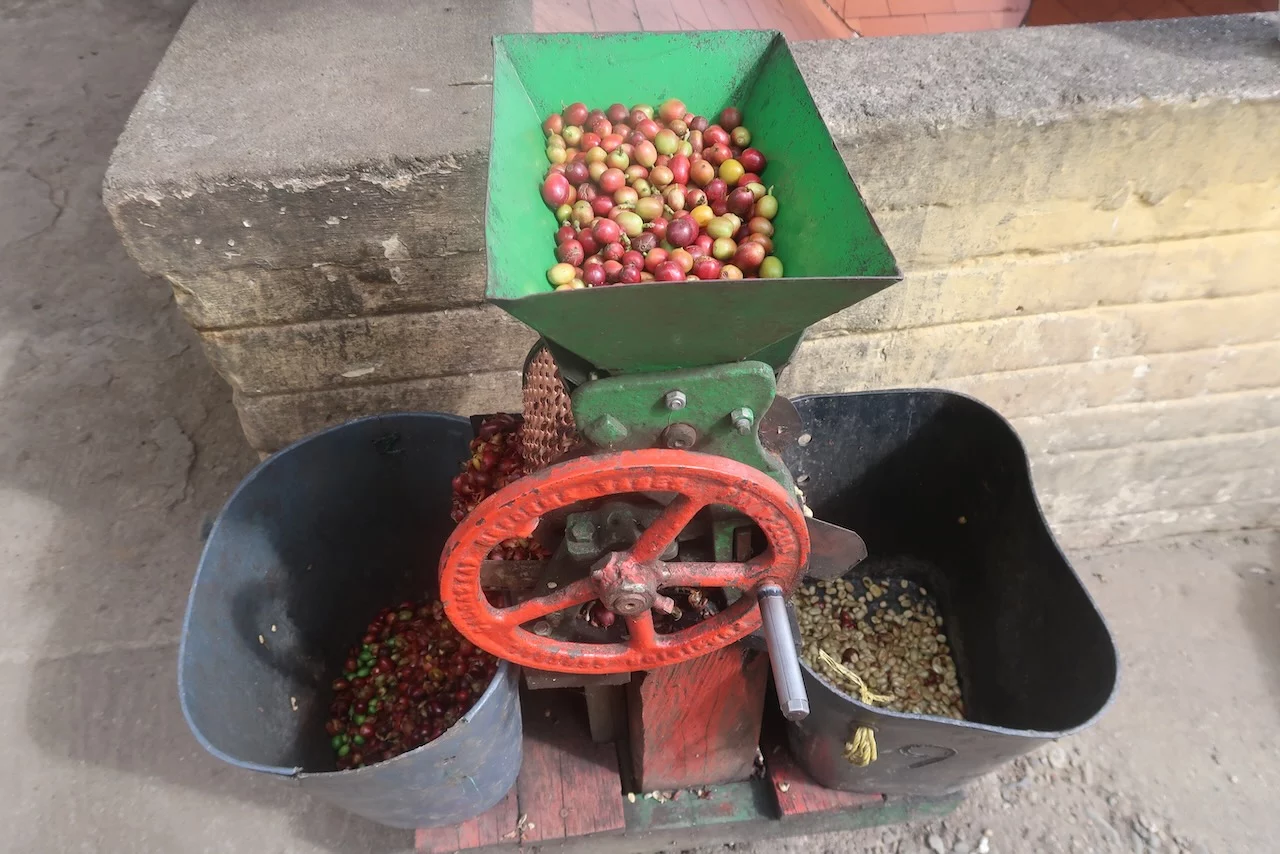
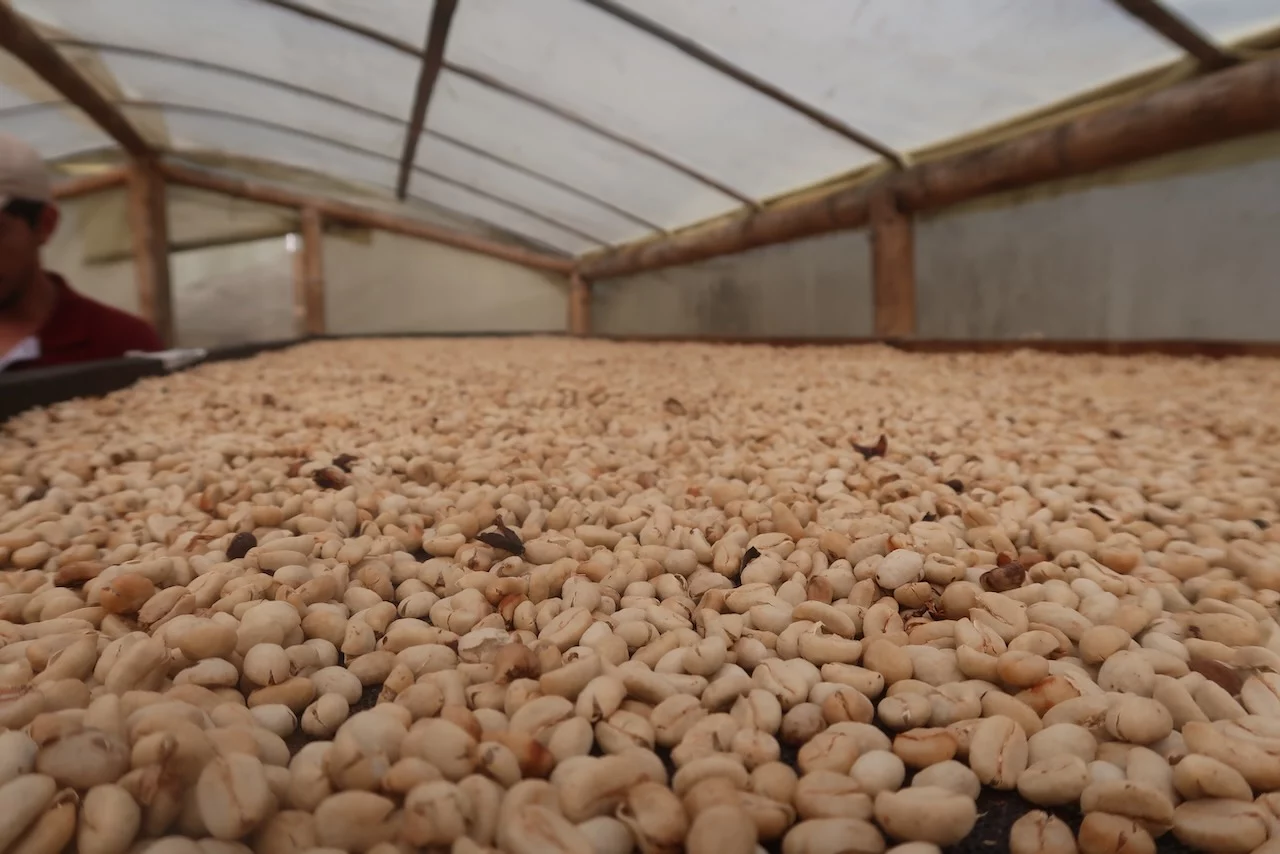
Dry Colombian coffee beans.
Photo: Mairon G. Bastos Lima / SEI
Specialty markets need not be restricted to foods, and a salient example is the booming sector of Amazonian biocosmetics. In the past 20 years, producers of all scales – from smallholder family enterprises to major companies such as Natura, L’Oreal and L’Occitane – have transformed cosmetics consumption in Brazil, with a focus on health and “naturalness”.
Numerous bio-based value chains have emerged around Amazonian products previously unknown even to most Brazilians. Andiroba, murumuru, cumaru and many other native seeds, fruits or plant oils are increasingly used and promoted for health benefits and cosmetic properties.
As with the case of Colombian specialty coffees, biocosmetics have seen a marked change in consumer profile, not just of production systems. With the dissemination of evermore information on health, and through a strong presence of social media influencers that test and assess new products, Brazilians have increasingly shied away from mass-market cosmetics and moved towards more selective consumption.
Consumer focus is first and foremost on perceived quality, with sustainability coming as an added benefit. In the case of cosmetics, attention is above all on effectiveness, the use of plant-based ingredients (as opposed to parabens and other substances derived from petrochemicals), and perceived health benefits. Benefits to producers or to environmental conservation emerge here as a co-benefit, not as the main goal.
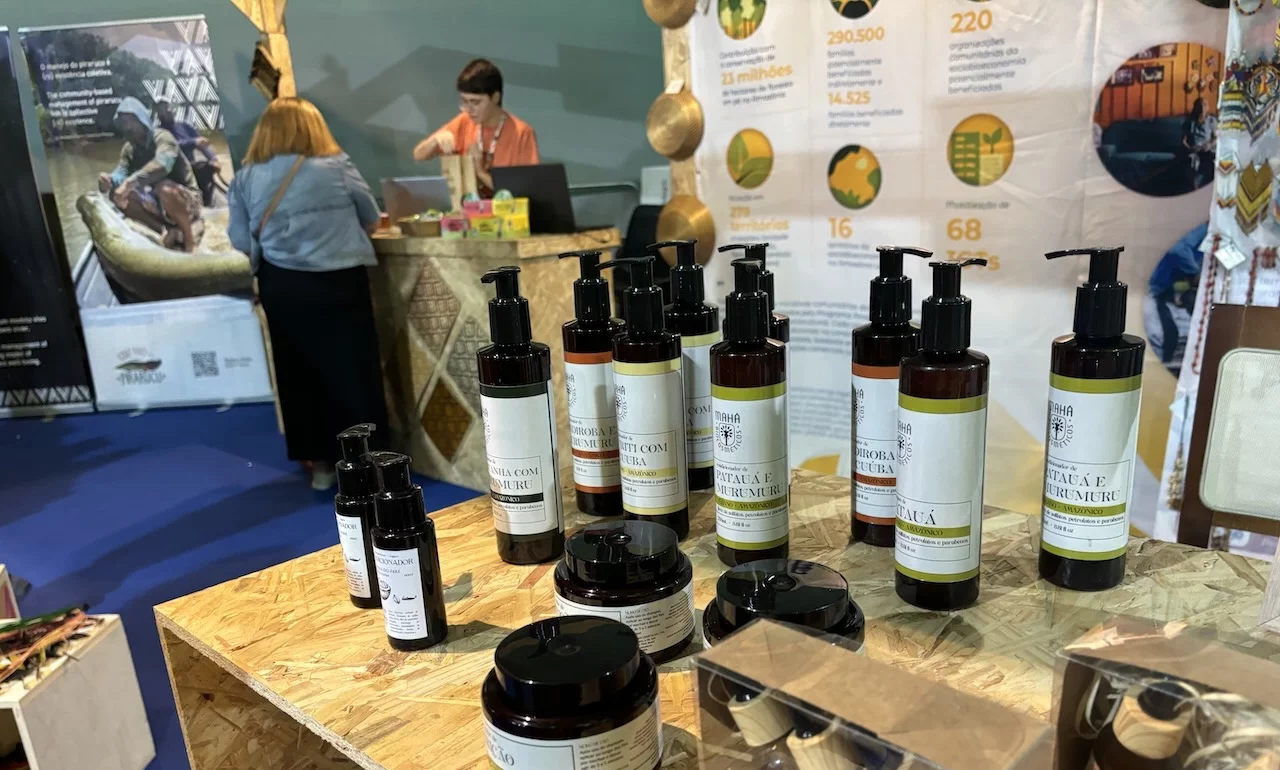
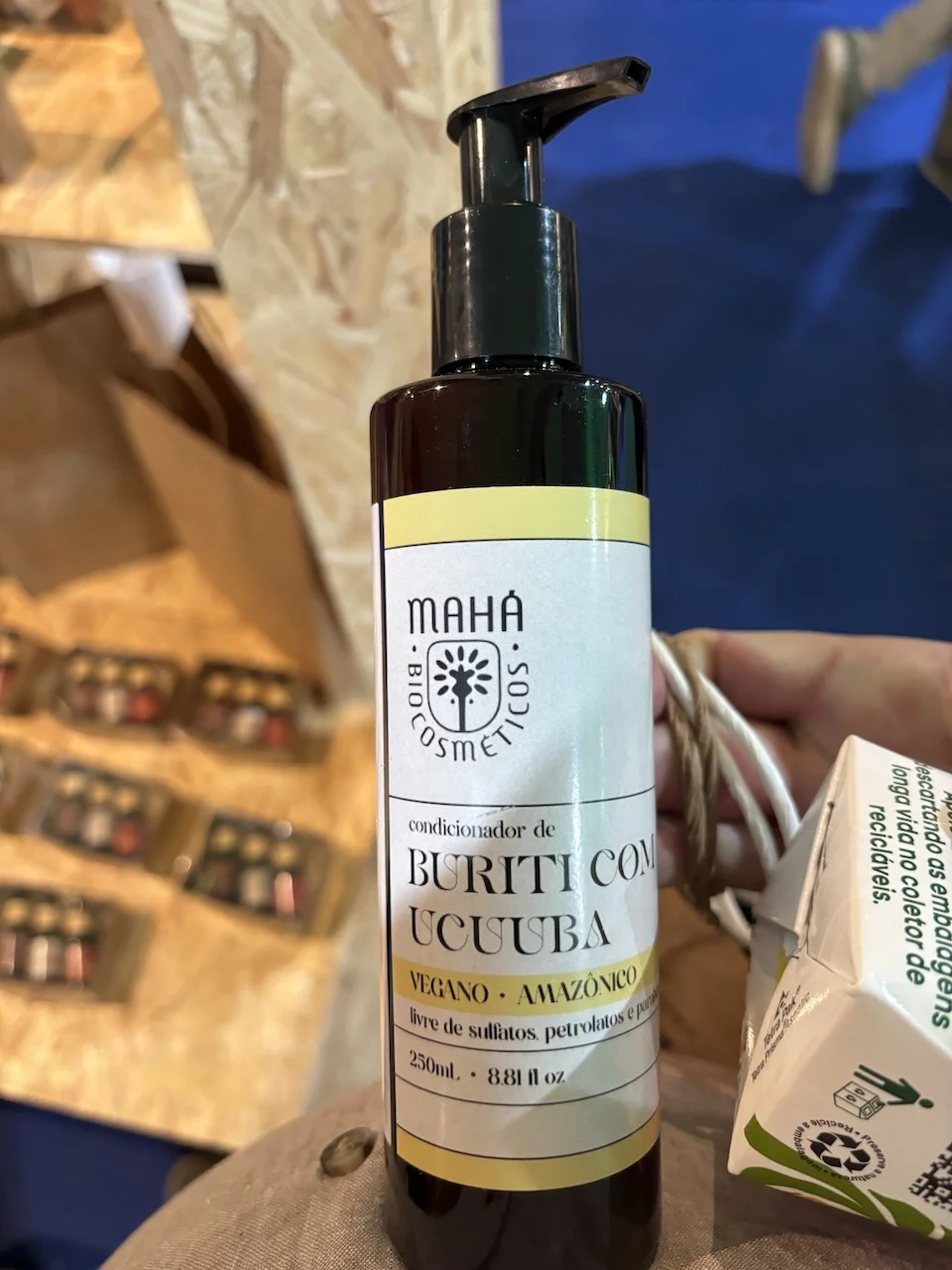
Hair conditioner from Amazonian plants — buriti and ucuuba — at an exposition of products from micro, small and medium-size enterprises during COP30 in Brazil
Photo: Mairon G. Bastos Lima / SEI
Tropical countries have no shortage of foods and other bioproducts whose identities are linked to specific territories, with immense untapped potential. However, as the cases of Colombian specialty coffees or Amazonian biocosmetics in Brazil show, promoting specialties requires a different tack.
Considerable work goes into capacity building at the local level with producers and micro, small, and medium-sized enterprises (MSMEs) and value chain structuring for the production, transformation and commercialization of quality goods. Innovation is geared towards identifying the values and trends of the most specialized consumers and linking them to the distinctive values of these products through quality experiences. Consumers also must be transformed into more knowledgeable and selective buyers, to make the shift from purchasing undifferentiated mass market goods.
To be clear, specialties do not need to be luxury goods. Simple fruit cultivars or minimally processed goods – such as cassava flour types – can be specialties. However, they do show signs of differentiation and command higher-than-average market prices, all while fostering more discerning and conscious consumption.
For sustainability, COP30 has consolidated sociobioeconomy strategies as a potentially transformative pathway for tropical forest regions, valuing these ecosystems for far more than just carbon storage. Indeed, recognizing such additional values and potentials may be critical for stemming deforestation, by building economic development on biodiversity and local cultural practices in the tropics, rather than at their expense.
Project / This project examines how biodiversity-based solutions can achieve change for coffee in Colombia and biocosmetics in Brazil.
Project / Este projeto examina como soluções baseadas na biodiversidade podem promover mudanças no café na Colômbia e nos biocosméticos no Brasil.
Project / El proyecto explora cómo cadenas de valor basadas en la diversidad biocultural pueden impulsar el desarrollo sostenible en la Amazonía.
Project / Este projeto examina como as interações entre os setores público e privado podem promover uma adaptação climática democrática, justa e eficaz no terreno.
Project / This project examines how public-private sector interactions can promote democratic, just and effective climate adaptation on the ground.
Project / This project examines how biodiversity-based solutions can achieve change for coffee in Colombia and biocosmetics in Brazil.