Skip navigation
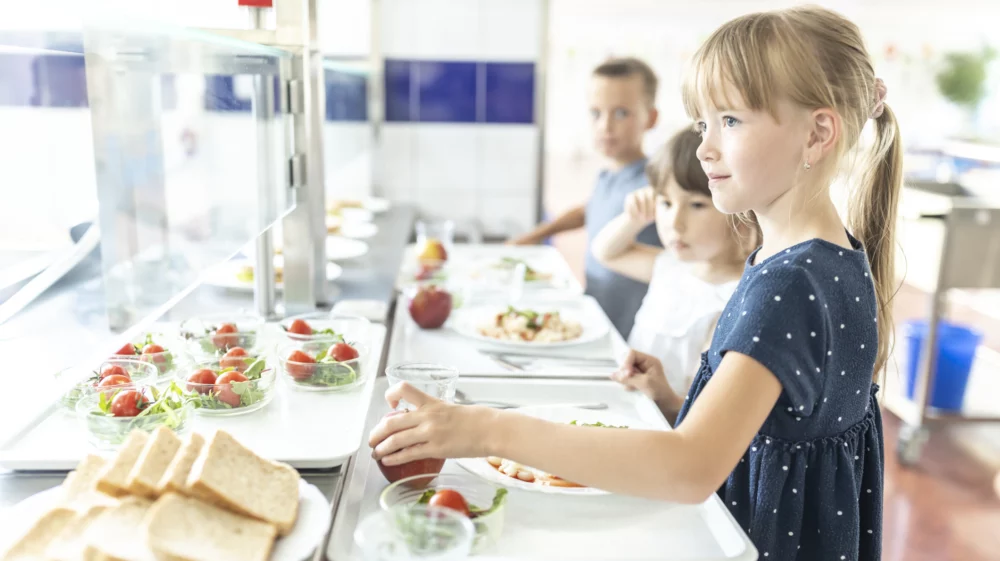
Students taking red grapes and cheese from plates on counter at school canteen
Project

see in Estonian

SchoolFood4Change

SchoolFood4Change strives for a long-lasting impact on the whole food system that will benefit both the people and the planet.

Photo: Westend 61 / Getty Images.

Active project

2022–2026

The SchoolFood4Change (SF4C) project aims to engage schools as catalysts for transforming the food system toward delicious and healthy diets for humans and the planet.

The SF4C project includes 43 partners who contribute to the ambitious target of reaching at least two million EU citizens by directly impacting over 3,000 schools and 600,000 young people in 12 European countries.

To achieve the ambitious goal of enabling community-wide food system change, SF4C follows a holistic multi-level approach based on the cumulated expertise of established European organizations and networks, sustainable food procurement and nutrition specialists, scientists, chefs and dietitians.

This involves

  • the development of innovative and sustainable food procurement,
  • the promotion of planetary health diets and cooking,
  • and the introduction of the Whole School Food Approach, a defined framework for municipalities and schools targeting the achievement of a child-friendly food culture and involving all related actors linked to the school environment.

Project activities

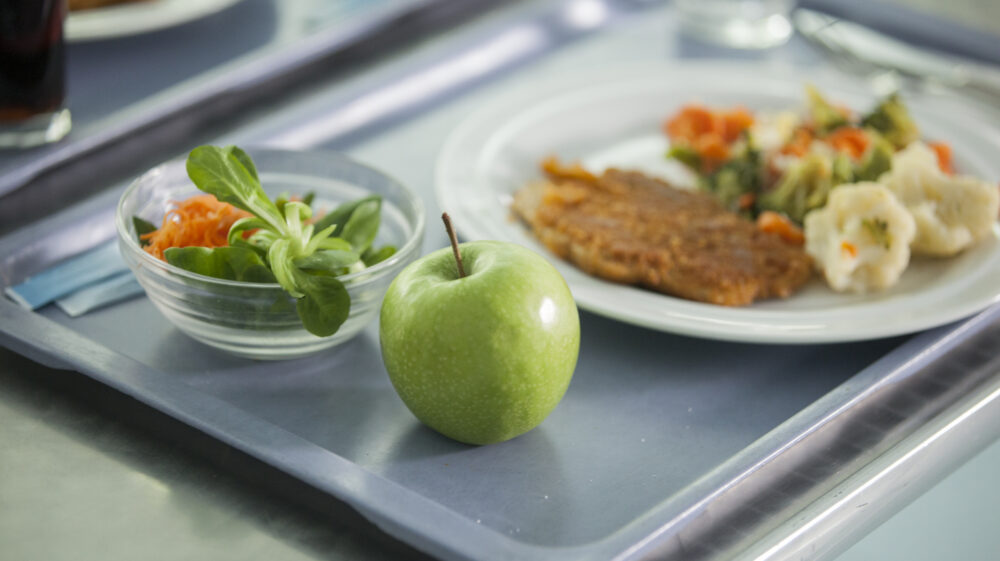
  1. Developing methodology for defining sustainable and healthy school meals and assessing their health and environmental impact.
  2. Translating theoretical findings into specific criteria for sustainable (public) food procurement and into a collection of concrete school menus to prove that locally adapted school meals can be healthy, sustainable and, at the same time, cost-effective. We will develop guidance material on the procurement of sustainable and healthy school meals: from initial procurement criteria to innovative approaches to concrete measures and solutions for developing a sustainable and healthy food culture in municipalities and schools.
  3. Developing innovative and sustainable food procurement, promoting Planetary Health Diets and cooking, and introducing the Whole School Food Approach, a defined framework for municipalities and schools targeting the achievement of child-friendly food culture and involving all related actors linked to the school environment. According to the Whole School Food Approach, school food shouldn’t be considered a simple catering service but a holistic concept and a catalyst for change that is integrated into the school curriculum and involves students, teachers and parents. At the heart of this work is providing sustainable and healthy school meals as part of a whole-school approach. Around it, project partners will develop and test various innovative solutions.
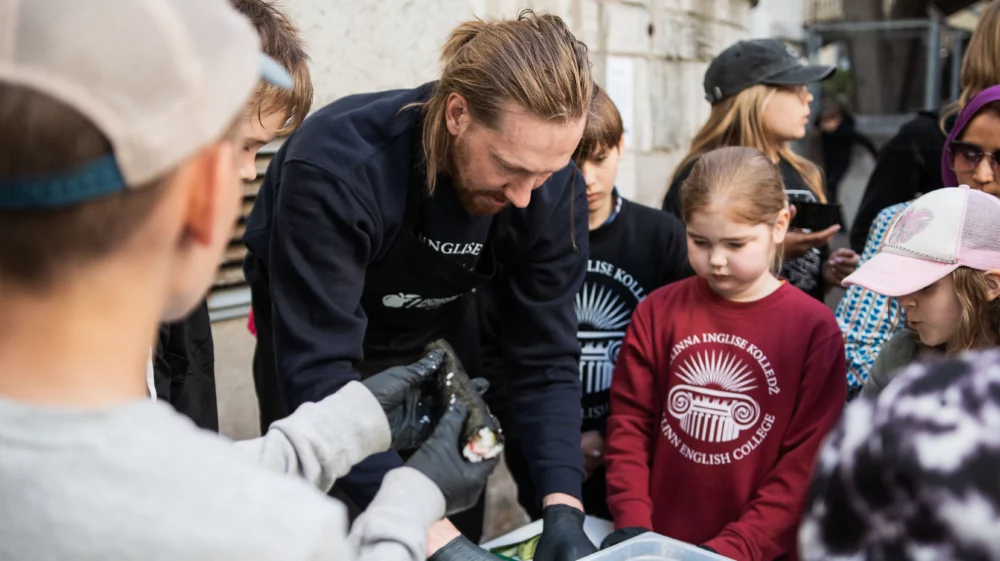
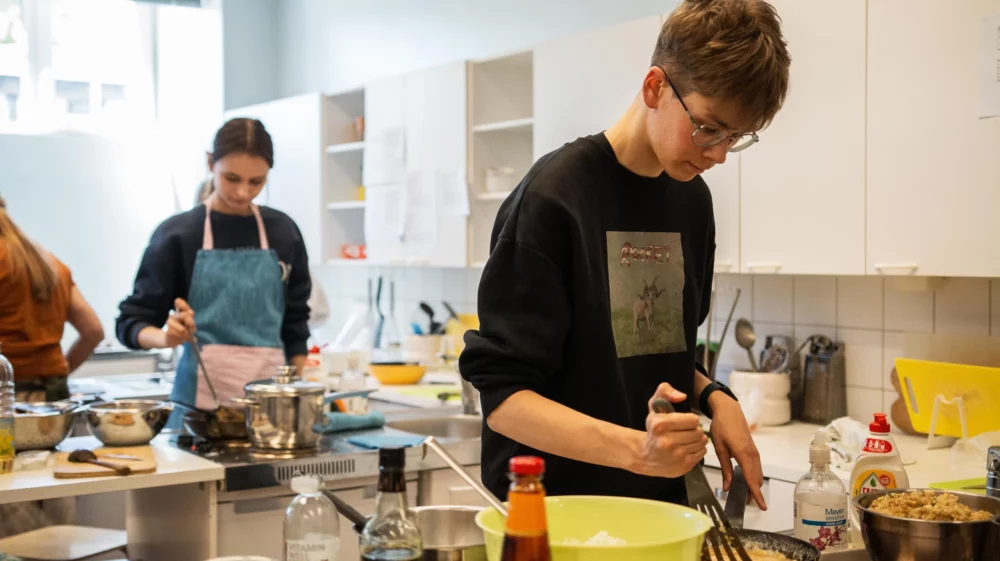
  4. Improving the quality of school food and supporting new eating habits. Project partners will train and empower cooks and urban food enablers on planetary health cooking to put theory into practice. By establishing a dialogue and direct exchange between schools, students, and local farmers, SF4C aims to make the topic of sustainable and healthy food more tangible, particularly for young generations.

SEI Tallinn is the lead partner in Estonia and has a leading role in developing the definition of sustainable school meals, indicators, environmental impact methodologies and mapping the situation in partner countries. SEI Tallinn also coordinates the project activities in Estonia and supports the City of Tallinn and Viimsi Parish in their activities.

Project partners

The project involves 33 partners from 12 countries across Europe (local and regional authorities, research institutes and expert organizations).

Project lead partner

Partners in Estonia

Project funding

Schoolfood4Change is funded by the EU’s Horizon 2020 programme. It started in January 2022 and will run for four years. The findings will be replicable within and beyond the EU.

SEI project team

Evelin Piirsalu

Senior Expert (Green and Circular Economic Transformations Unit)

SEI Tallinn

Brigita Tool

Junior Expert (Green and Circular Economic Transformations Unit)

SEI Tallinn

Piret Kuldna

Senior Expert (Green and Circular Economic Transformations Unit)

SEI Tallinn

Ingrid Varov

Expert (Green and Circular Economic Transformations Unit)

SEI Tallinn

Johanna Lehtmets

Communications Manager

Communications

SEI Tallinn

Anette Parksepp

Communications Expert

Communications

SEI Tallinn

Tags
food, education
Related centres
SEI Tallinn
Regions
Estonia, EU