This report gathers analyses of demand-side food policies in 11 European countries. It is associated with the
policy paper titled “Towards food policies that support healthy and sustainable consumption. Country case
studies and the role of the EU food policy”, which highlights the relevance of demand-side food policies and
aims to inform national policymakers in the member states and at EU level about their potential.
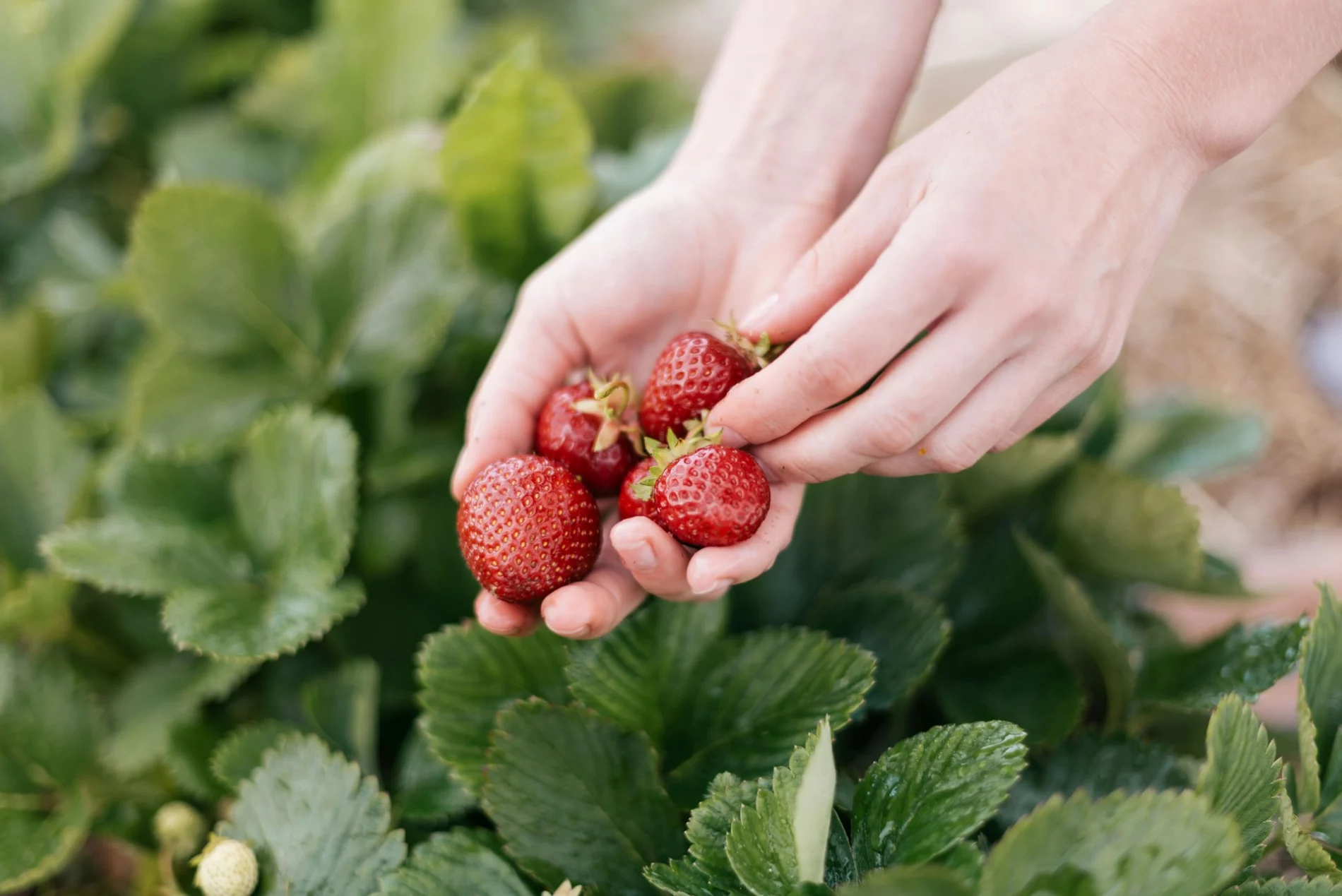
Photo: Roman Kraft / Unsplash
The report aims to help policymakers and stakeholders in Member States considering the development of
demand-side food policies by providing a better overview of relevant and effective policies, useful processes
as well as success factors and barriers. The case studies:
The focus of these case studies is on demand-side food policies, i.e. policies that have a direct or indirect
impact on food practices through changes in the food environment. Policies fostering such food environments
not only enhance food-related competences but also improve availability, affordability and appeal of healthy
and sustainable options. This includes reducing food waste and promoting healthy and sustainable diets.
Sweden’s National Food Strategy emphasizes competitiveness and food production but also includes sustainability, however, its impact has been limited in terms of environmental objectives and healthy diets. Stronger common vision among government actors could support a more coherent food policy.
The paper delves into opportunities and solutions hidden in changing food consumption patterns, emerging demand-side policy trends and necessary national and EU-level frameworks for effective food policies.
Project / The Swedish International Agricultural Network Initiative – SIANI – is a global network that supports and promotes dialogue and action around food systems.
Feature / Municipalities and cities from Bosnia and Herzegovina visited Sweden for a study tour on sustainable agriculture run by BiH SuTra project.
Journal article / This study contributes to a deeper understanding of school food provision models in Europe.
Journal article / A study of food waste in Swedish school canteens, analyzing organizational, school, and individual factors using extensive quantitative data.