Photo: chuttersnap / Unsplash
More than 65% of the world's population are projected to live in urban areas by 2050, with major implications resource use, energy, water and sanitation, and health and well-being. At the same time urbanization can bring benefits, especially efficiency gains. SEI examines these challenges in the round to advance sustainable urbanization.
631 results / 4 of 71 pages
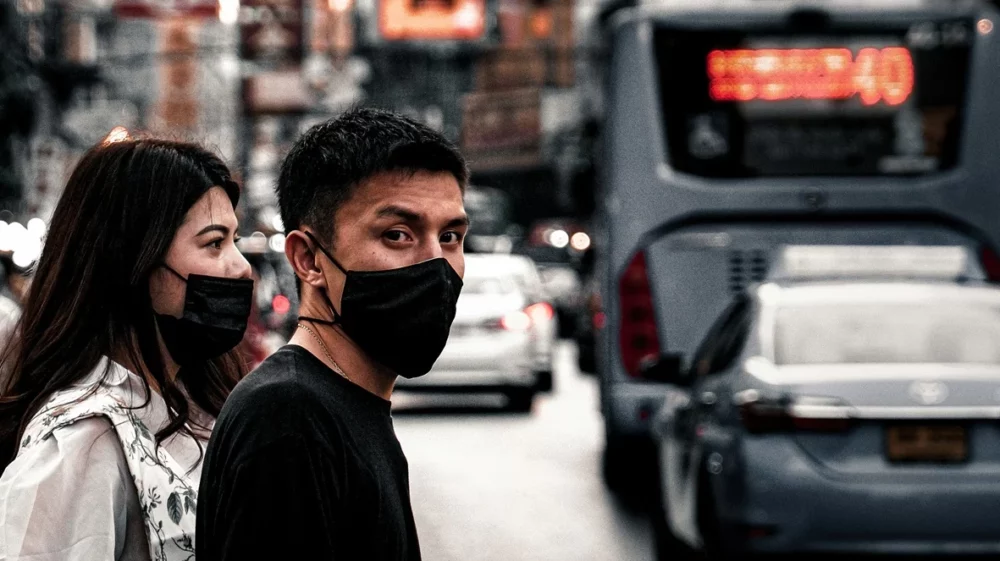
Perspective / In this Asian Development Bank blog, Gary Haq argues that air pollution crosses borders in Asia, so countries must cooperate regionally to address it.
Project / This project strengthens Somalia’s national air quality governance through policy development and targeted capacity building
Past event / The 13th APFSD will take place on 24-27 February 2026 at the United Nations Conference Center (UNCC) in Bangkok, Thailand.
Past event / Chad launches a national effort with CCAC and SEI to tackle methane and other climate pollutants through a new SLCP plan.
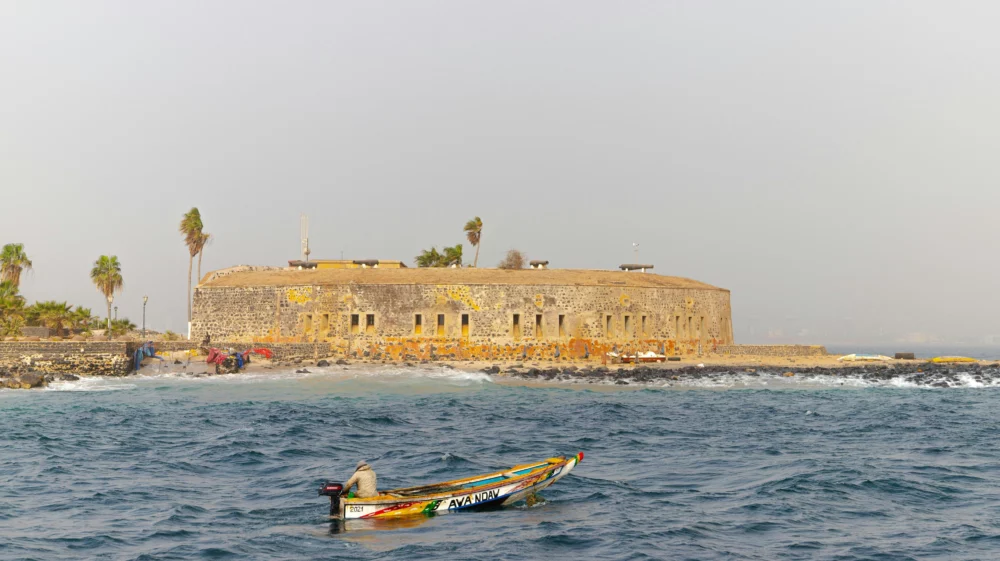
Feature / Senegal has launched a national plan to cut methane and other short-lived climate pollutants, addressing climate change, air pollution and public health
Feature / This story explains and visualizes how urban heat islands form, why they matter and how they impact the most vulnerable people in our cities.
Past event / Senegal launches a national effort with CCAC and SEI to tackle methane and other climate pollutants through a new SLCP plan.
Past event / What are the gaps, challenges, and opportunities for future health research studies in the UK? Join the Air Hub for an interactive workshop.
Project / This project strengthens the capacity of Chad's Ministry of environment, water, and fisheries to identify sources of SLCPs and develop mitigation measures