Editor’s choice
Editor’s choice
Photo: chuttersnap / Unsplash
More than 65% of the world's population are projected to live in urban areas by 2050, with major implications resource use, energy, water and sanitation, and health and well-being. At the same time urbanization can bring benefits, especially efficiency gains. SEI examines these challenges in the round to advance sustainable urbanization.
618 results / 5 of 69 pages
Feature / Lessons from Bangkok’s pocket parks reveal how design and location shape health, inclusion and the way people use urban green spaces.
SEI report / This assessment of urban sanitation and waste management in Basrah City identifies service gaps, evaluates current practices, and explores opportunities.
Feature / Bangkok's pocket parks are reshaping access to urban green space, offering new insights into equity, health, and resilience in the city.
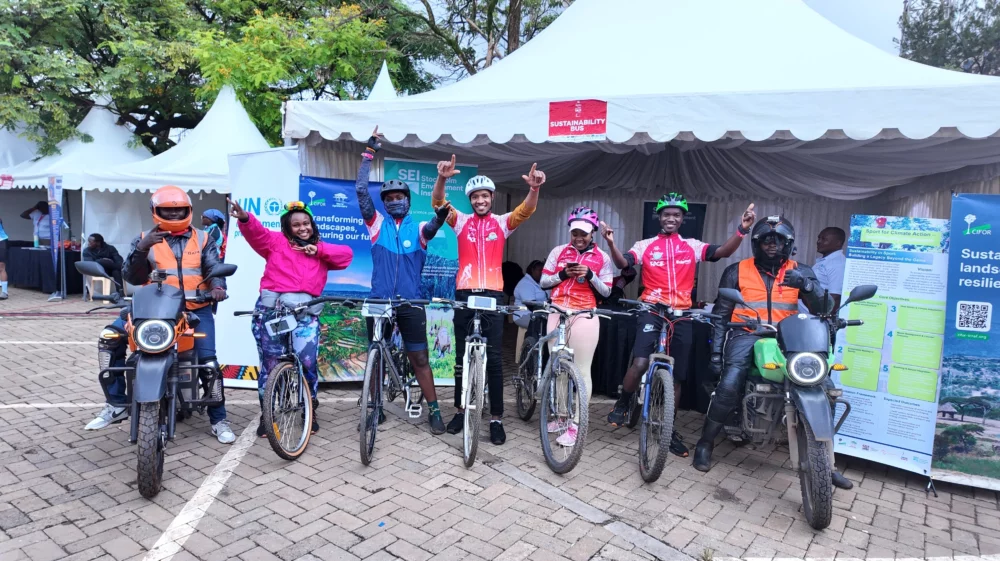
Feature / At Nairobi’s Jubilee Live Free Bike Race, partners unite sport and sustainability to champion clean air and healthy cities.
Past event / Design your own city with the Urban Labor-a-tree at York Environment Festival 2025 Game Night.
Past event / Ahead of COP30, SEI researchers joins Brazil roundtable on super pollutants to share policies, experiences and cooperation opportunities.
Feature / Researchers document how low-income communities in Bangkok are coping with the intense and unforgiving heat.
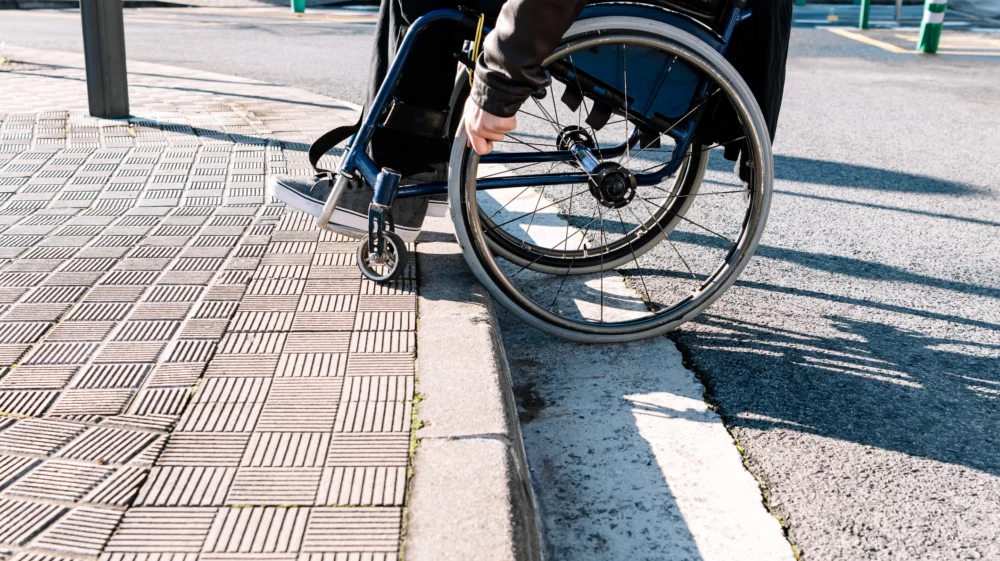
Project / Using a visual storytelling approach, this project documents everyday mobility practices and infrastructure use, revealing local issues.
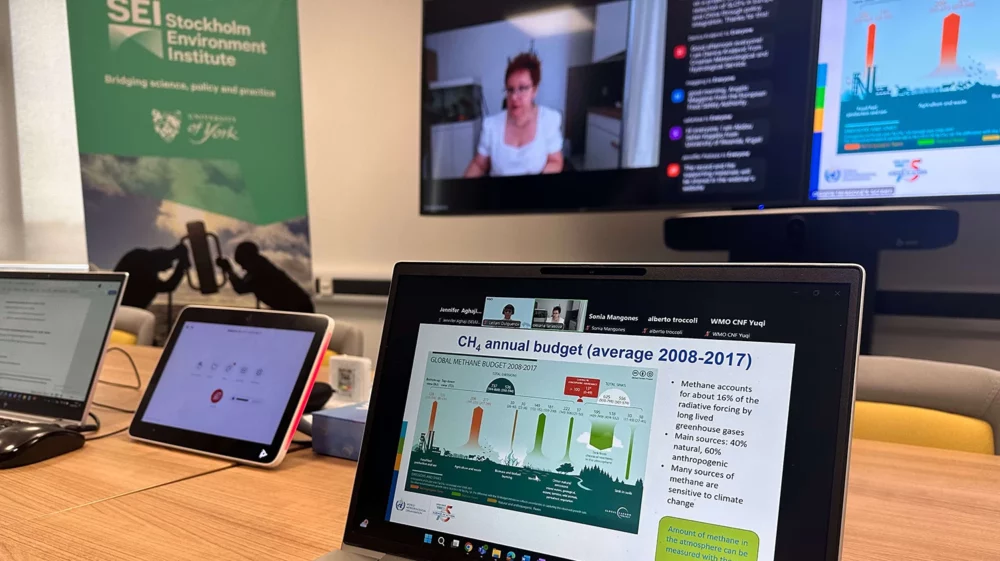
Feature / A FOCI webinar showcased how tackling SLCPs like methane and black carbon can rapidly improve air quality and curb global warming.