Editor’s choice
Editor’s choice
Photo: chuttersnap / Unsplash
More than 65% of the world's population are projected to live in urban areas by 2050, with major implications resource use, energy, water and sanitation, and health and well-being. At the same time urbanization can bring benefits, especially efficiency gains. SEI examines these challenges in the round to advance sustainable urbanization.
618 results / 9 of 69 pages
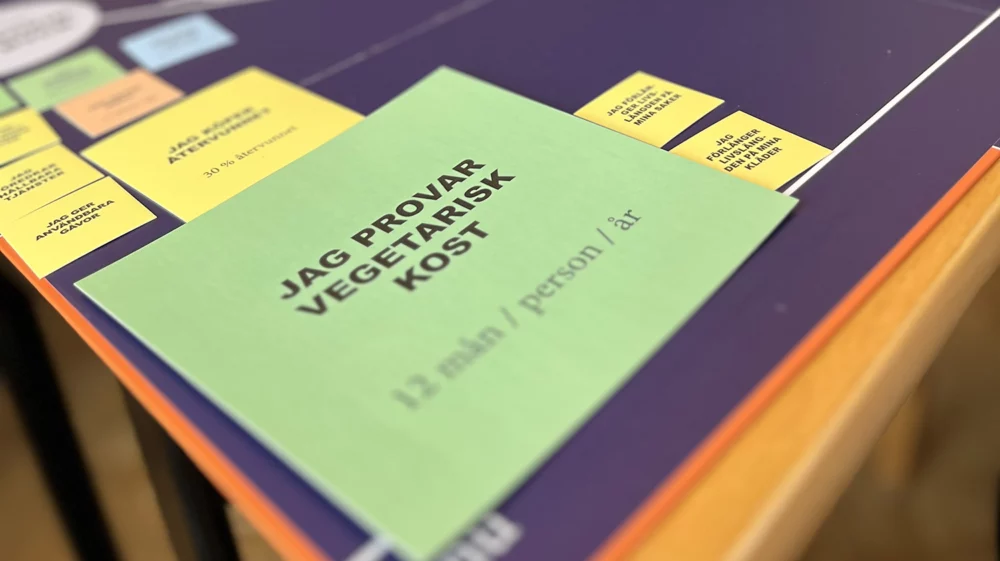
Feature / From Malmö to Avesta, SEI voices from SCORAI 2025 highlight how context and community can shape real sustainability transitions.
Media coverage / SEI Asia's Diane Archer shares insights with HaRDstories about the Clean Air Bill in Thailand.
Feature / SEI’s project transformed a transit hub in Indonesia through community design, offering a replicable model for inclusive urban renewal.
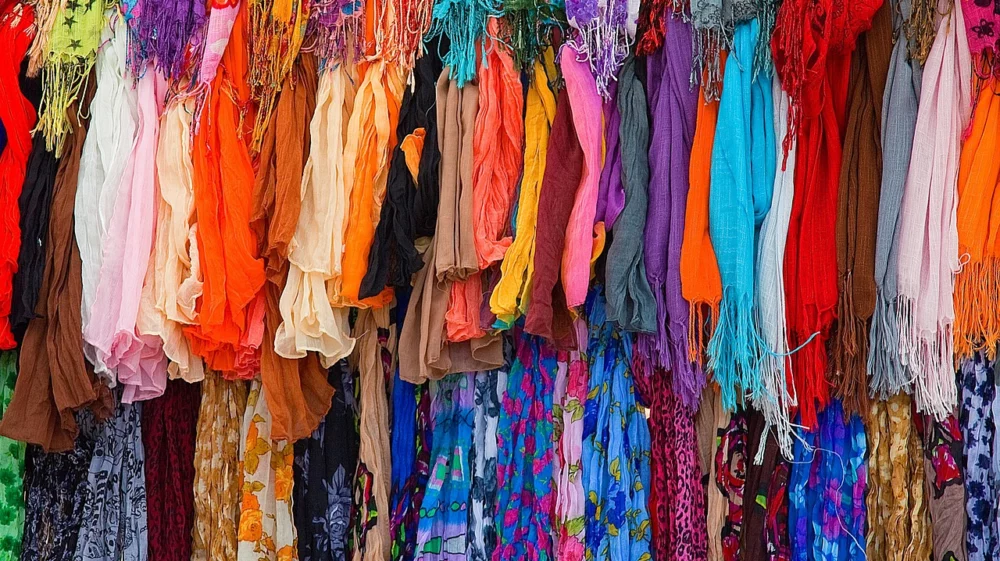
Feature / The fashion and textile industry is one of the largest contributors to global waste and pollution.
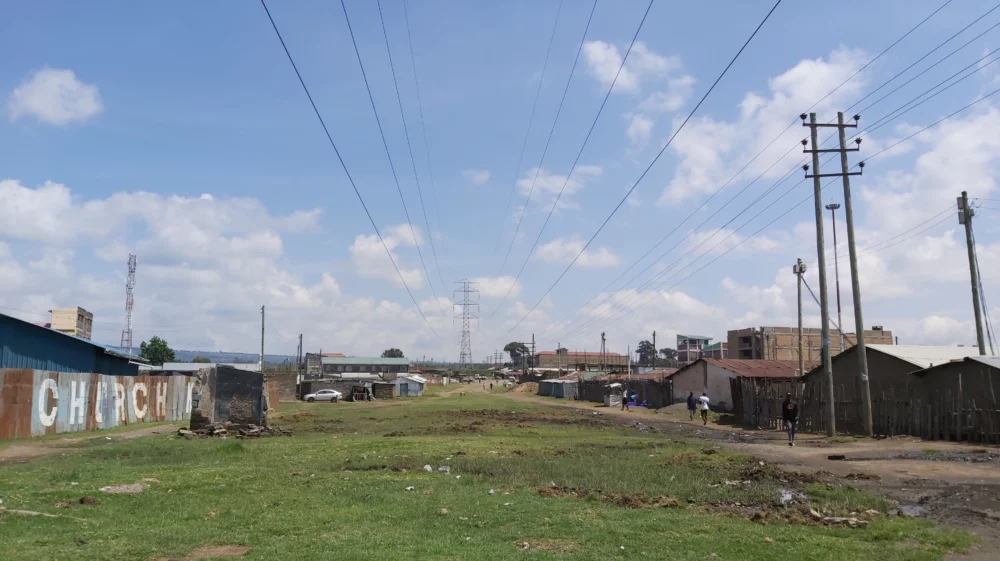
Journal article / This study explores at risks in informal settlements from hazards and inequalities, highlighting the potential of nature-based solutions for equitable planning.
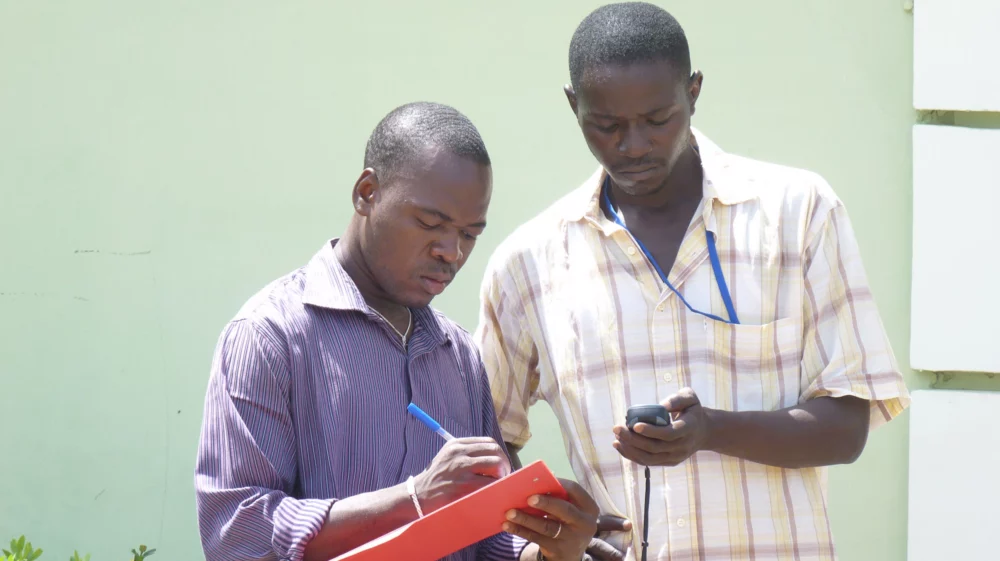
Journal article / Reflecting on projects conducted in Kenya and Thailand, researchers have produced a six-step methodology to support others using citizen science approaches.
Past event / SEI, UNEP and ANMRA will host a celebratory event to highlight the benefits of sustainable waste management for addressing environmental pollution.
Feature / This International Day of Forests, SEI shares four insights into how forests support food security, climate resilience and sustainable cities.
Project / The project focuses on transforming public procurement by integrating climate protection, circular economy and chemical reduction principles.