Below you can find research, publications, perspectives and events related to SEI Asia.
If you are looking for updates and information from the broader Asia region, please visit our Asia region page.
SEI Asia’s work involves partnership building, policy engagement and communications. Our collaborative partnership approach engages with a diversity of groups and sectors ranging from academia, media and policy to civil society and the private sector. SEI also hosts and partners with environmental events in Asia to build capacity and enable learning in the region.
SEI’s research and policy engagement contributes to Agenda 2030 implementation in the region.
We work with a range of tools and resources to help scientists and policymakers in assessments, surveys, evaluations and decision-support systems.
1246 results / 76 of 104 pages
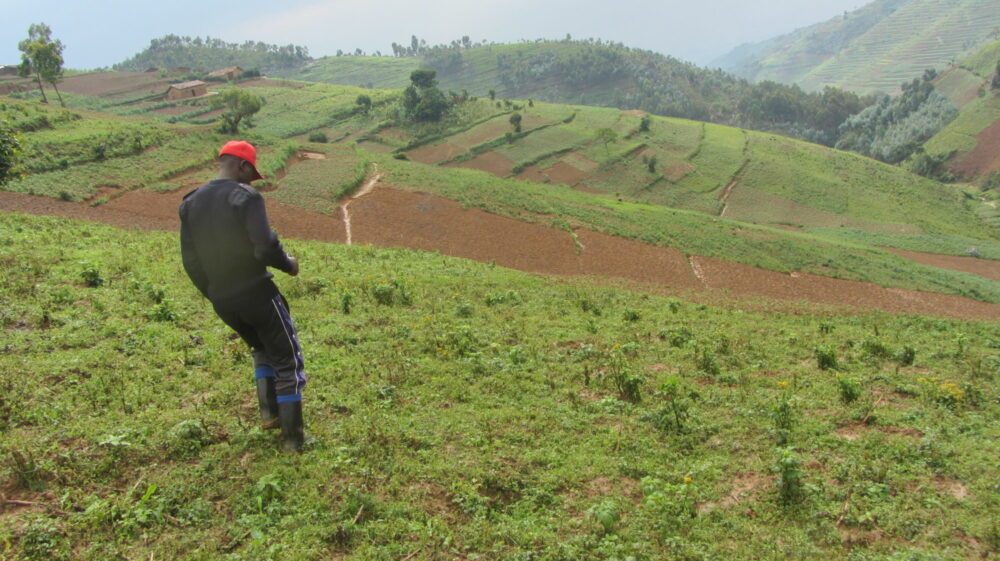
SEI report / This report covers how the water-energy-food security nexus approach can help promote climate-resilient decisions and model actions in Rwanda's Akagera Basin.
SEI brief / This policy brief highlights hotspots in resource use competition in Rwanda that might flare up as resources become increasingly scarce in the future.
SEI brief / This brief calls for China's Belt and Road Initiative to embrace three characteristics: transparency, participation and commitment to international standards.
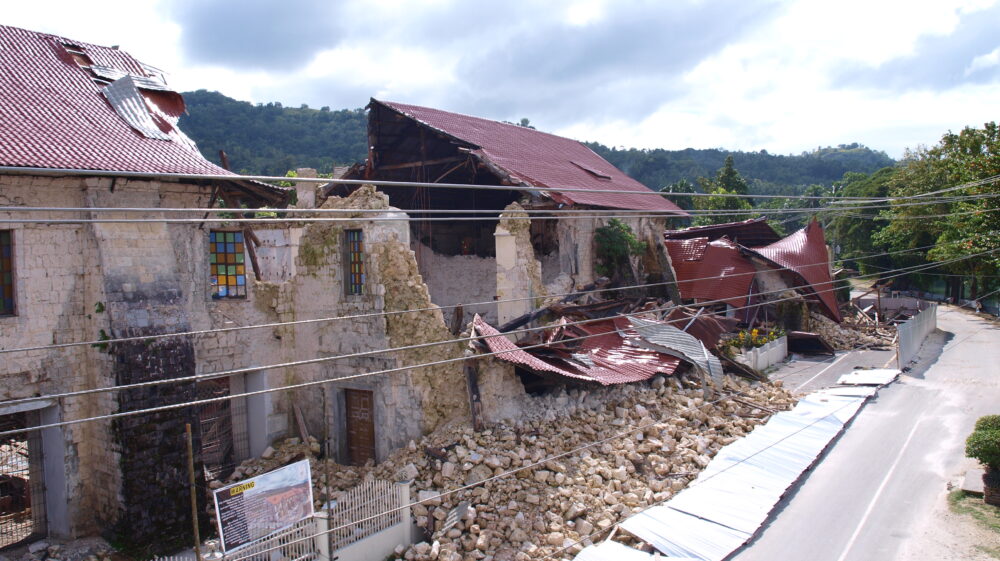
Past event / The new Centre of Excellence on Transforming Development and Disaster Risk is set to launch by co-hosting a Forum and Academy in Bangkok.
Media coverage / Peter du Pont told Eco-Business why there is no place for coal subsidies in today's energy markets of Southeast Asia.
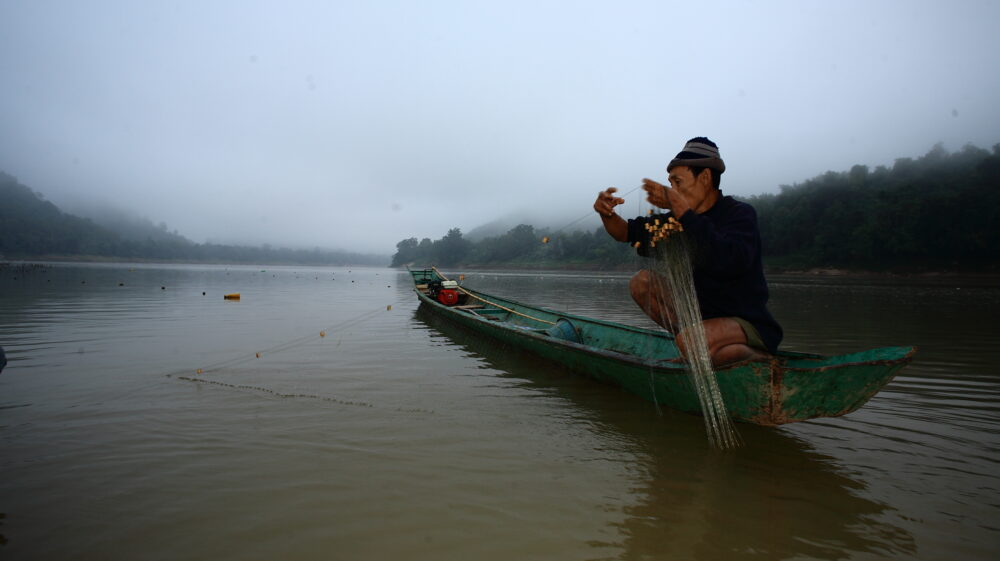
Perspective / The tragedy of the Xepian-Xe Nam hydropower dam collapse in Laos is an opportunity to reflect on how transforming development can reduce disaster risk.
Past event / SEI will participate in World Water Week, the annual focal point for the globe's water issues, which gathers over 3000 people from all over the world.
Perspective / Some stand to lose out in the transition away from fossil fuels unless policies that address inequality and injustice are put in place.
Other publication / This report addresses the research gap on climate change vulnerability of young women and girls, with a focus on agricultural communities in Northern Thailand.
Journal article / Based on discussions with almost 600 people, this paper explores how smallholder rural households can adapt to climate variability and change.
Perspective / Smallholder farmers in the Mekong region face increasingly insecure livelihoods as land resources are drawn into the hands of developers.
Feature / A recent study identifies key indicators of adaptive capacity, allowing climate adaptation efforts to be customised for the needs of farming communities.