Below you can find research, publications, perspectives and events related to SEI Asia.
If you are looking for updates and information from the broader Asia region, please visit our Asia region page.
SEI Asia’s work involves partnership building, policy engagement and communications. Our collaborative partnership approach engages with a diversity of groups and sectors ranging from academia, media and policy to civil society and the private sector. SEI also hosts and partners with environmental events in Asia to build capacity and enable learning in the region.
SEI’s research and policy engagement contributes to Agenda 2030 implementation in the region.
We work with a range of tools and resources to help scientists and policymakers in assessments, surveys, evaluations and decision-support systems.
1246 results / 78 of 104 pages
Feature / Asia Pacific region is failing to meet targets for almost two-thirds of the United Nations Sustainable Development Goals (SDGs).

Feature / SEI Asia has launched the second phase of the Strategic Collaborative Fund, an ambitious programme to increase development cooperation for Asia and the Pacific.
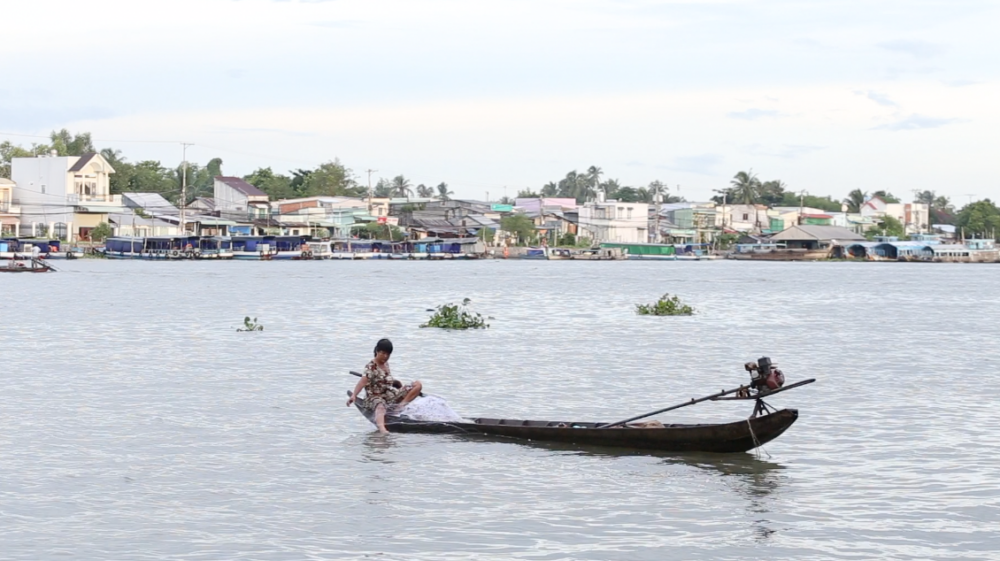
Feature / Can Tho City, the biggest city in the Mekong River Delta, Vietnam, is facing substantial water and climate change challenges.
Journal article / Based on a literature review, here are three opportunities that could lead to transformation in the development-disaster risk relationship.
Perspective / Have climate and gender discussions only called for the inclusion of women without tracing where the power lies?
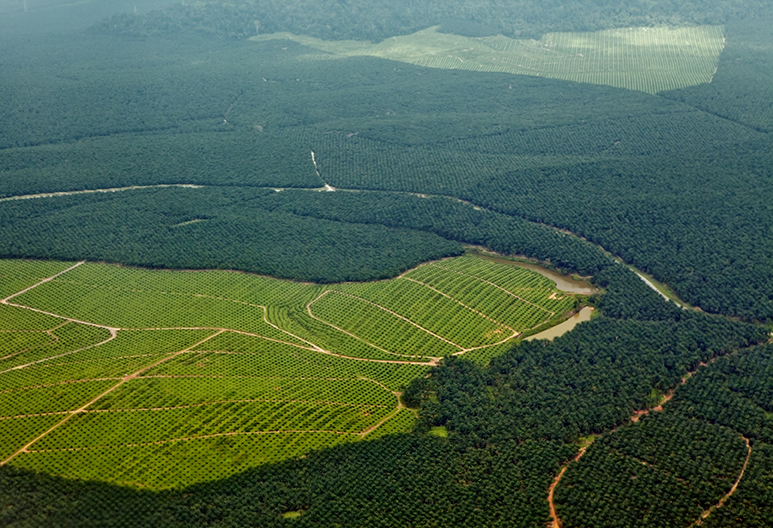
Journal article / Should governments be doing more to keep global palm oil value chains sustainable?
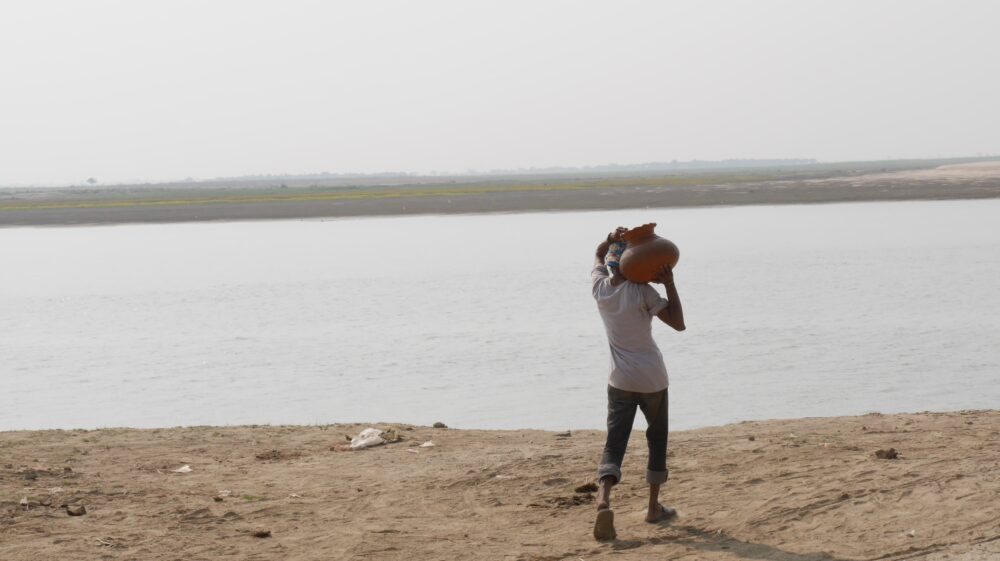
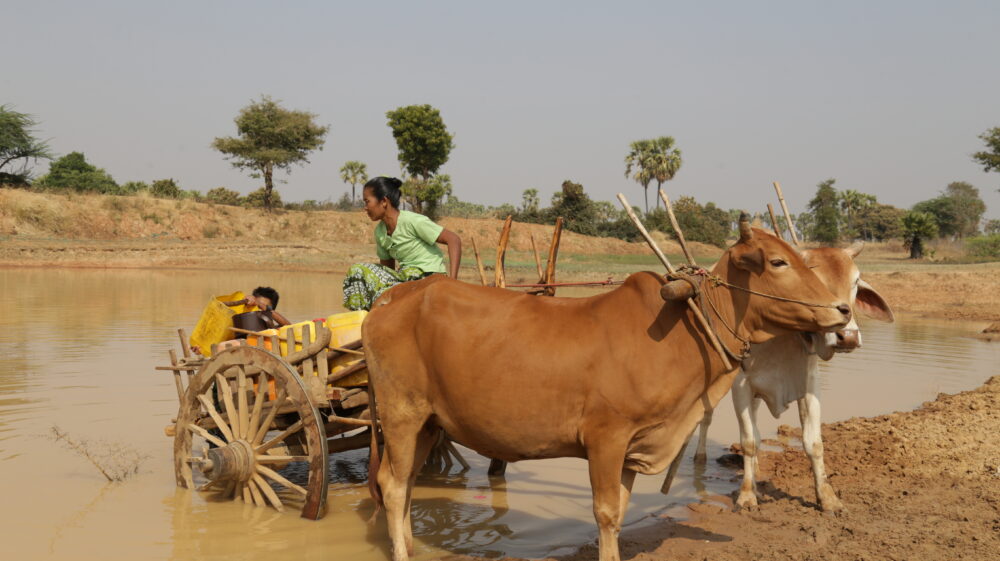
Feature / In the dry and arid central region of Myanmar, climate risks mean more intense and longer dry spells and frequent droughts.
Perspective / Rising ozone levels in the developing world, especially South and East Asia, are more than an urban challenge, posing a threat to agriculture and food security.
Journal article / Drawing on research from Thailand, this paper seeks to understand the ways in which life course, generational, era-defining and developmental change intersect.
Press release / Måns Nilsson takes over as Executive Director of Stockholm Environment Institute in April 2018.
Perspective / Asia Pacific urbanisation has led to increasing waste and emissions and natural capital degradation. A circular economy can address these growing hazards.
Other publication / The Routledge Handbook of Gender and Environment is reviewed by Andreea R. Torre, Research Fellow at SEI Asia.