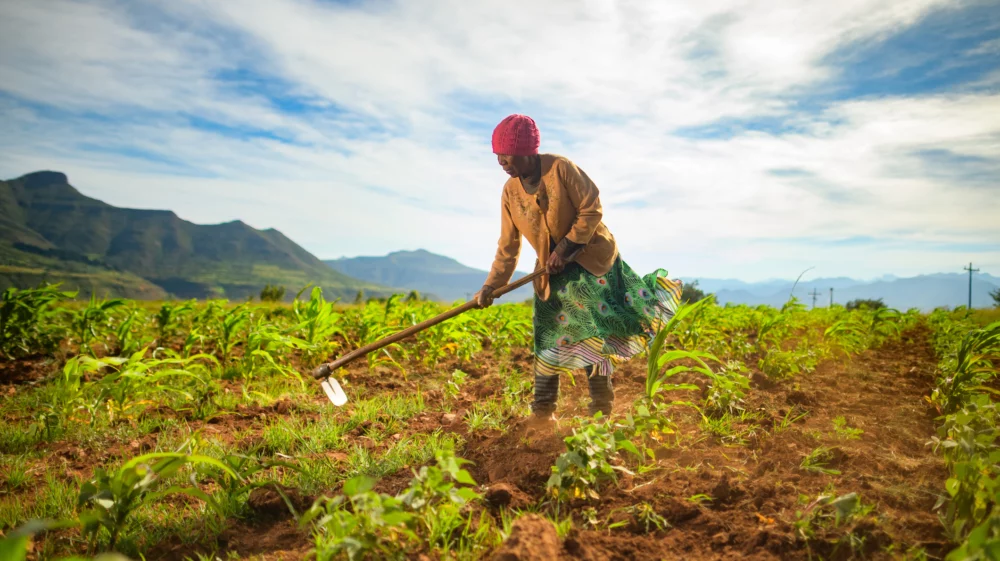
The ASSET Project aims to transform food and agricultural systems in Southeast Asia more sustainable, safer and inclusive, through harnessing the potential of agroecology.
The Agroecology and Safe food System Transitions (ASSET) project is a regional project funded by the Agence Française de Développement (AFD), the European Union (EU), and the Fonds Français pour l’Environnement Mondial (FFEM) over five years from 2020 to 2025 in four targeted countries: Cambodia, Laos PDR, Myanmar, and Vietnam. The project aims at developing and promoting a shared vision of the agroecological and safe food system transitions at South-east Asian level.
The project is coordinated by GRET in a strong articulation with CIRAD, in charge of the scientific coordination, the project will mobilize the expertise of 27 national, European and International partners, from research institutions, universities, NGOs, UN agencies, Ministries of Agriculture of the four countries. The project acts within the three overlapping spheres of influence, namely the societal sphere (citizen awareness and possible demands for safe agro-ecological products), the policy sphere (enabling environment at local, national and regional levels), and the technical and economic spheres (agroecological and safe food system innovations at territorial level in flagship sites).
Spheres of influence: societal sphere (citizen awareness and possible demands for safe agro-ecological products), the policy sphere (enabling environment at local, national and regional levels), and the technical and economic spheres (agroecological and safe food system innovations at territorial level in flagship sites). Graphic: Graphic: Bioversity International.
The overall objective is to make food and agricultural systems in Southeast Asia more sustainable, safer, and inclusive through harnessing the potential of agroecology to transform them. This will be achieved through synergizing initiatives contributing to ASSET from local to regional levels.
The project will build upon:
It will engage with governments, civil society and the private sector (including small producers) to generate and transform knowledge into sustainable innovation processes and transformative policies, sensitive to youth and gender equality.
To achieve this, the project pursues the following specific operational goals:
Impact-oriented stakeholder engagement into agroecology and safe food system transitions
Scaling up agroecological and safe food innovations from local to regional levels
SEI contributes to two sub-components (SC) of the project:
(a) SC.1.3.d. – the development and implementation of capacity building on gender equality and empowerment strategy for ASSET partners; and
(b) SC.2.2. – the development of a methodological framework for assessing performances, impacts, and enabling conditions of agroecological innovations and transitions, in which systematic literature review was employed as the key method.
The partners are requested to add how they are involved with the ASSET project briefly along with above mentioned key elements.


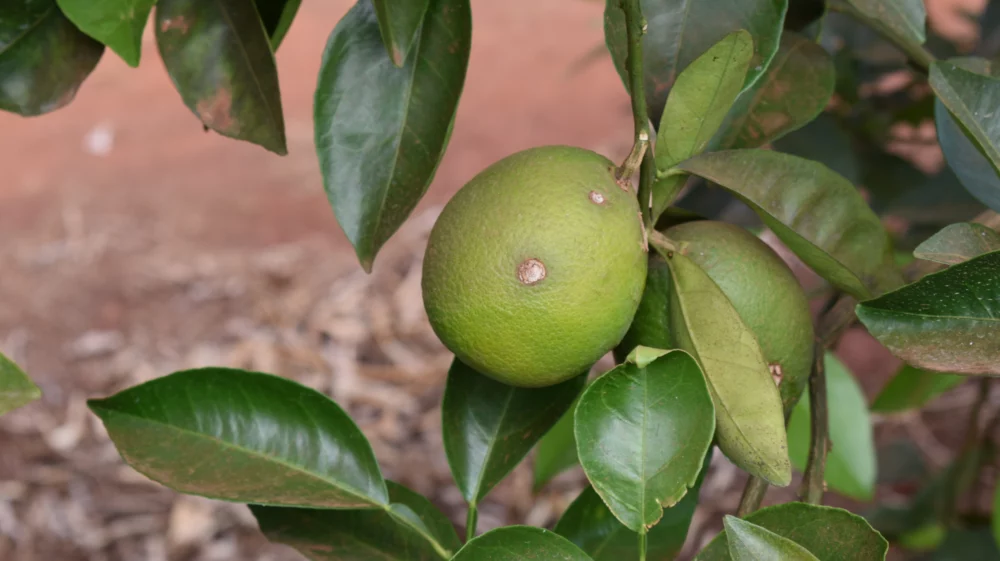
Perspective / Tropical fruits and are especially affected by lack of access to protection tools. Integrated pest management could offer a sustainable way forward.
Other publication / This leaflet illustrates how Maramche Agroecological Village applies the 13 agroecological principles in practical farming settings.
Past event / Join us at the Agri4D conference on 24 September to learn more about transformative approaches to build sustainable and resilient food systems.