SEI Asia and partners are supporting local communities in Myanmar’s Upper Chindwin River Basin with community-based water and resource management and biodiversity conservation.

Birds in the Bank of Khamti Town Photo: SEI Asia
The Upper Chindwin River’s Key Biodiversity Area (KBA) serves as a habitat for endangered species within Myanmar. The KBA encompasses Hkamti Township, which harbors 38 freshwater species currently facing threats. Among these species are the Batagur trivittata (Burmese Roofed Turtle) and Puntius manipurensis, Schistura kangjupkhulensis, and Schistura reticulate, all of which are classified as Critically Endangered or Endangered by the International Union for Conservation of Nature (IUCN) in 2017.
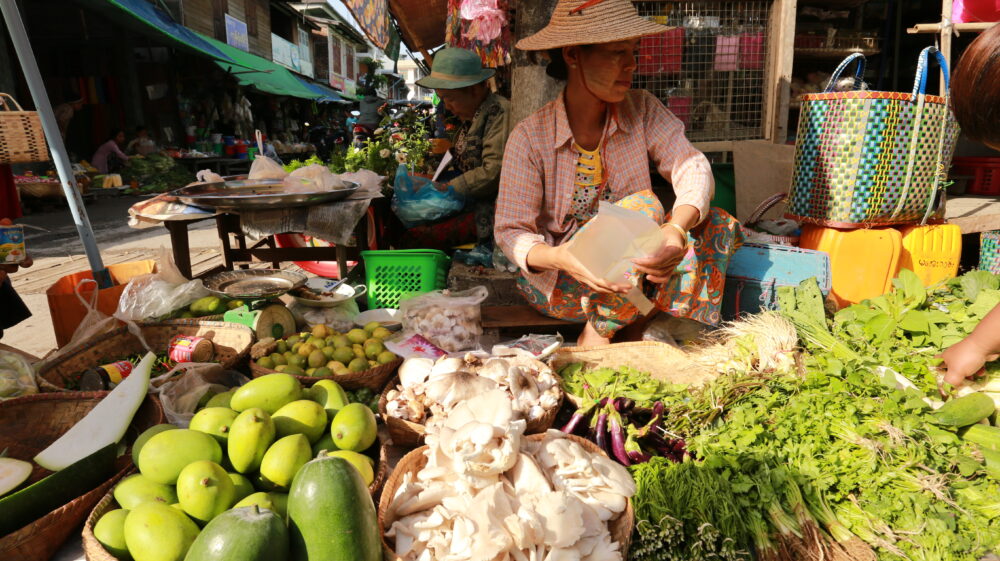
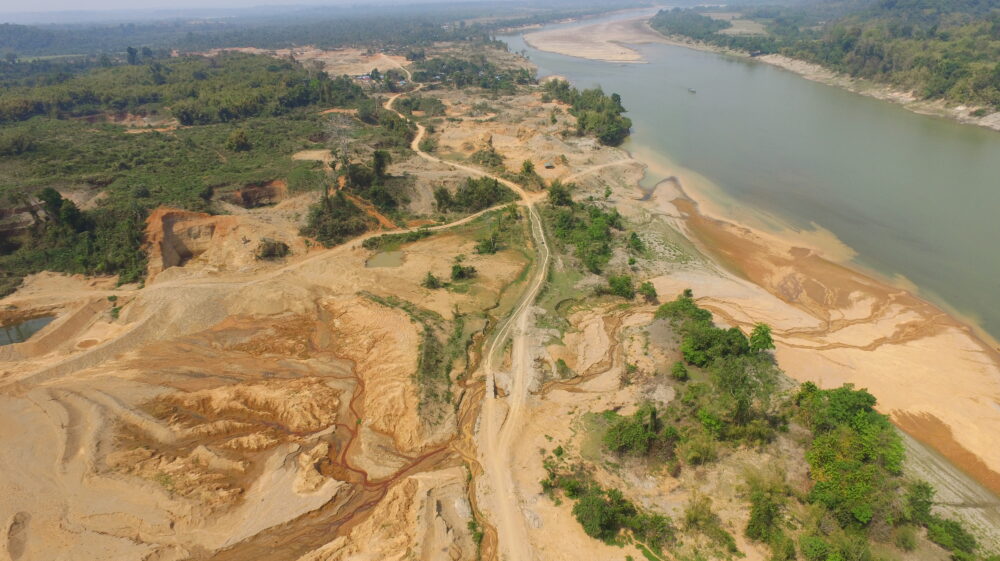
The town of Hkamti, situated along the Chindwin River, is characterized by several tributaries and streams that provide ample freshwater resources. The wetlands of this area hold significant value in terms of the resources and their contribution to the economic sustenance of the local population. These highly productive wetland ecosystems offer diverse habitats for a wide array of flora and fauna. The degradation of wetlands has been observed for several years, resulting from both natural and anthropogenic factors. Under anthropogenic pressure, the function and services of these ecosystems have deteriorated.
This practical action plan is being developed to address improper land and water management practices in the priority wetlands and associated villages. In addition, community-driven initiatives have the potential to sustain current livelihoods in an environmentally responsible manner through wetland conservation, rehabilitation, capacity-building, and awareness-raising programs (CEPA). Based on the research and expert deliberations, the favored approaches or actions include pisciculture, pig farming, provision of seed capital for rice and groundnut production, and financial support for land acquisition and tenure.
Perspective / SEI is working with local communities in the wetlands of Myanmar’s Upper Chindwin Basin to promote biodiversity conservation and resource management.
Perspective / For International Biodiversity Day, SEI Asia researchers reflect on the challenges in conserving biodiversity in the wetlands of Myanmar's Chindwin River Basin.
The significant information on habitat and biodiversity, livelihood type, the community depending on wetland resources and their utilization, and critical species required to conserve have been described in each wetland fact sheet. The fact sheets can be accessed below:
SEI brief / These two policy briefs explore policy challenges for biodiversity conservation in the Chindwin River Basin in Myanmar.
Other publication / This socio-ecological assessment of the Chindwin River Basin in Myanmar shows it is facing huge changes that can both benefit and harm vulnerable communities.
SEI brief / This brief explores ideas for enhancing community-based conservation in the Chindwin River Basin.
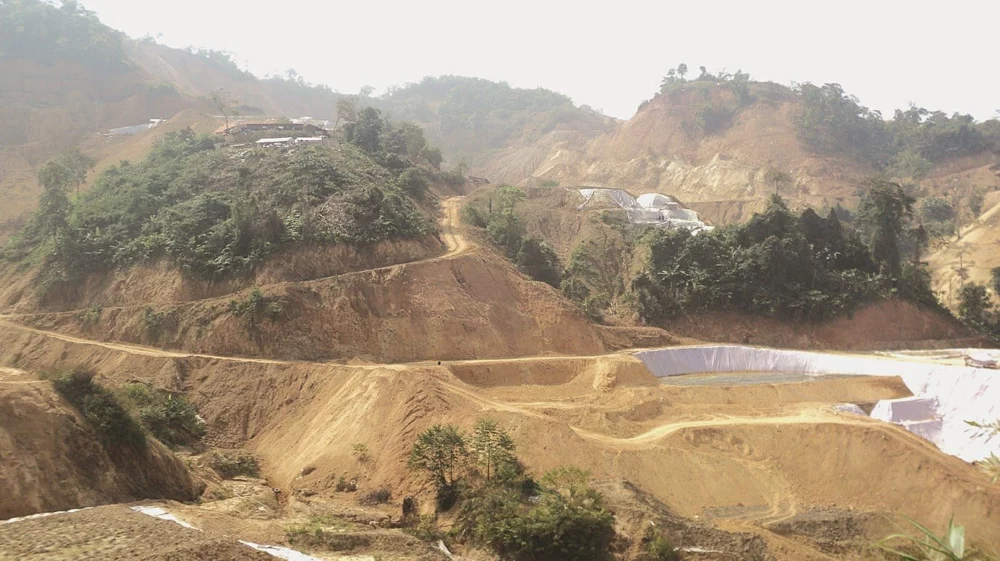
The project undertook rapid village assessments (RVA) in the priority villages as part of the project’s goals to preserve ecosystems to support livelihoods and implement community measures for the conservation of wetlands. The results of the RVA are intended to help prioritize villages for the next state of project activities, including more in-depth surveys and the development of Community Action Plans (CAP) to establish sustainable agricultural, mining and water management practices.
In July 2022, a survey was conducted in five priority wetlands and dependent villages. This survey aimed to develop a baseline for socioeconomics, biodiversity, and physical parameters, which would inform the development of Community Action Plans (CAPs) for livelihood enhancement and biodiversity conservation.
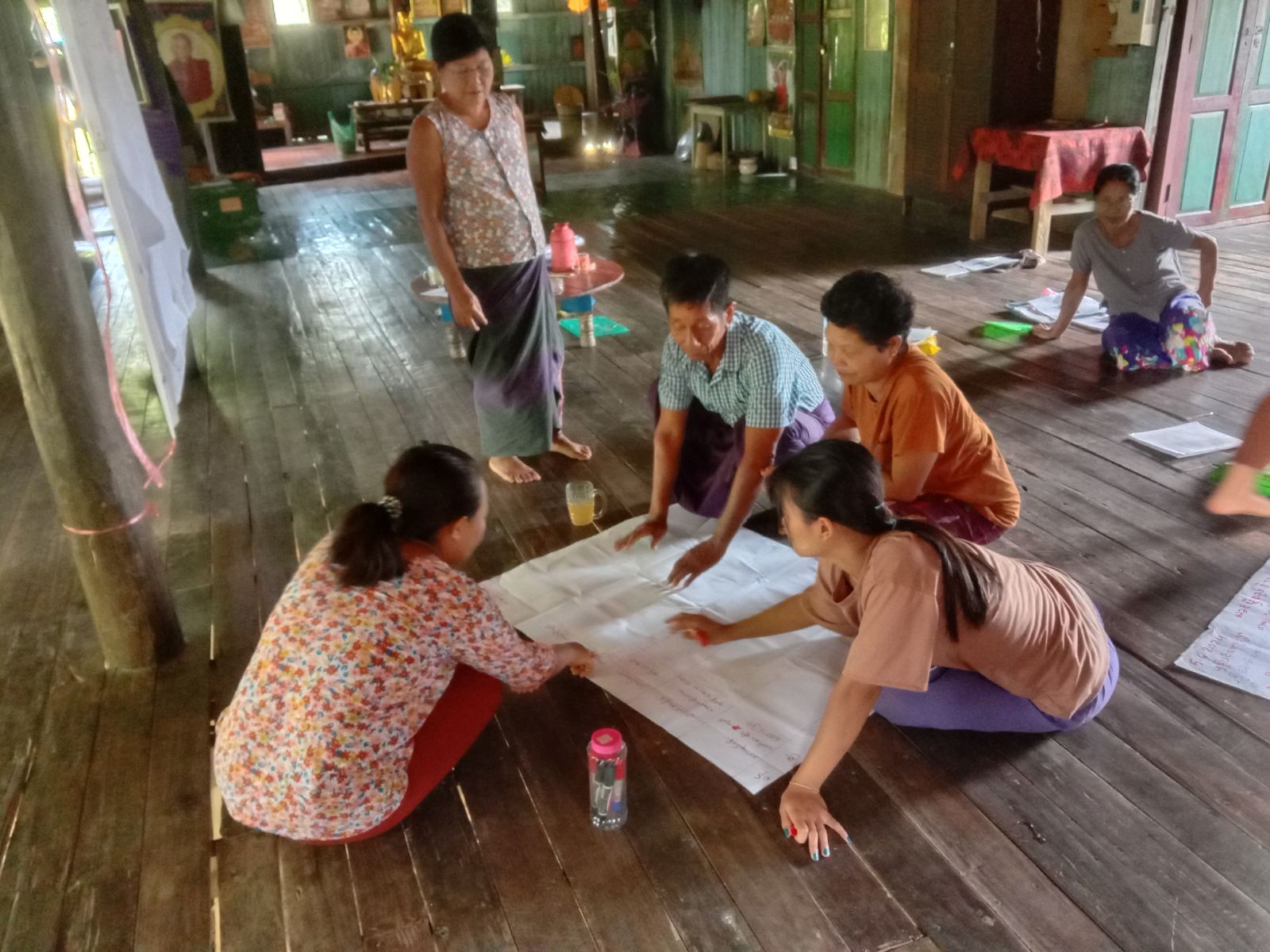
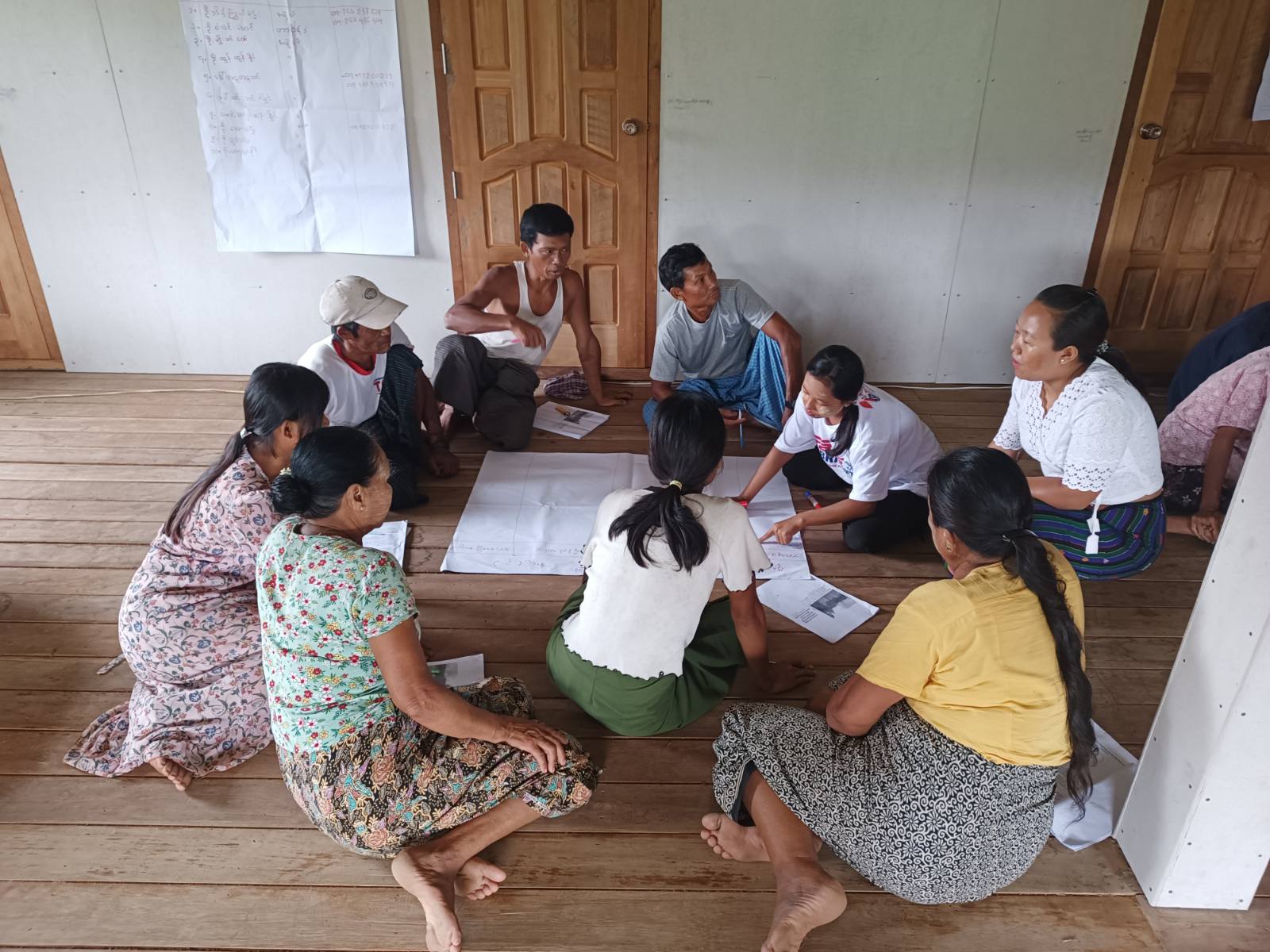
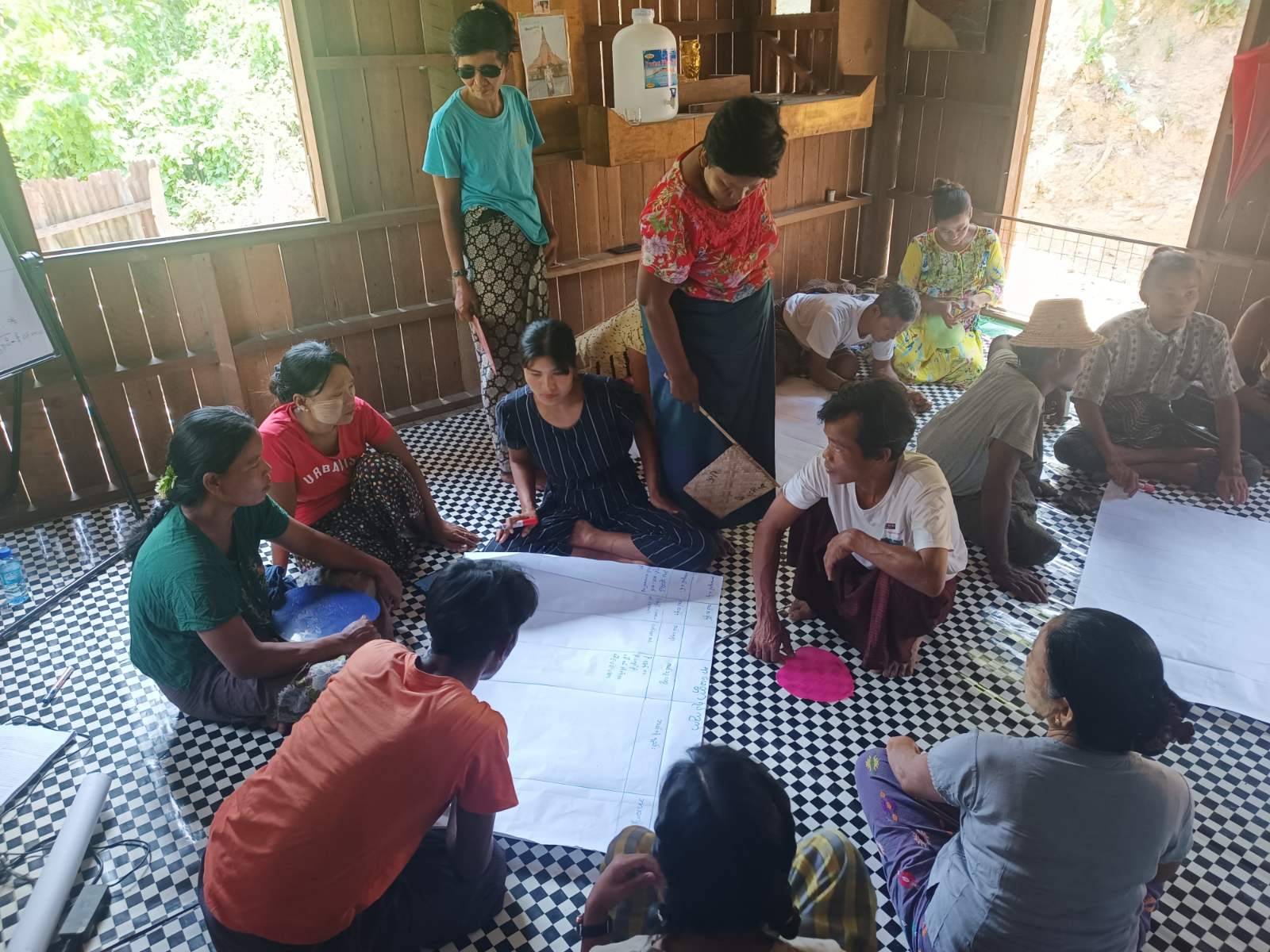
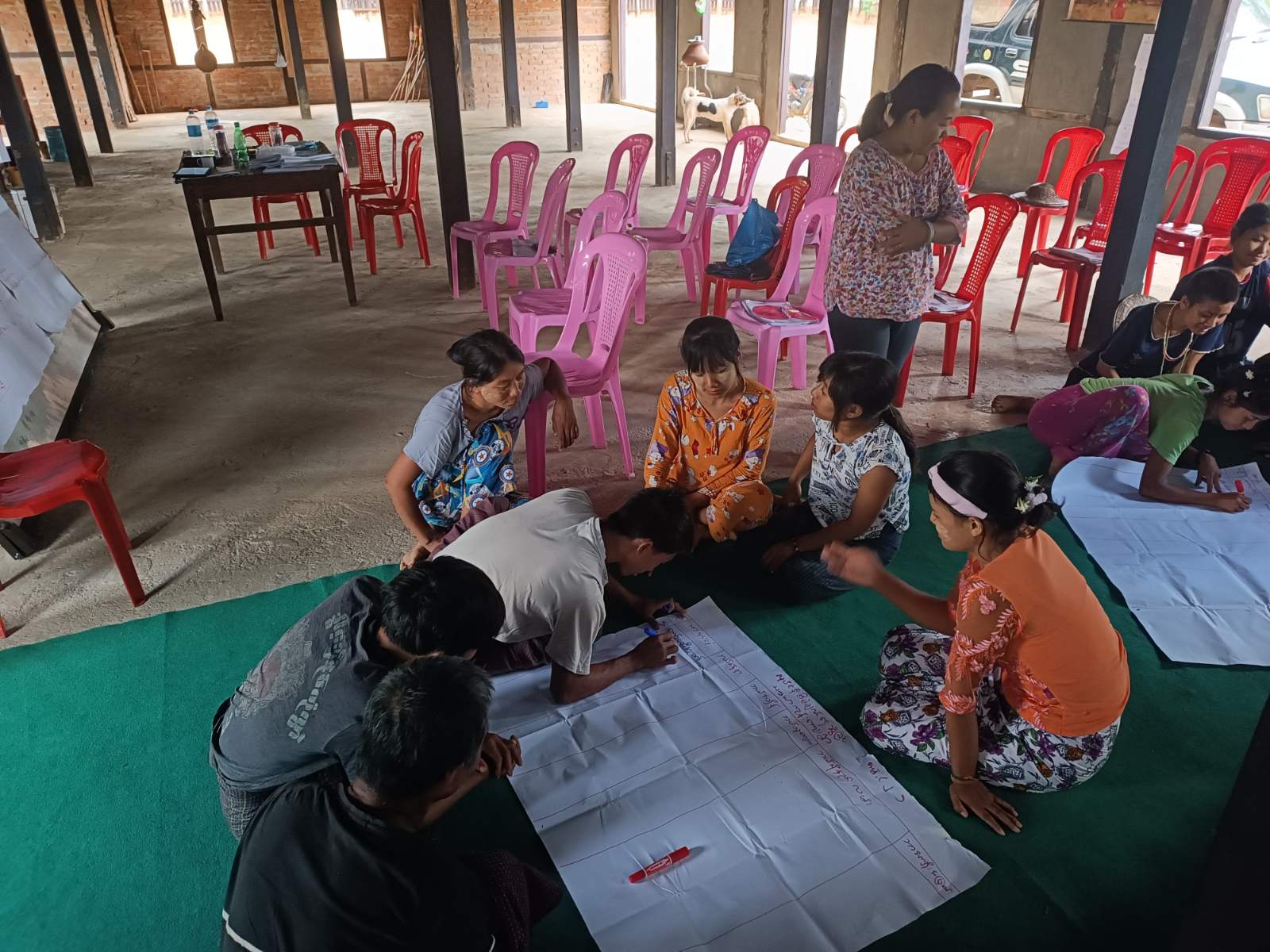
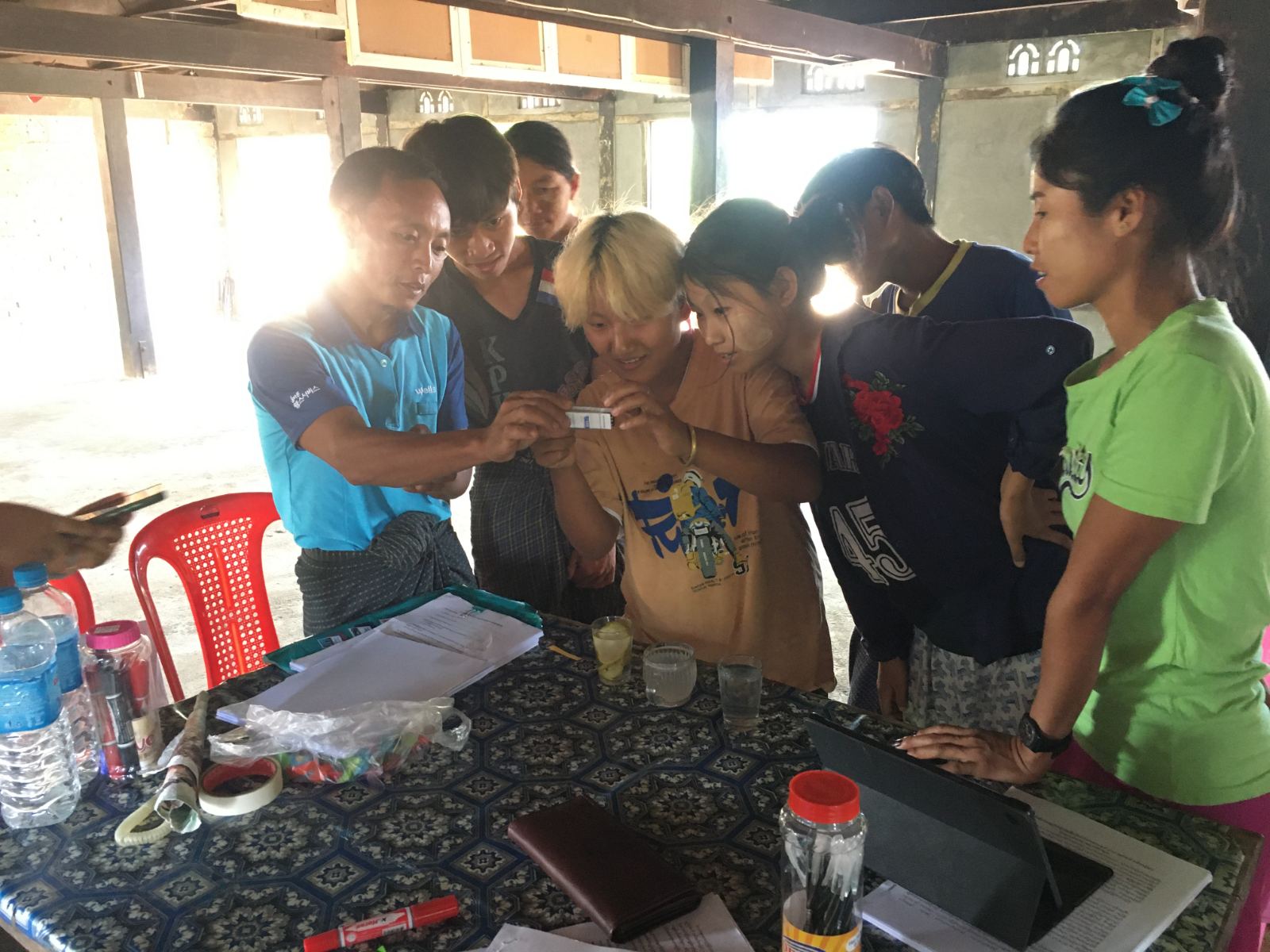
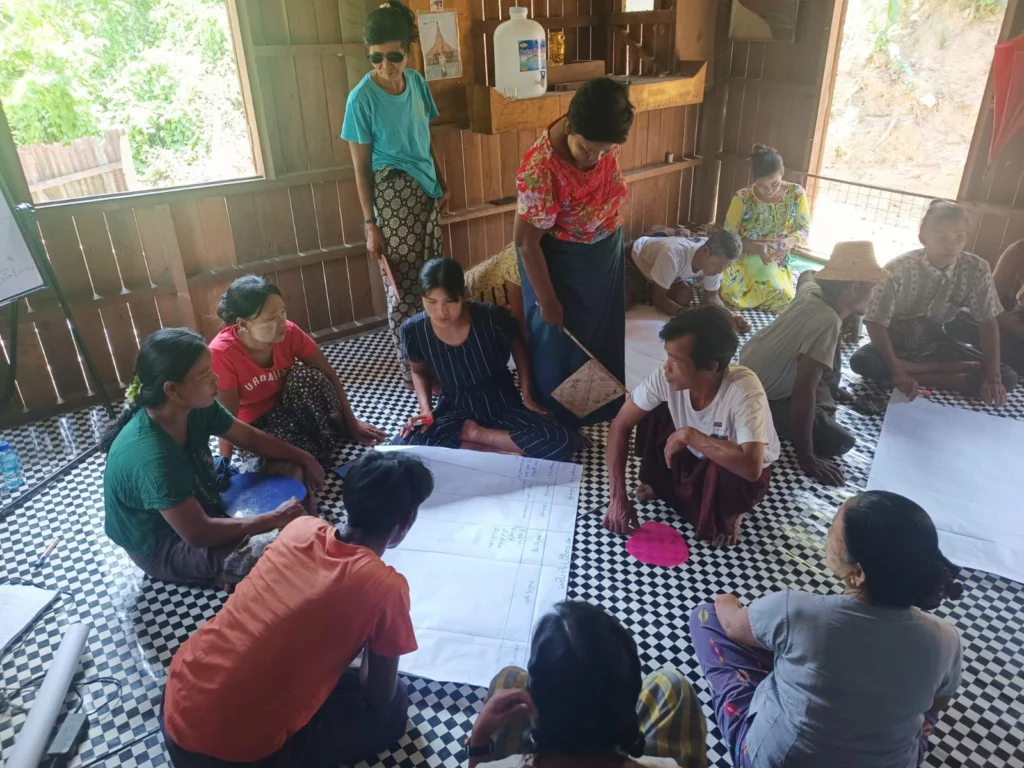
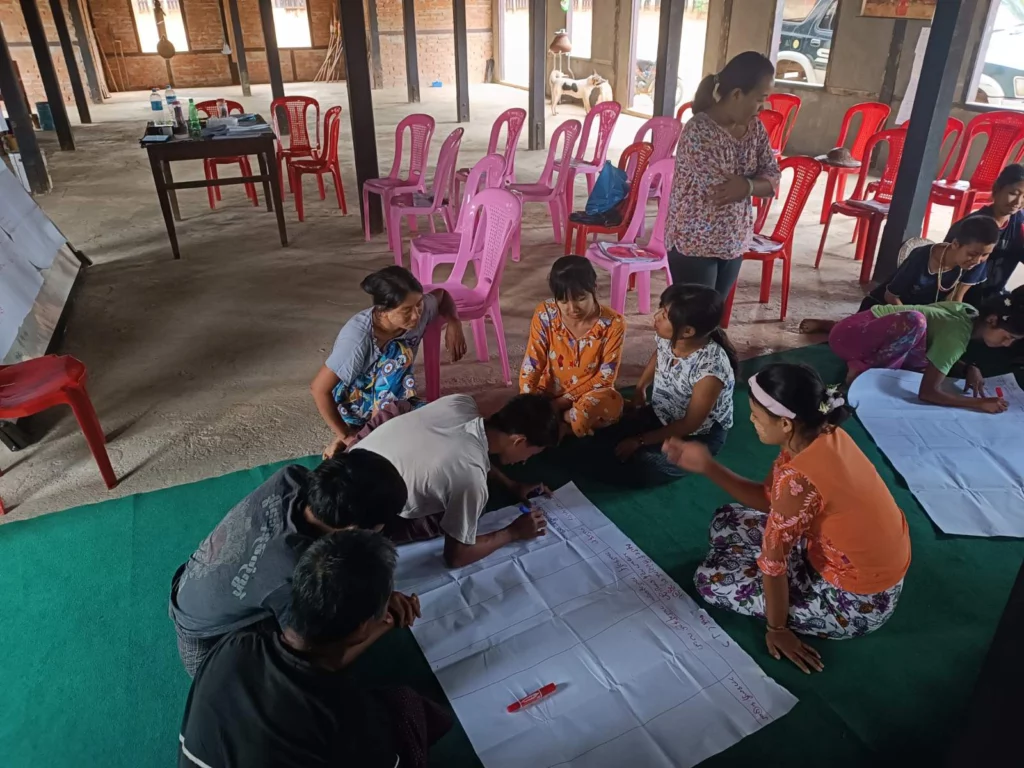
Data collection involved focus group discussions and in-depth surveys. Village Working Committees were also set up in each village to be engaged throughout to guide project activities.

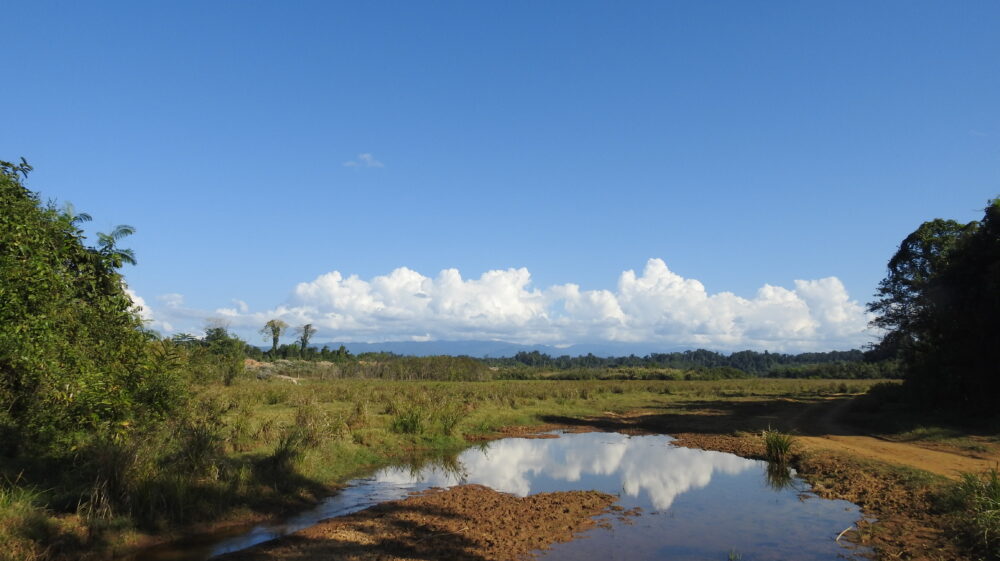
Wetland at Tharyar Kone Village. Photo: Naga Social network organization (NSNO).

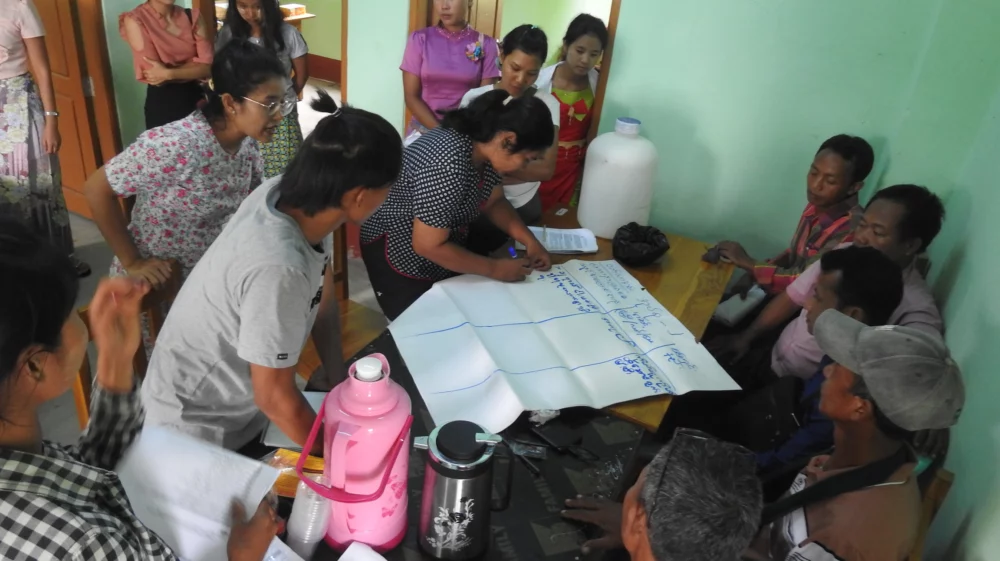
Focus group discussion at Nar Mittyar Village. Photo: Myanmar Environment Institute (MEI).

Focus group discussion at Phaung Saing Village. Photo: Myanmar Environment Institute (MEI).
The project’s next steps will be to develop the CAPs and build local capacity to implement livelihood options and conservation activities. A follow-up biodiversity and biophysical wetland survey will be undertaken in the fourth quarter of 2023.
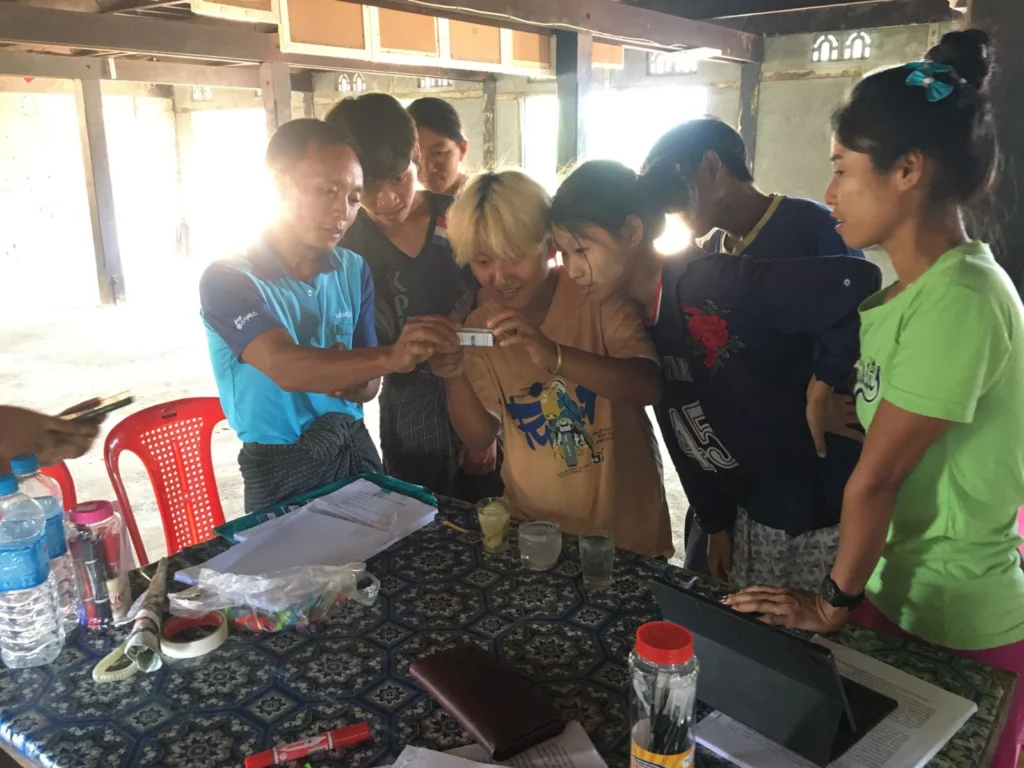
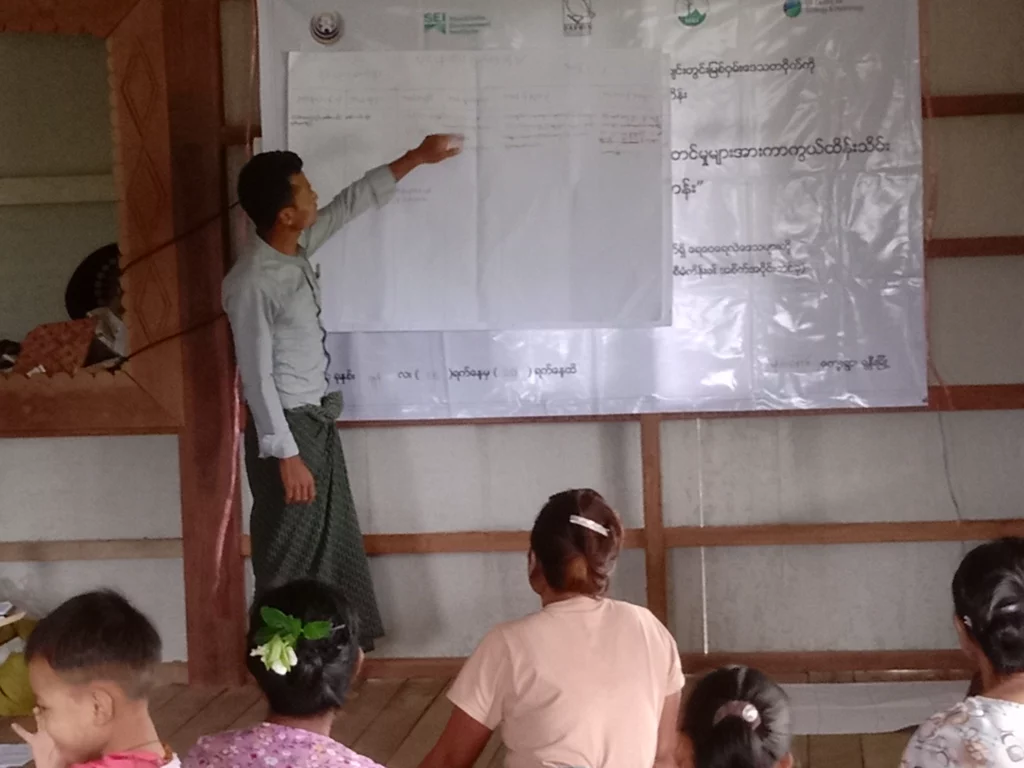
The training of trainers (TOT) was organized to build the capacity of our local partner, Naga Social Network Organization (NSNO) team members on specific topics including 1. wetland conservation, 2. small-scale fish farming, aquaculture and food processing of fish-product, 3. biodiversity and ecosystem services in the year of 2023 and 2024. The comprehensive training took 3-4 days for each topic to ensure a good understanding of the course materials and the role of resource persons.
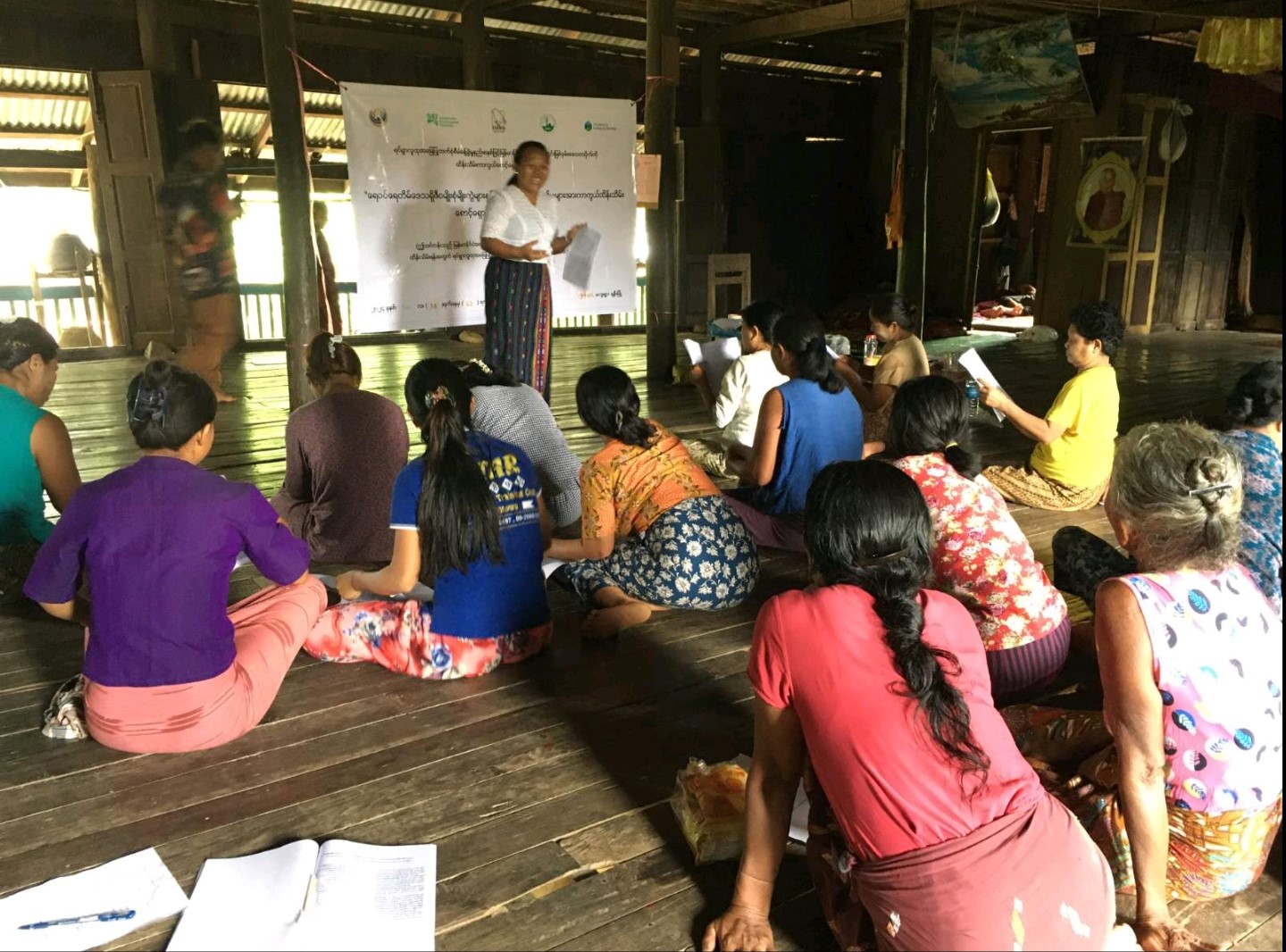
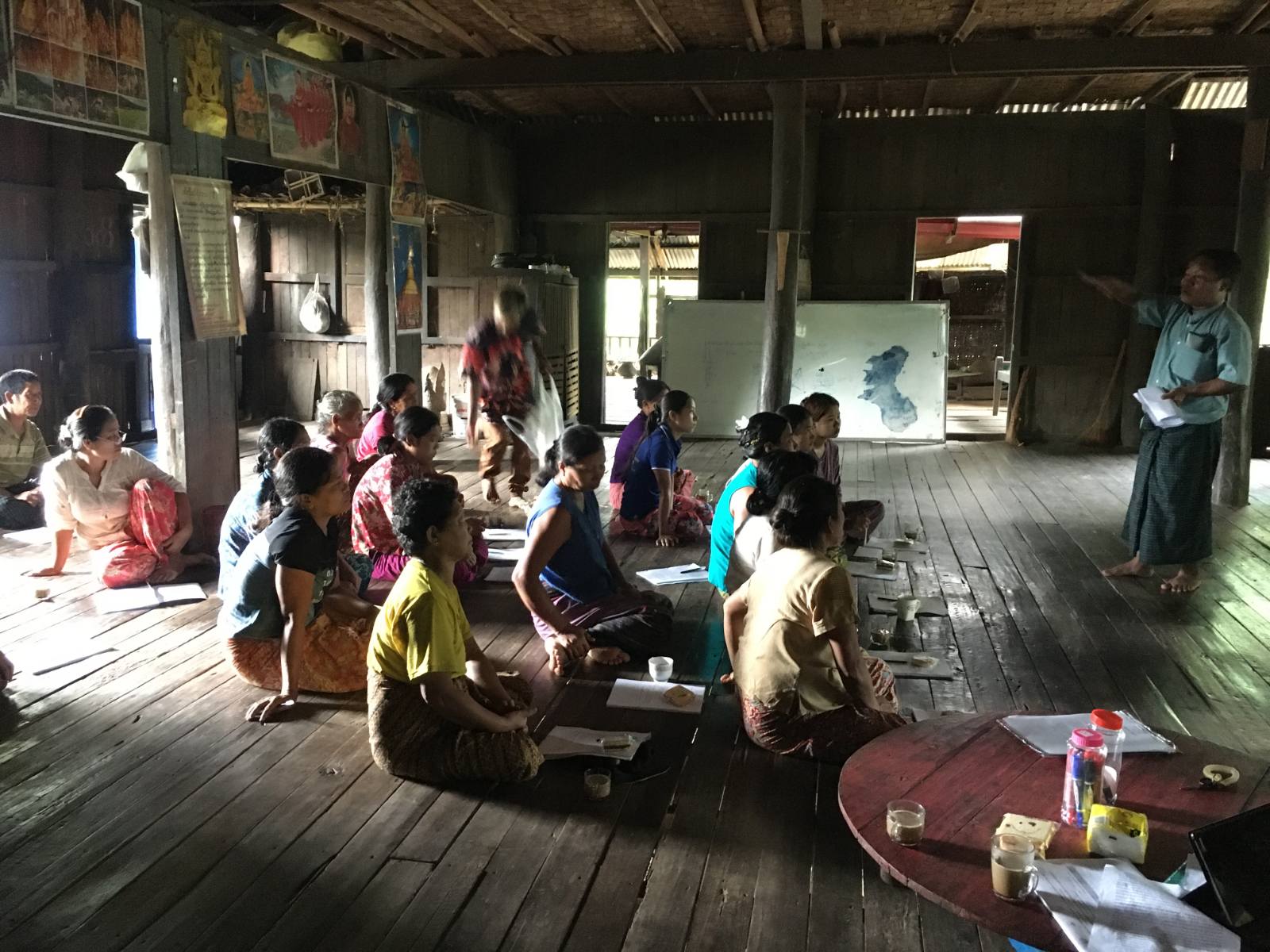
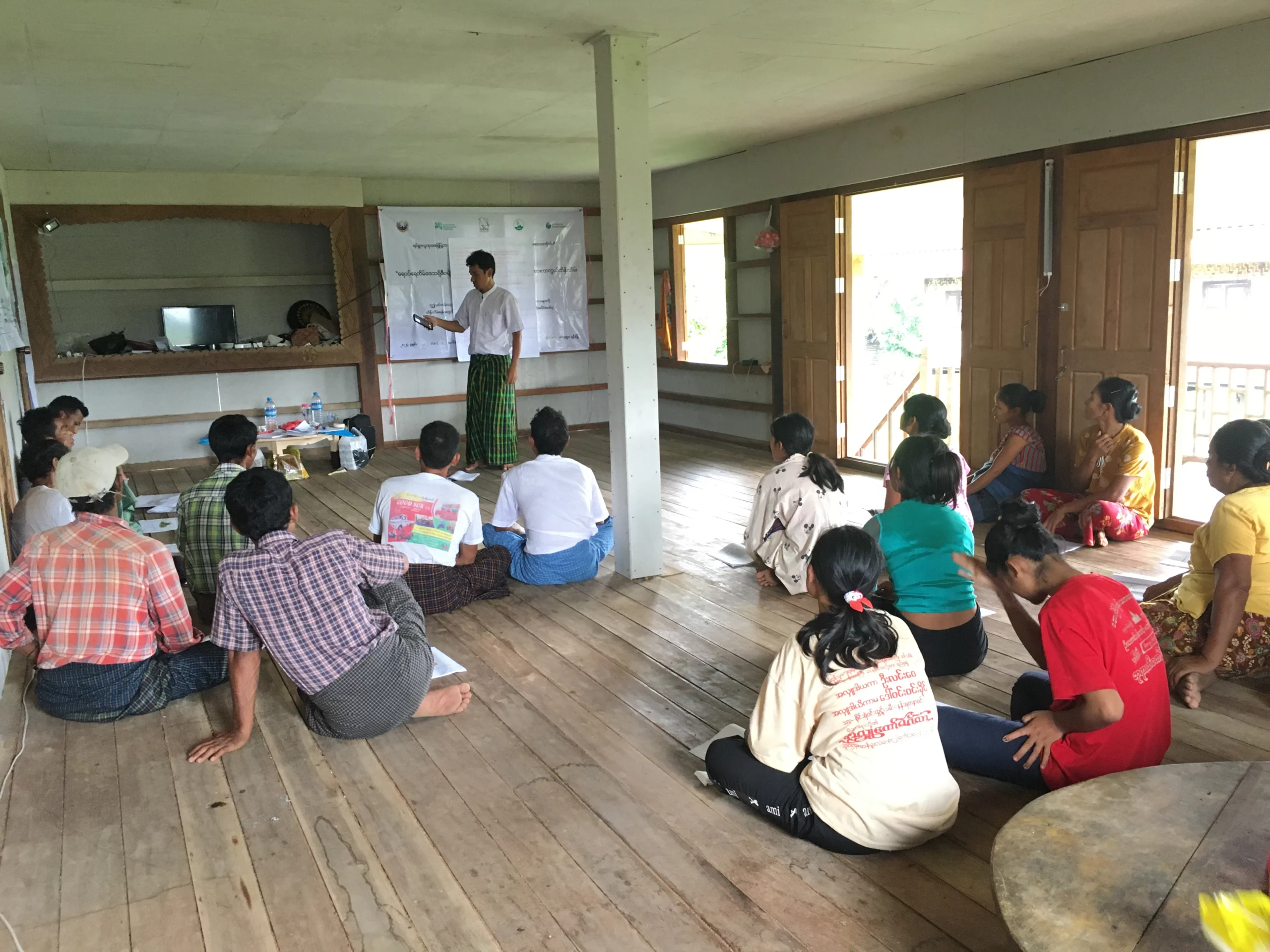
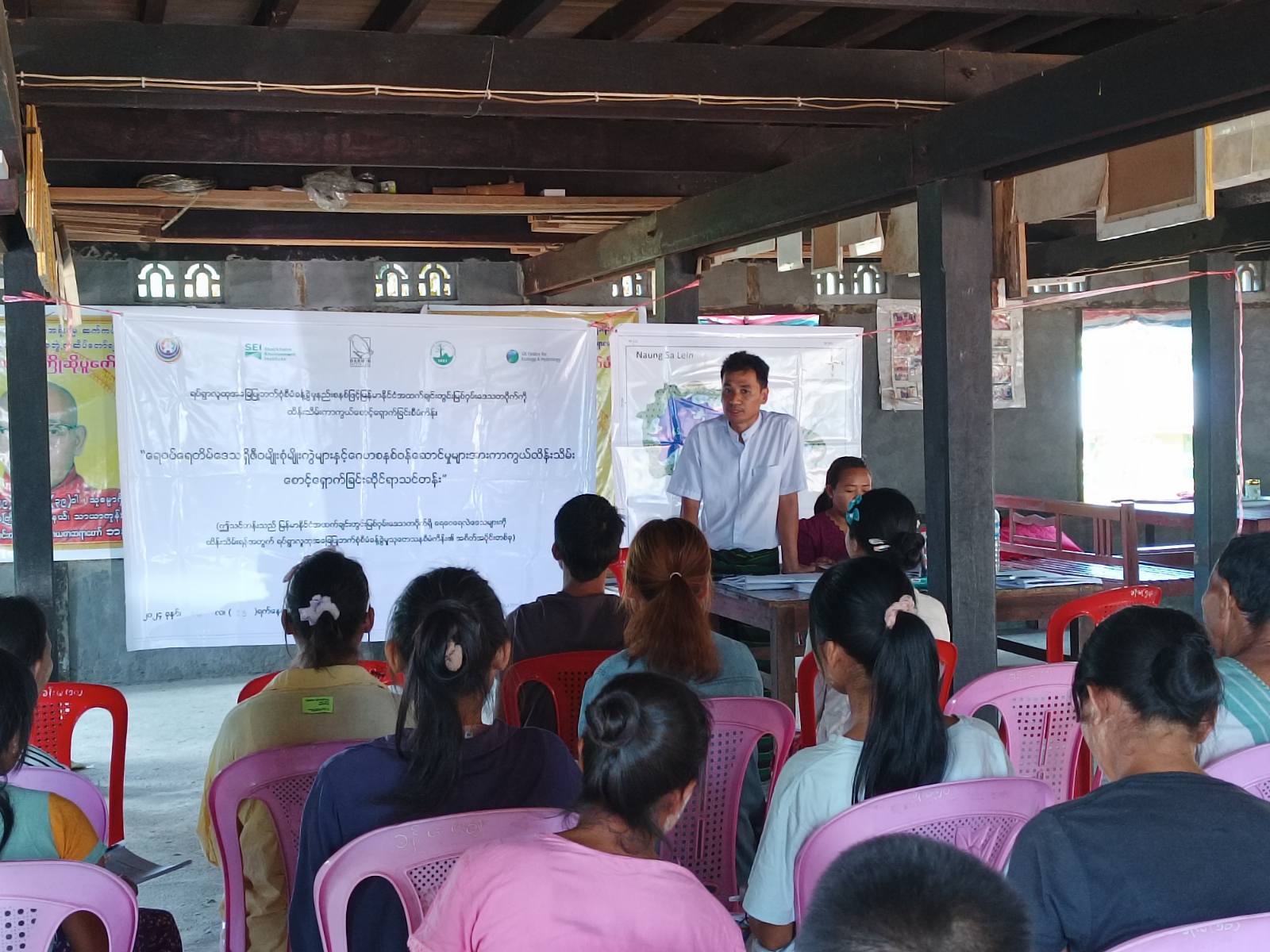
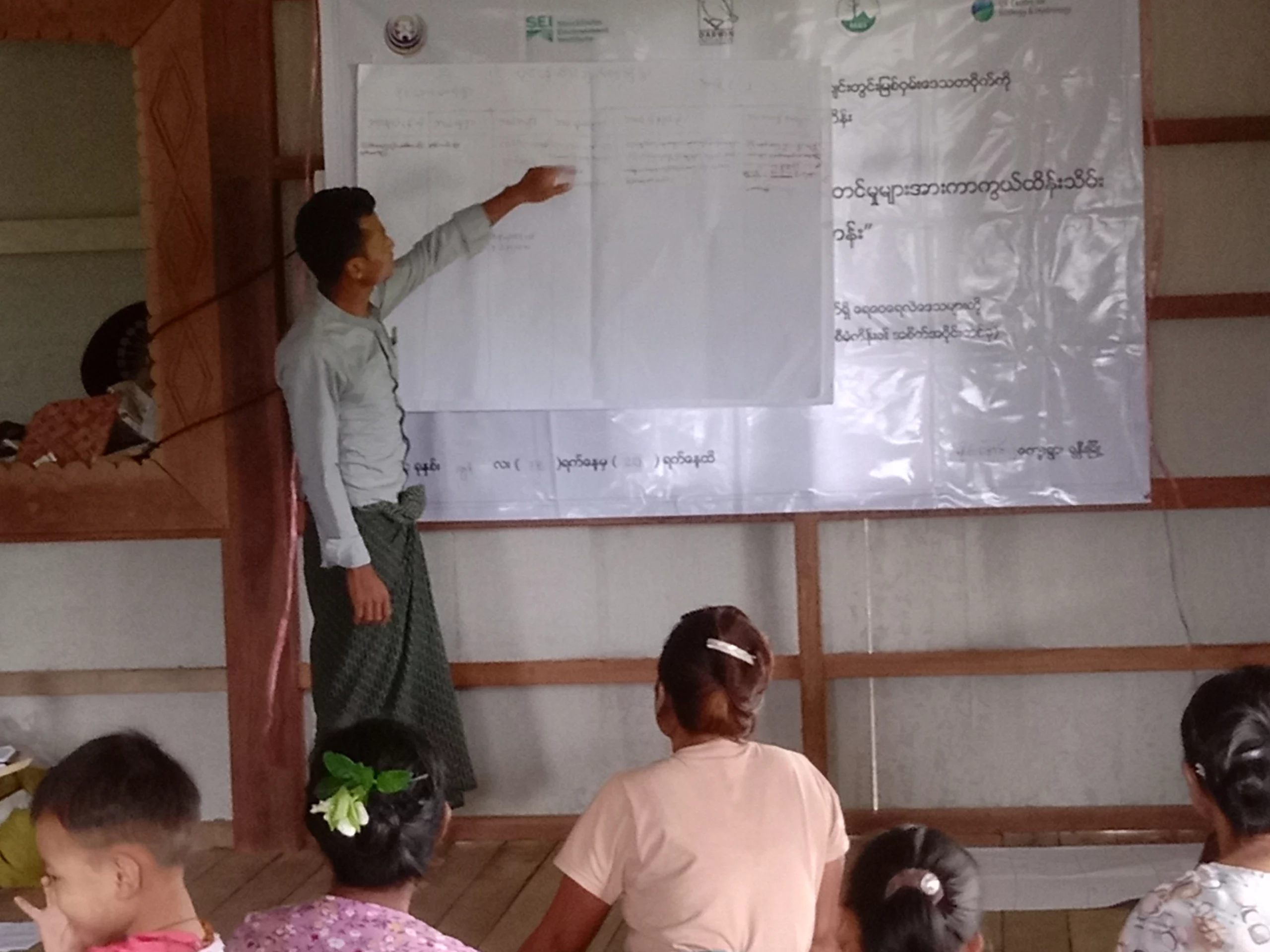
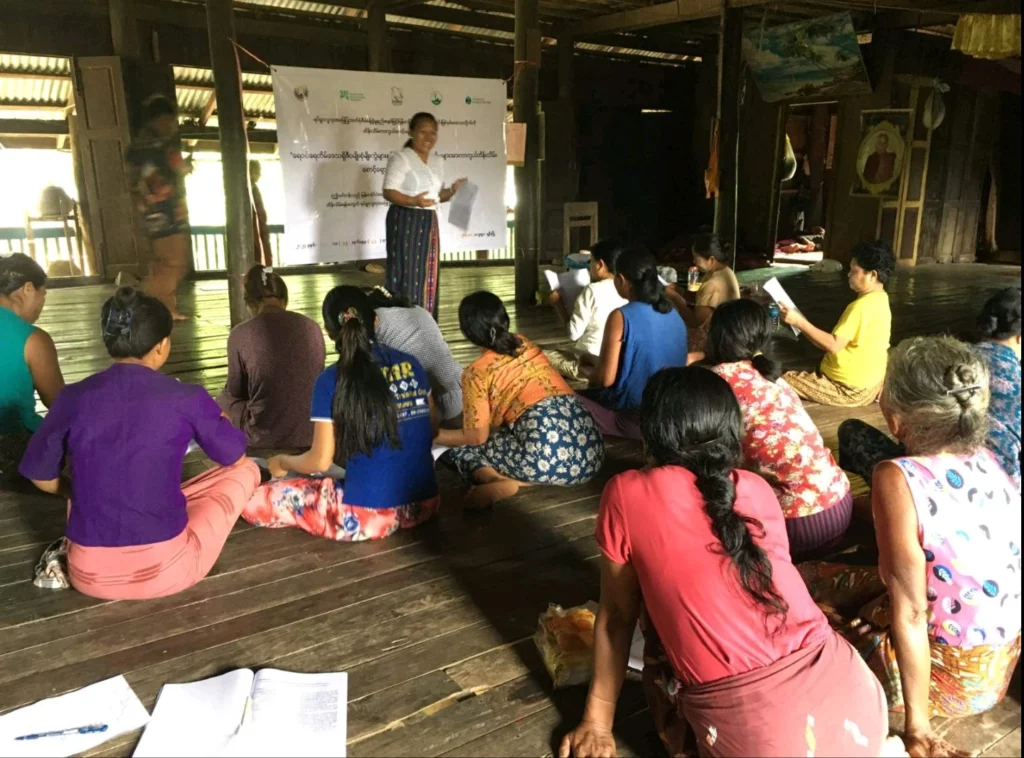
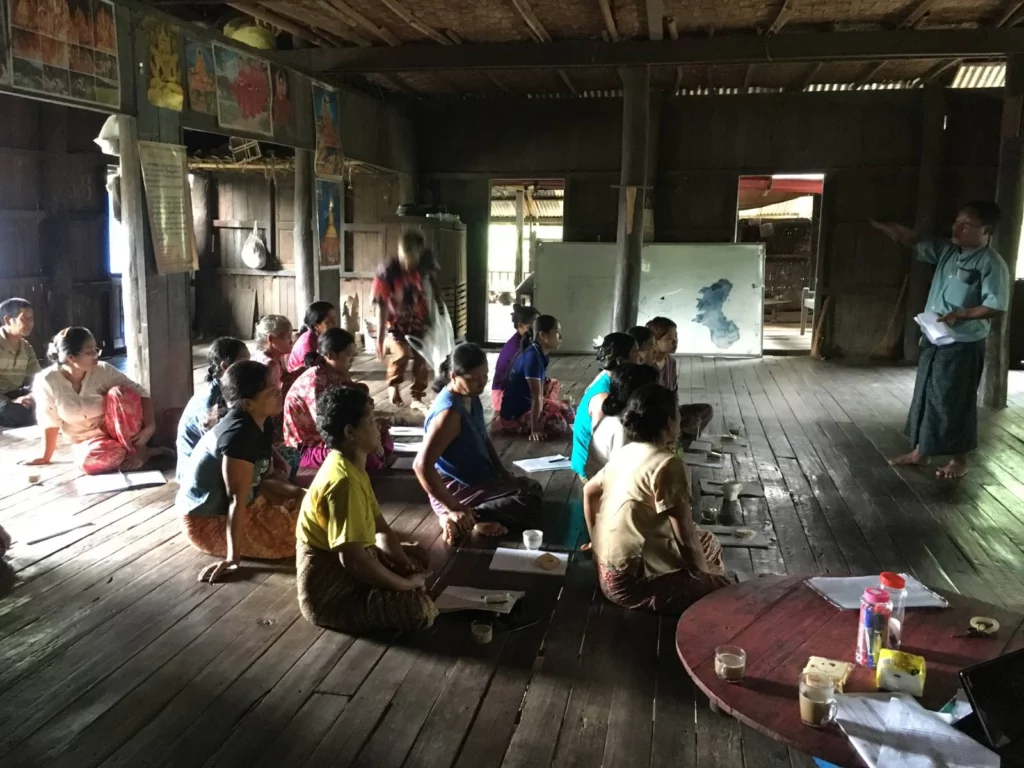
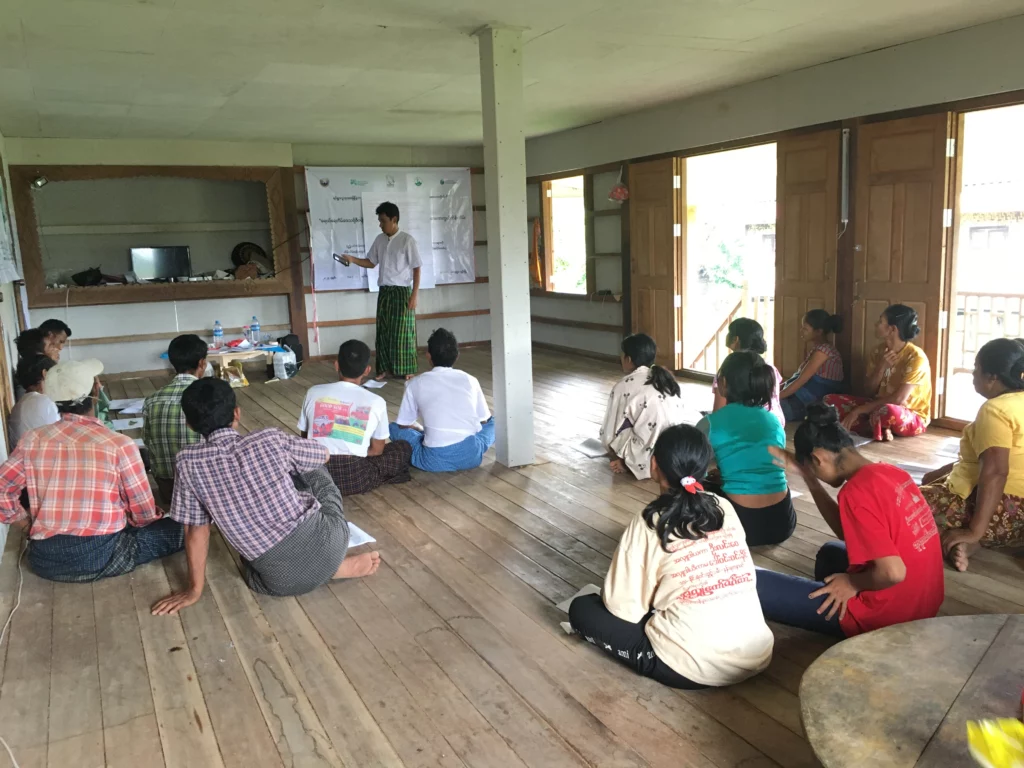
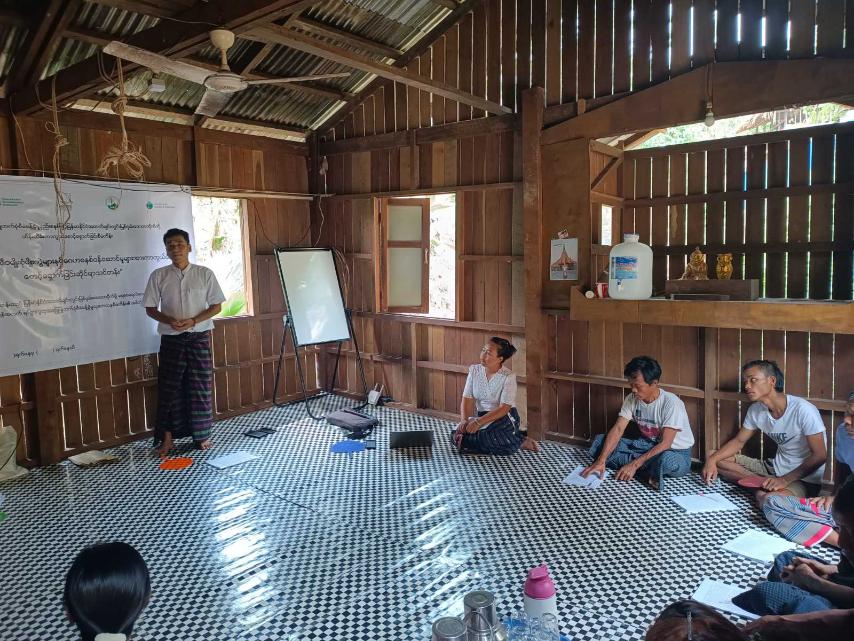
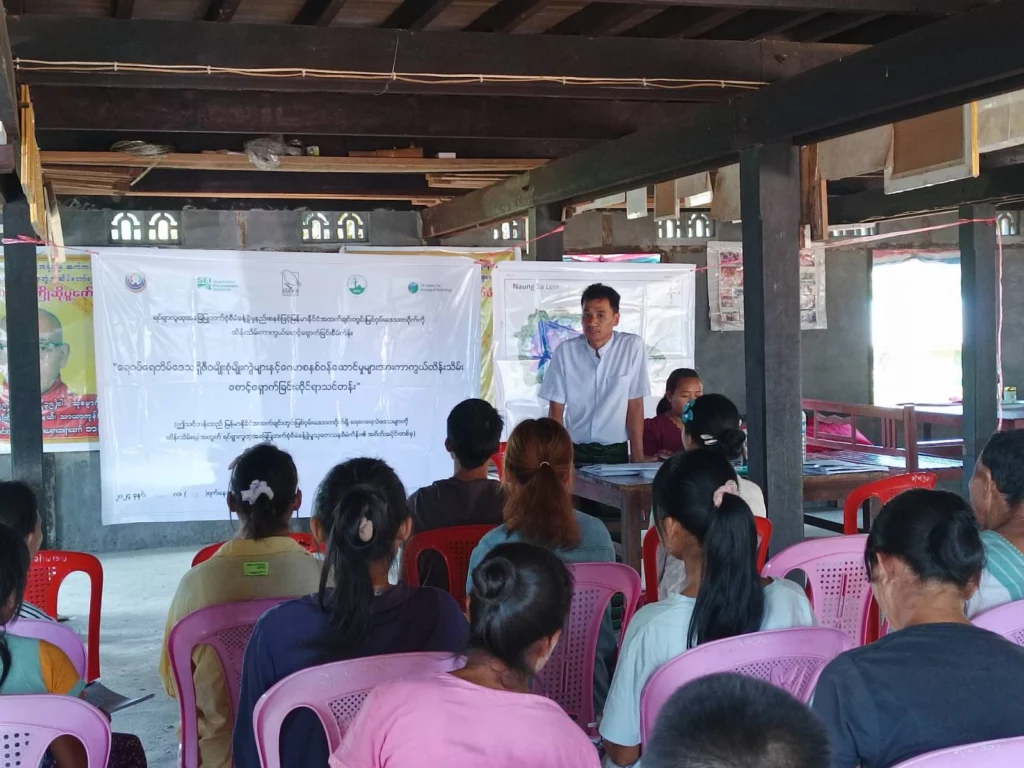
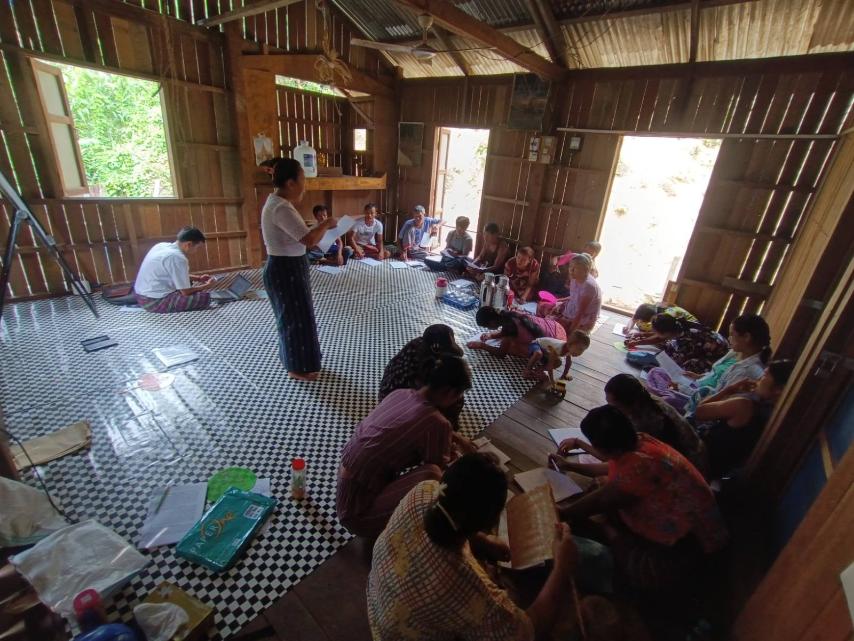
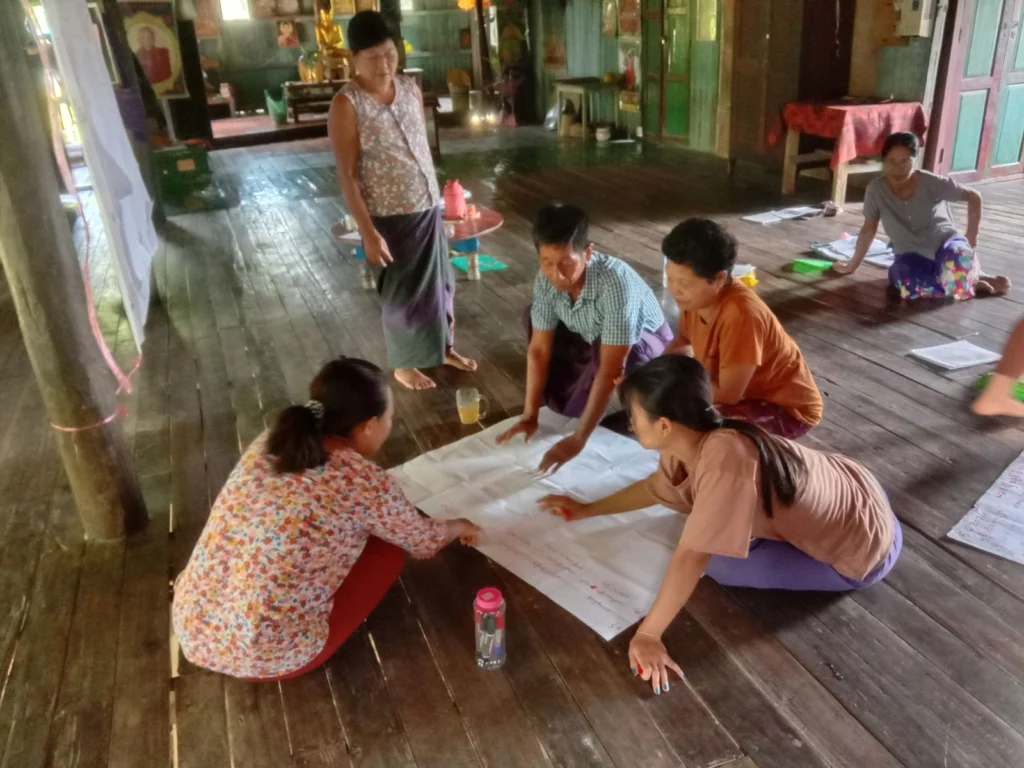
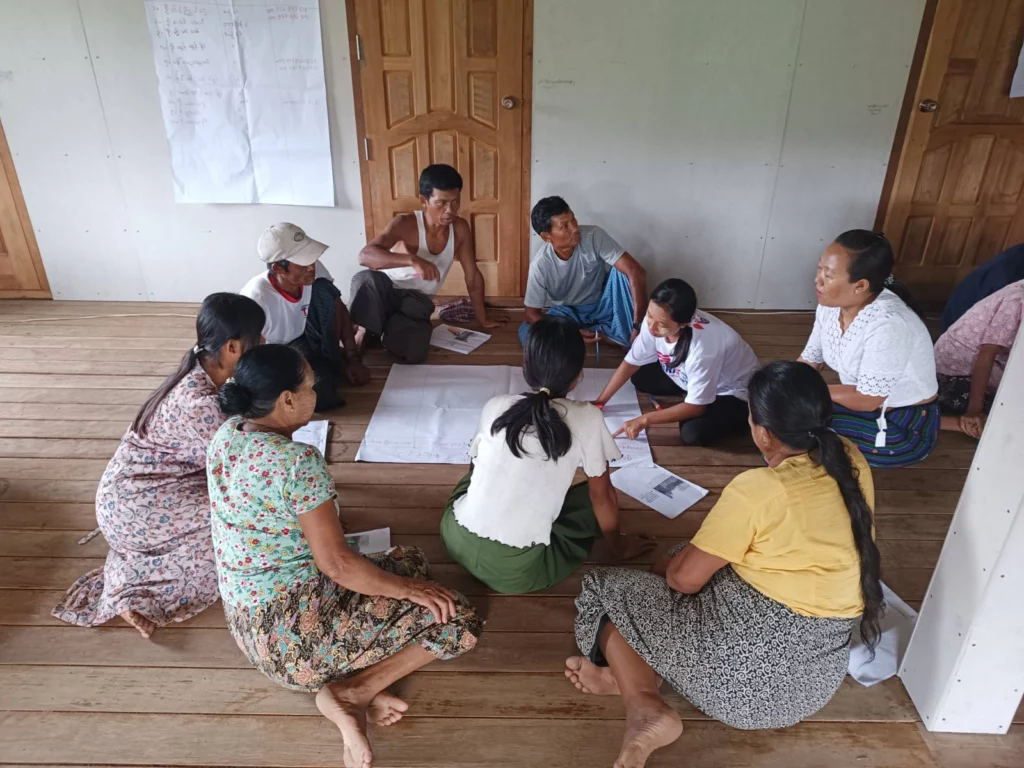
Following the TOT trainings, the community training programs were conducted to facilitate knowledge sharing with the NSNO, leading these efforts to empower the community in the four priority villages. In addition, after the co-developing of Community Action Plans (CAP), local wetland rules and regulations and CAPs discussions have been carried out by the NSNO with the village working committee (VWC) and the community in four priority villages on various dates throughout April, May, and June of 2024. These trainings aimed to enhance community members’ awareness, mainly targeting the VWC, monitoring team, and interested persons dedicated to conserving the wetland and ecosystem. This training will enhance greater community participation in conservation and restoration activities as the local community becomes more aware of the significance of wetland existence and the value of ecosystem services.
Empowering the community, the village working committee (VWC) in the four priority villages through training sessions that can enhance the capacity in conservation efforts and apply sustainable practices.
Journal article / Understanding the relationship between communities and wetland ecosystems to facilitate the development of wetland management and conservation strategies.
Tool / This tool supports in monitoring and analysis of riverbank erosion, shoreline change, and wetland dynamics using satellite-based earth observation data.
SEI brief / This brief outlines key concerns, policy gaps and recommendations on how Myanmar’s wetland conservation efforts can benefit from inclusion communities.
Media coverage / SEI Asia's Thanapon Piman speaks to Mekong Eye about the risk of cyanide contamination in key transboundary rivers.