Team Leader: Environmental Policy and Strategy; Senior Project Manager
SEI Headquarters
Podcast series / A podcast about sustainability and justice. In each episode, experts explore how power dynamics create and sustain social and environmental inequities.
Perspective / A just transition requires respecting social and environmental sustainability and forming inclusive partnerships with local communities.
Perspective / SEI researchers reflect on the Third Annual Menstruation Research Network Conference and share environmental perspectives on menstrual justice.
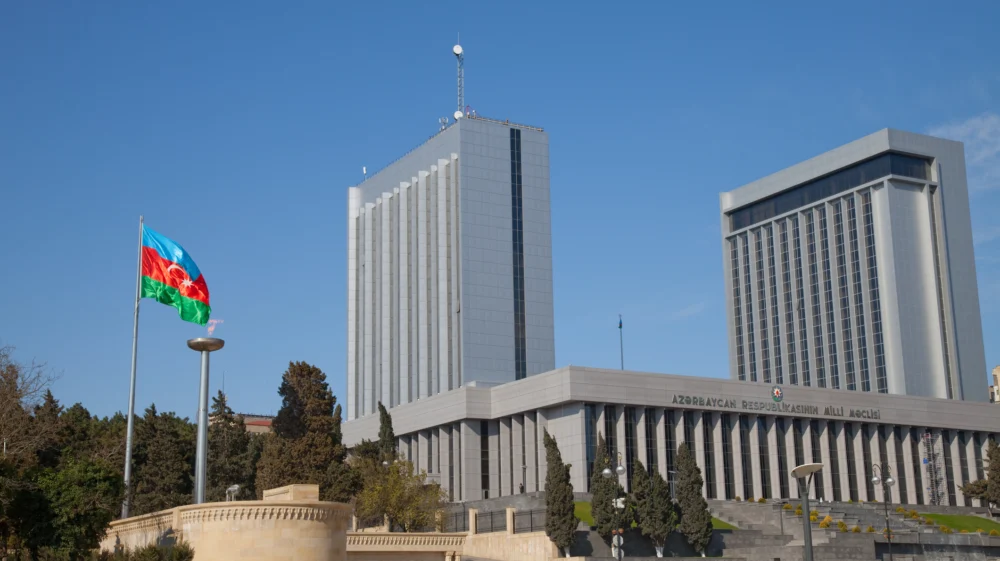
Perspective / Azerbaijan appointed 28 men and zero women to a key group tasked with organising the upcoming climate summit in the country.
Perspective / Some lessons on policy engagement from environmental defenders for climate and environmental researchers.
Media coverage / "None of the G20 nations are on track to achieve equality by 2030”, writes SEI Research Associate Del Duca.
Past event / The event explores the complex challenges entwined with gender equality and its integral role in sustainable development.
Other publication / To accelerate the SDGs, G20 policies and programmes need to address the manifestations of gender inequality.
Perspective / This blog highlights three key takeaways from the Asia Pacific Climate Week 2023.
Perspective / Some lessons on policy engagement from environmental defenders for climate and environmental researchers.
Feature / This Q&A sheds light on the links between menstrual health, hygiene and environmental sustainability.
Feature / Gain insight into the gendered impacts of energy transitions and how to address them in this Q&A with SEI Research Associate Laura Del Duca.
Feature / SEI Asia researchers share the inspiration to advance gender equality from organizations they have worked with.
Feature / Farmers in Bolivia are struggling as their water supply becomes increasingly unreliable. Could better models lead to policies that help the most vulnerable?
Perspective / The UN Water Conference should include commitments related to gender and social inclusion, and provide transformative action.
Feature / Rural communities in Colombia's Campoalegre watershed struggle to meet basic needs. SEI researchers aim to connect them to policymakers to improve their lives.
Perspective / SEI Asia researchers interviewed three regional partners on women’s experiences with climate change and addressing inequalities.
Perspective / Prioritizing stronger local community participation and gender-equal decision-making can ensure ecological and human dignity in forest conservation in Thailand.
Perspective / This perspective, originally published by Earth System Governance, lists five ways researchers can help shift power dynamics through climate change research.
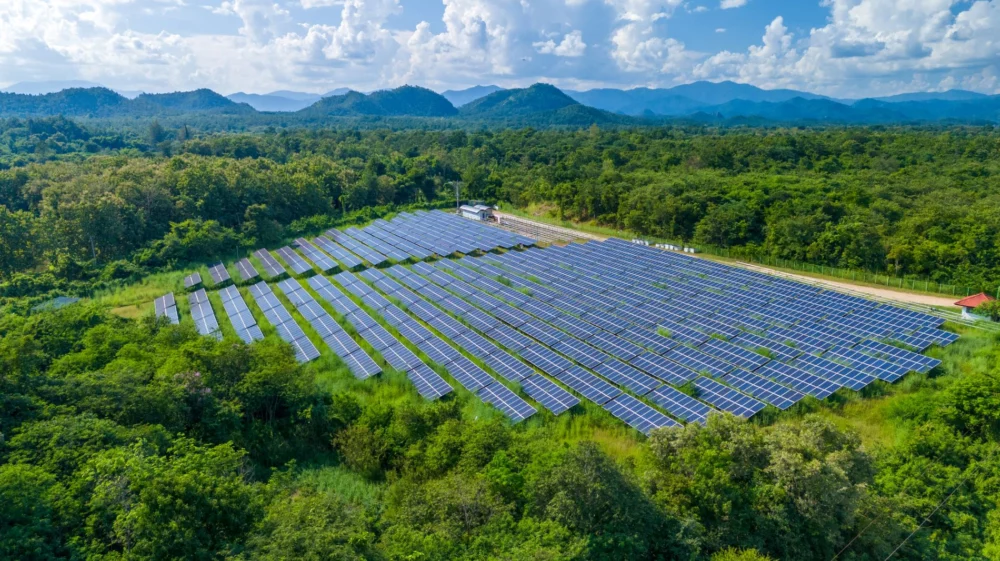
Perspective / A truly equitable shift to a green energy system must also guarantee gender justice, SEI authors argue.
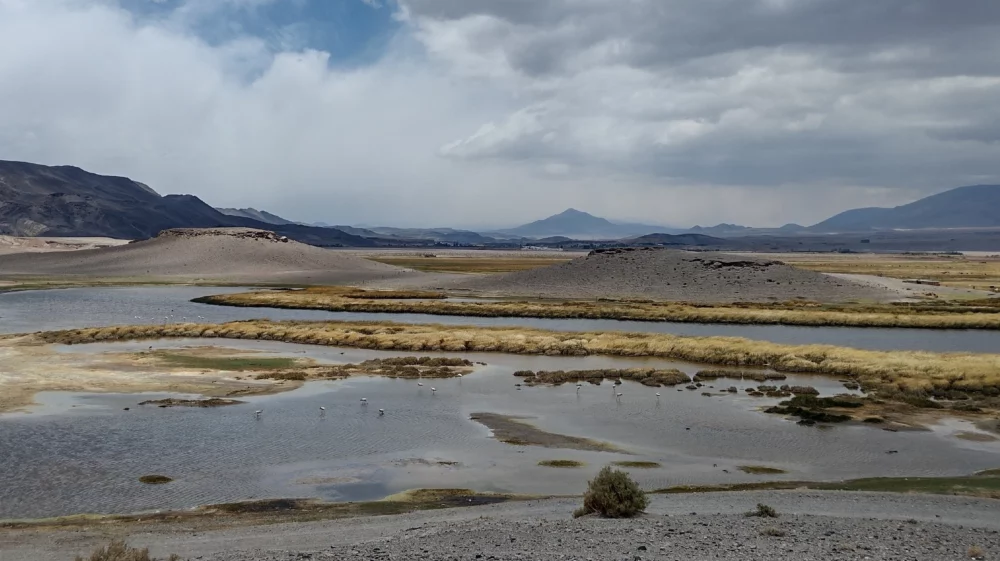
SEI brief / This policy brief discusses the importance of involving Indigenous Peoples in lithium mining decisions in the Argentine Altiplano.
Other publication / Six evidence-based, actionable recommendation pathways for emergency preparedness, response and crisis governance for gendered caregiving for climate solutions.
SEI working paper / In this working paper, the authors develop a set of guiding questions for determining the extent to which international finance reforms are decolonial.
Other publication / The working paper suggests a novel way of understanding how to catalyze gender-transformative change at scale.
Journal article / This paper highlights the role of interface bureaucrats addressing social equity in transport in East Africa.
Journal article / This research note was published under SOJOURN, an interdisciplinary journal devoted to the study of social and cultural issues in Southeast Asia.
Other publication / This protocol will contribute to addressing these gaps by collating and synthesising the terms "Rights of Nature" and “Right to a Healthy Environment”.
Other publication / Understanding mechanisms that lead to differential impacts of mining on local marginalised social groups is crucial in minimizing such impacts.
Other publication / To accelerate the SDGs, G20 policies and programmes need to address the manifestations of gender inequality.
SEI working paper / This essay provides a history of "poverty thinking" and development and positions current approaches and understandings against this historical background.
Journal article / This study analyses water access and poverty linkages in Bolivia's Tupiza River Basin.
SEI brief / This brief discusses ways that researchers can help shift imbalances in Global North-South power relationships in climate and environment research practices.
Journal article / This study demonstrates how incorporating social factors into water modelling can lead to a more equitable water supply.
SEI brief / This SEI discussion brief examines the impacts of the pandemic on the deaf, blind and deaf-blind communities in sub-Saharan Africa.
Other publication / This report explores human rights and gender equality in the context of climate change.
Other publication / An assessment of progress towards the targets of the Sendai Framework in terms of gender-responsive and disability-inclusiveness.
Other publication / This chapter features a conversation with SEI researchers who work to keep gender central in their environment-related studies and policy engagement.
Journal article / This article explores how diffusion of low-carbon technologies impacts gender and social equity in intersectional ways and where “greening” projects fall short.
SEI report / How do hydropower projects or forest conservation programmes affect ethnic communities in Asia? New research from Vietnam examines the issue.
Feature / Rural communities in Colombia's Campoalegre watershed struggle to meet basic needs. SEI researchers aim to connect them to policymakers to improve their lives.
Perspective / SEI Asia researchers interviewed three regional partners on women’s experiences with climate change and addressing inequalities.
Perspective / Prioritizing stronger local community participation and gender-equal decision-making can ensure ecological and human dignity in forest conservation in Thailand.