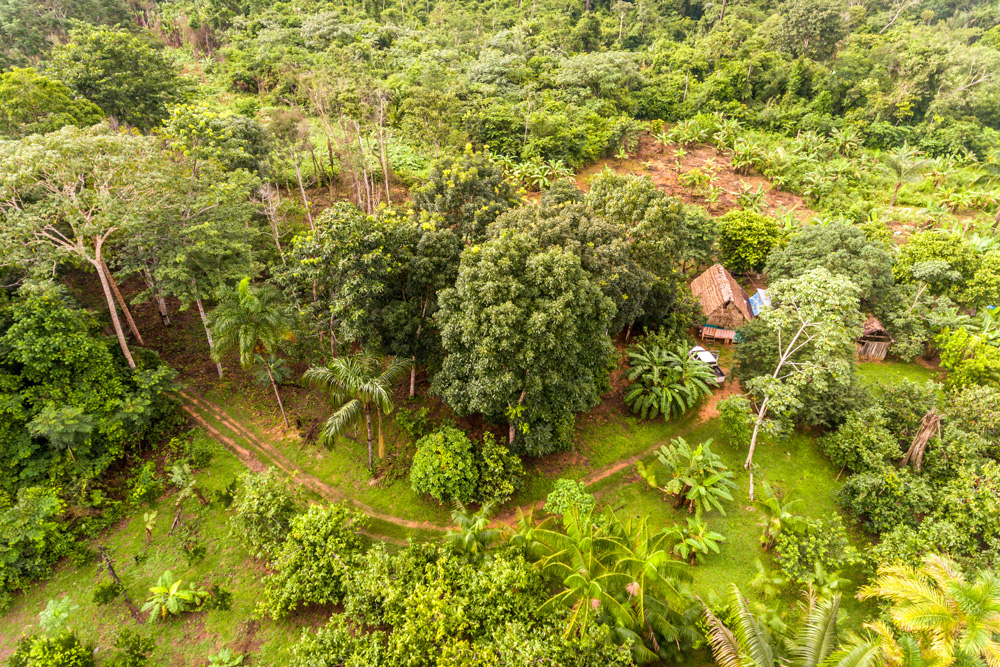
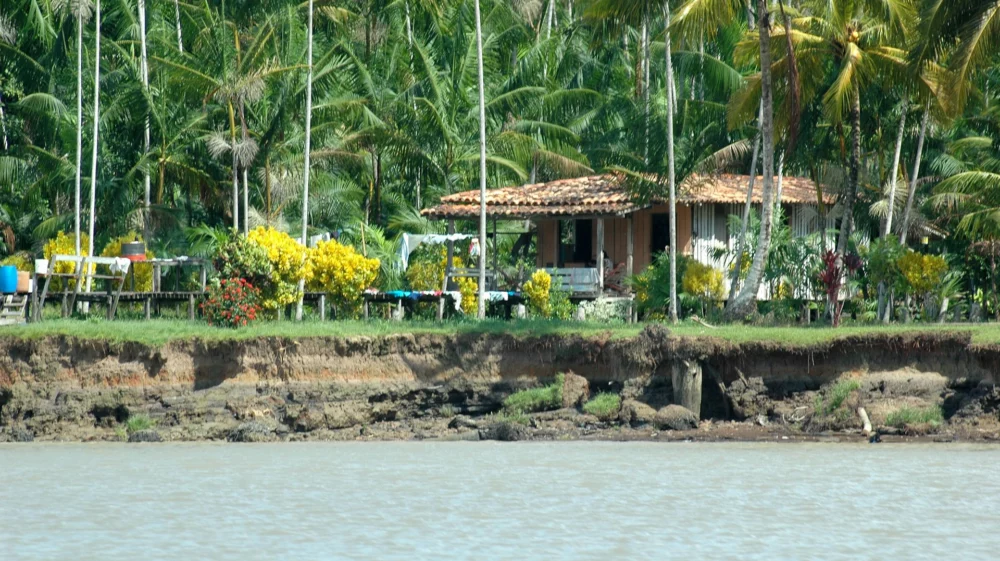
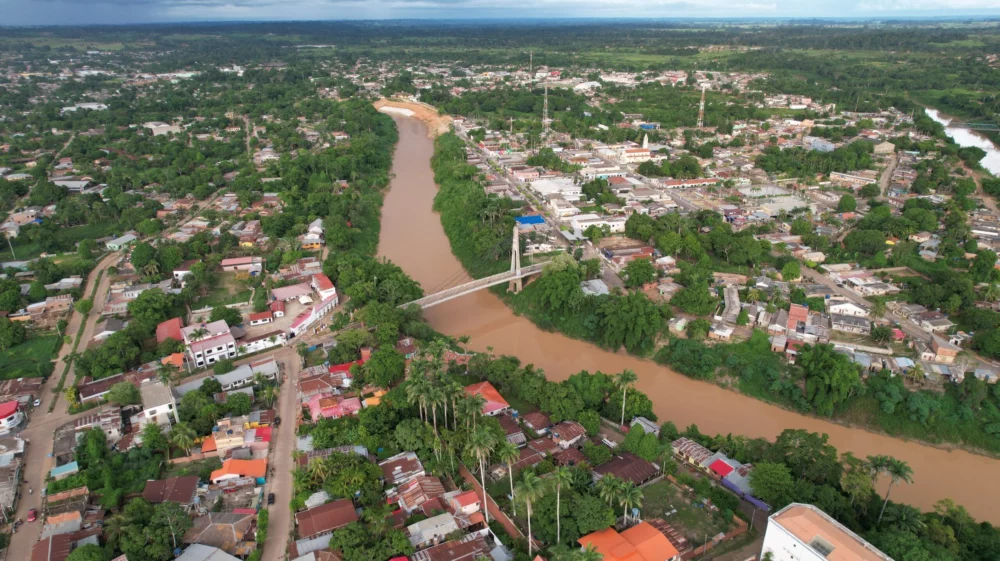
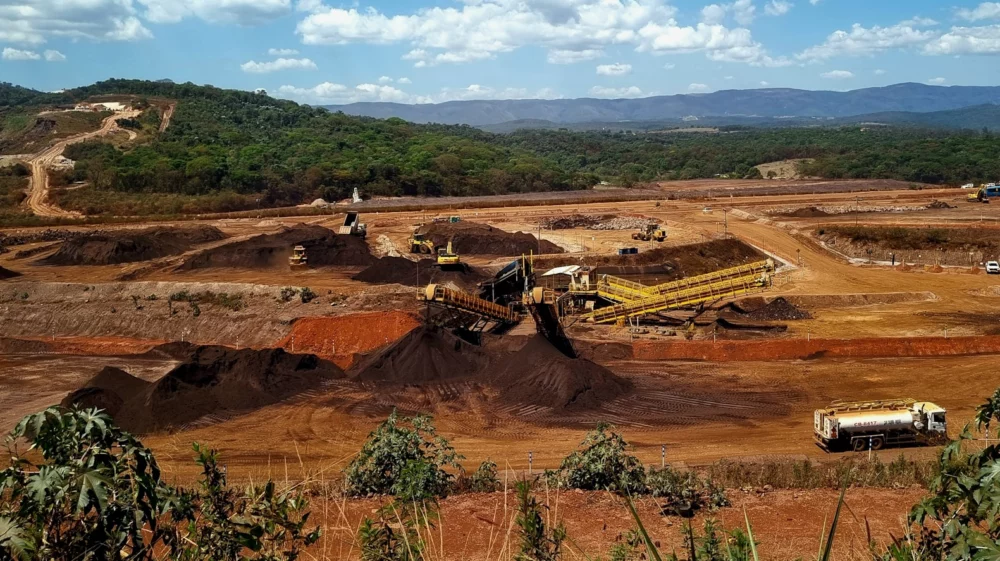
Tropical forests are at the front line of sustainable development, where critical trade-offs need to be negotiated between climate mitigation, biodiversity conservation, food production and economic development. SEI research work on tropical forests ranges from ecological research to groundbreaking data-driven transparency tools linking impacts of deforestation to global companies and consumer markets.
84 results / 2 of 10 pages
Past event / This session will showcase pioneering efforts in Colombia, Perú and Brazil to transform tourism value chains in the region.
Past event / This roundtable will explore how innovation, entrepreneurship, and strategic private sector engagement can unlock sustainable value chains in the Amazon region.
Past event / Learn how inclusive governance and sociobiodiversity value chains can drive a fair, climate- and water-resilient bioeconomy across the Amazon.
Journal article / By proposing a unified framework for classifying deforestation metrics, this article aims to provide clarity and consistency in sustainability reporting.
Project / This project will generate key insights and practical recommendations to strengthen transboundary water governance in the Acre Trinational River Basin
Project / This evaluation it's about measuring impact and shaping the future of conservation and sustainable development in one of the world’s most critical ecosystems
Journal article / This study explores how Indigenous territories reduce deforestation but face socio-economic trade-offs, while sustainable-use areas achieve a better balance.
Feature / Learn how Trase data drives actions to curb deforestation in soy supply chains.
Journal article / This article explores the prospects for successful externalisation of Europe's sustainability standards using Brazilian soy as a case.