Here you’ll find research, publications, perspectives and events related to SEI Africa. If you are looking for updates and information from the broader African region, please visit the Africa region page.
715 results / 1 of 60 pages
Event on 28 September – 29 September in Nairobi / The SEI-hosted Adaptation Research Alliance, with support from SEI Africa, will host the workshop to connect adaptation research with policy and practice.
Event on 29 September in Nairobi / SEI brings experts and partners together to explore how science directly contributes to the Sustainable Development Goals SDGs and the post-SDG agenda.
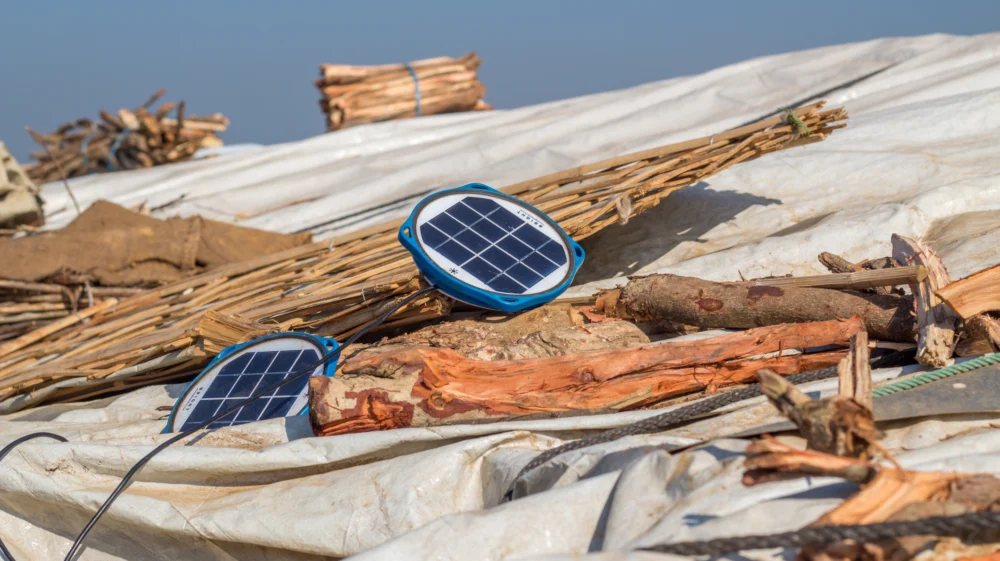
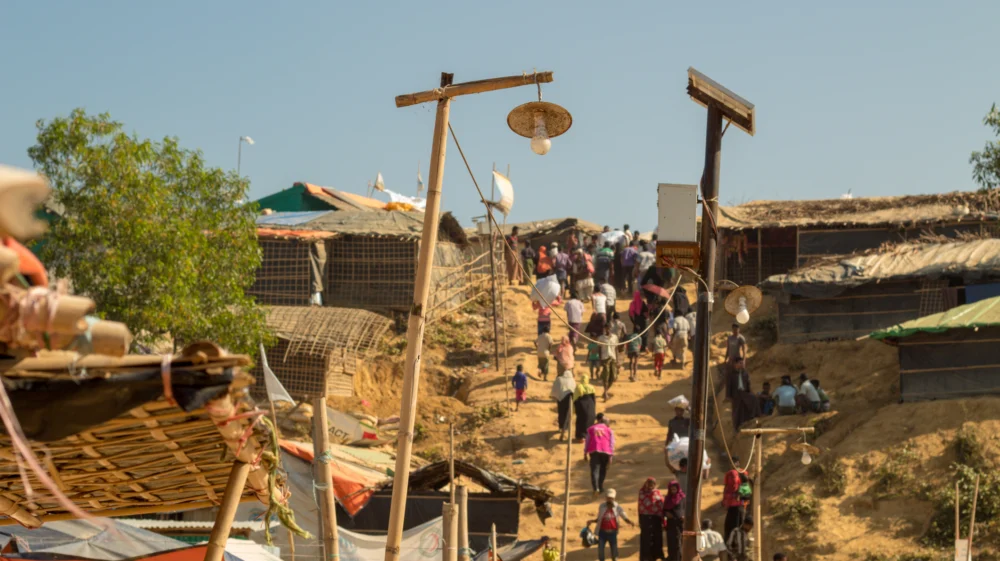
SEI brief / This SEI brief outlines recommendations to leverage financial guarantees to help expand energy provision in humanitarian settings.
SEI working paper / This SEI working paper analyses the role that financial guarantees may play in supporting renewable energy provision in underserved humanitarian contexts.
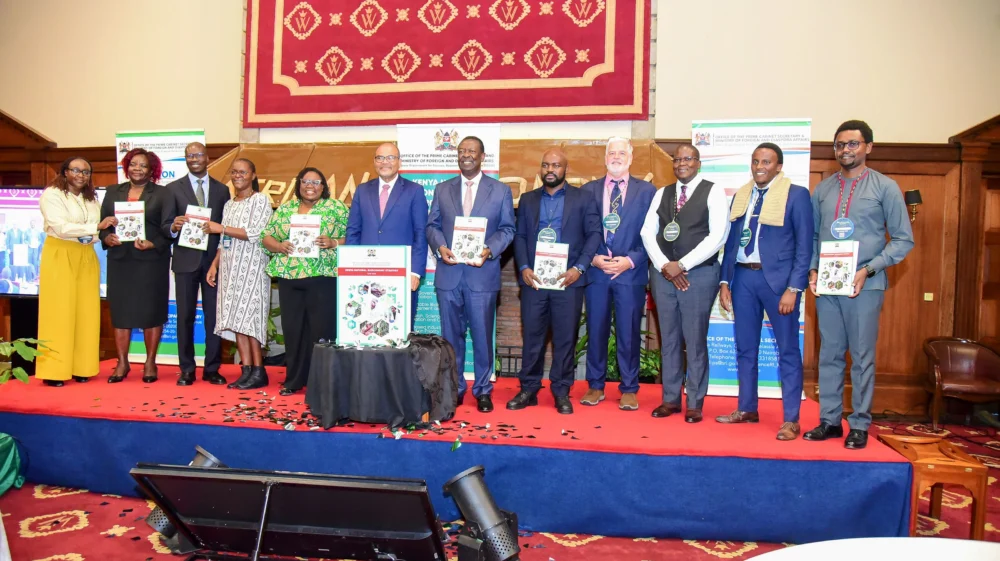
Feature / Kenya has launched its first National Bioeconomy Strategy, becoming one of a small number of African countries with a dedicated national bioeconomy strategy.
Tool / The Data Sharing Tool (DST) helps National Meteorological and Hydrological Services (NMHSs) manage, control, and share climate data with authorized users
Journal article / The study examines how policy coherence in national climate and development policymaking affects inequality and different groups in society.
Past event / Meet SEI experts at World Water Week 2026, with the theme Water for People and Progress.
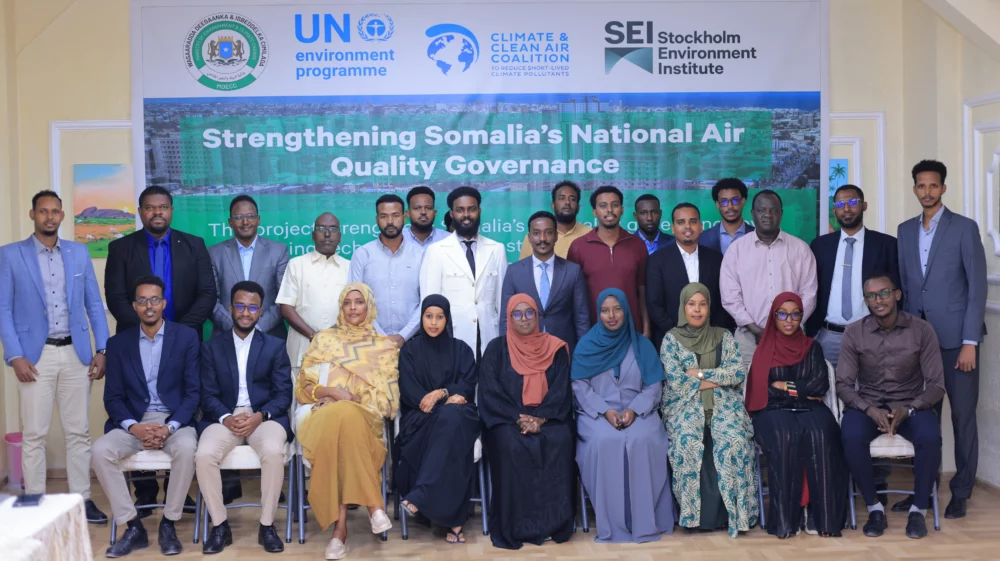
Feature / A three-day workshop in Mogadishu, supported by SEI Africa, ended with a new multisectoral working group to guide Somalia's air quality policy.
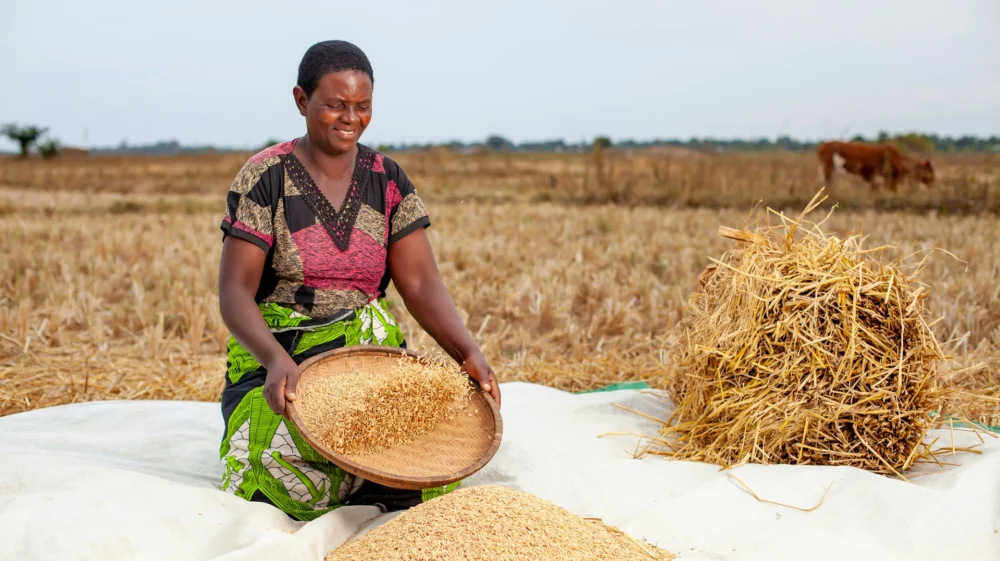
Feature / SEI collaborated with Sustainable Food Systems Ireland to develop the Malawi Food Systems Transformation Tool using the SDG Synergies platform.
Feature / SEI and partners helped to reduce risk to community-managed water systems to improve local people’s water security and economic opportunities.
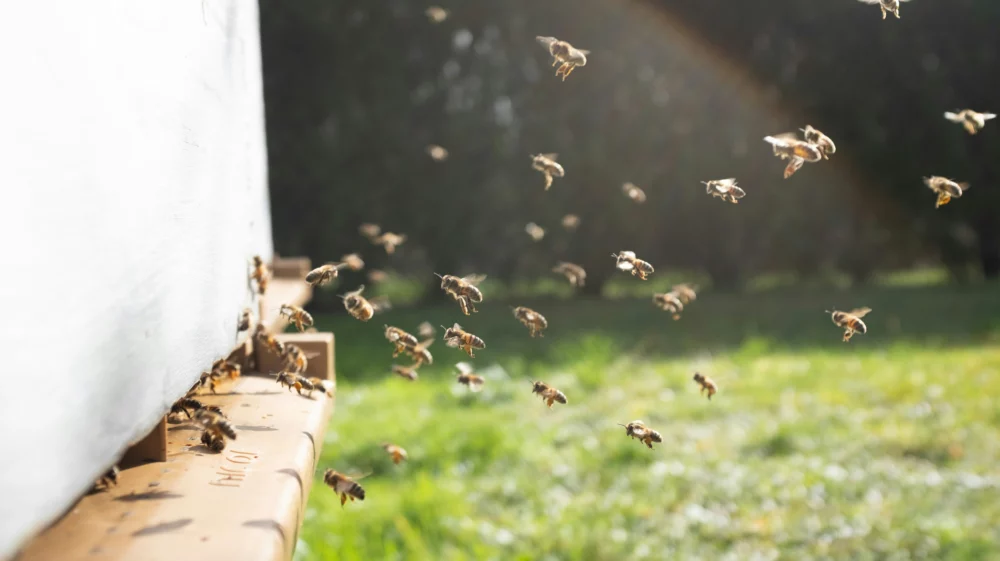
Other publication / This study finds that air pollution harms not only human health but also insect pollinators, with potential impacts on crop and food production.