Here you’ll find research, publications, perspectives and events related to SEI Headquarters.
2449 results / 129 of 205 pages
Project / CrisAct aims to provide a comprehensive science-based framework to monitor and manage hydroclimatically driven natural hazard crisis and disaster responses.
Project / This project analyzes Swedish citizens’ beliefs, attitudes and policy preferences for wastewater reuse and land application of sewage sludge.
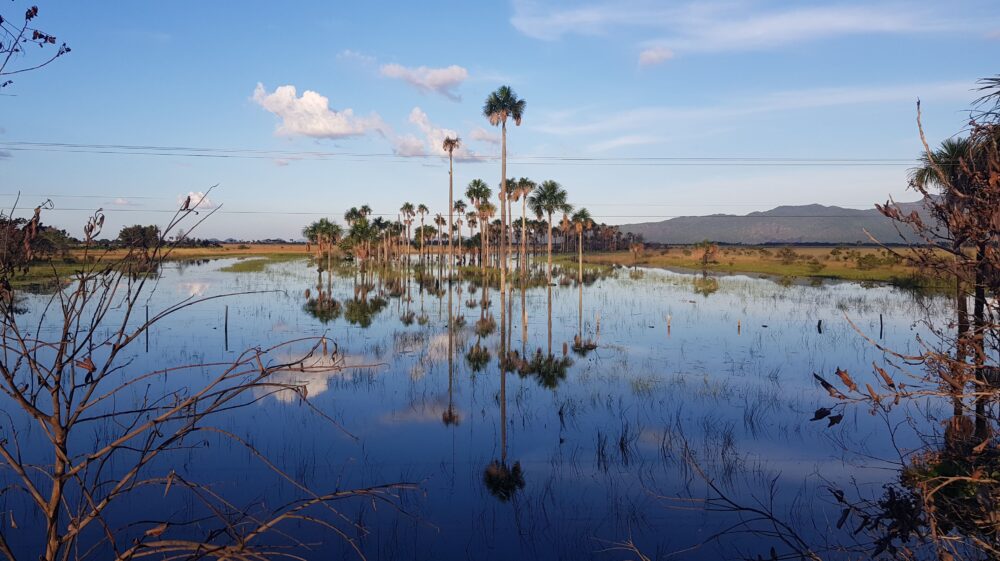
Other publication / Water-related conservation efforts, such as the Water Producer Programme, align ecosystem services with sustainable agriculture in the Cerrado.
Journal article / Most methods of evaluating progress on Sustainable Development Goals (SDGs) give only a limited view of their impacts. Researchers try a new approach.
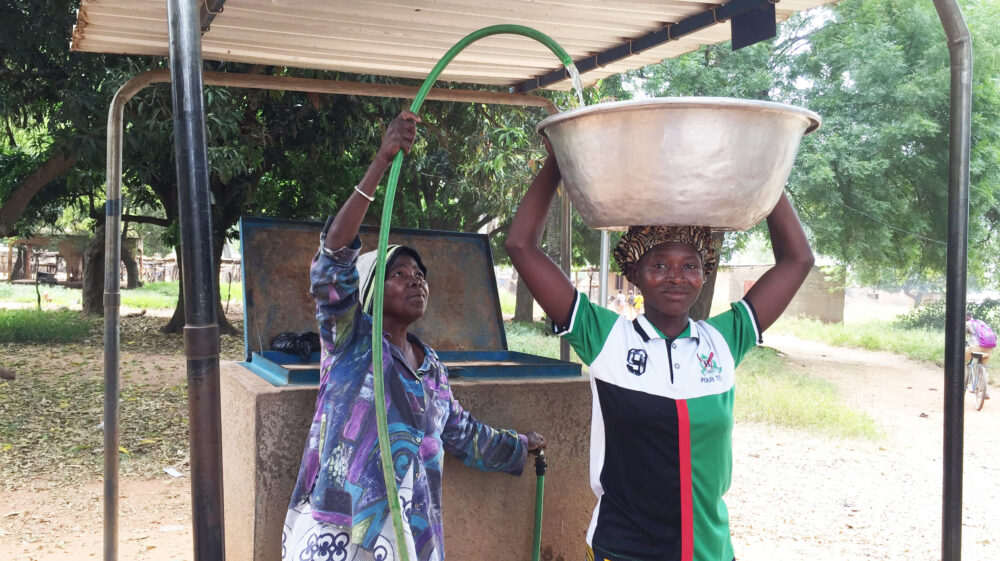
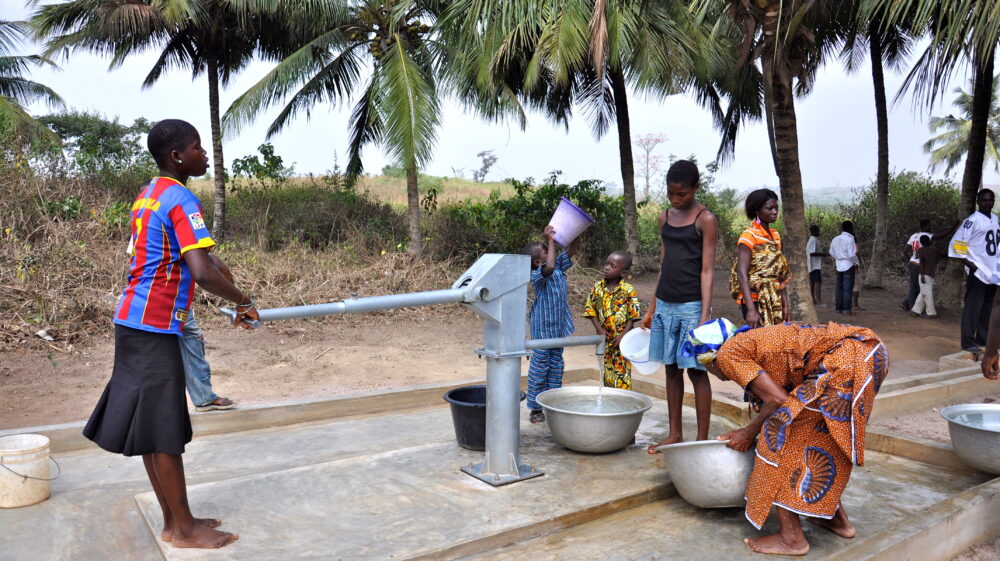
Journal article / A pilot study in Burkina Faso used the Empowerment in Water, Sanitation and Hygiene Index (EWI), a survey-based index designed to measure agency and more.
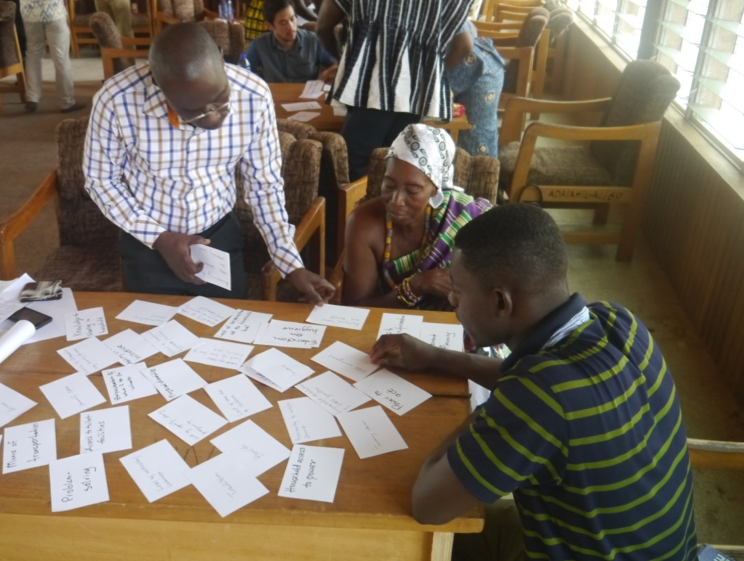
Journal article / This study explores the meanings of women's empowerment in the WASH sector from the perspective of local stakeholders in the Asutifi North District, Ghana.
Journal article / The findings show a need to consider how the development of 'climate resilient' water and sanitation services account for social drivers of vulnerability.
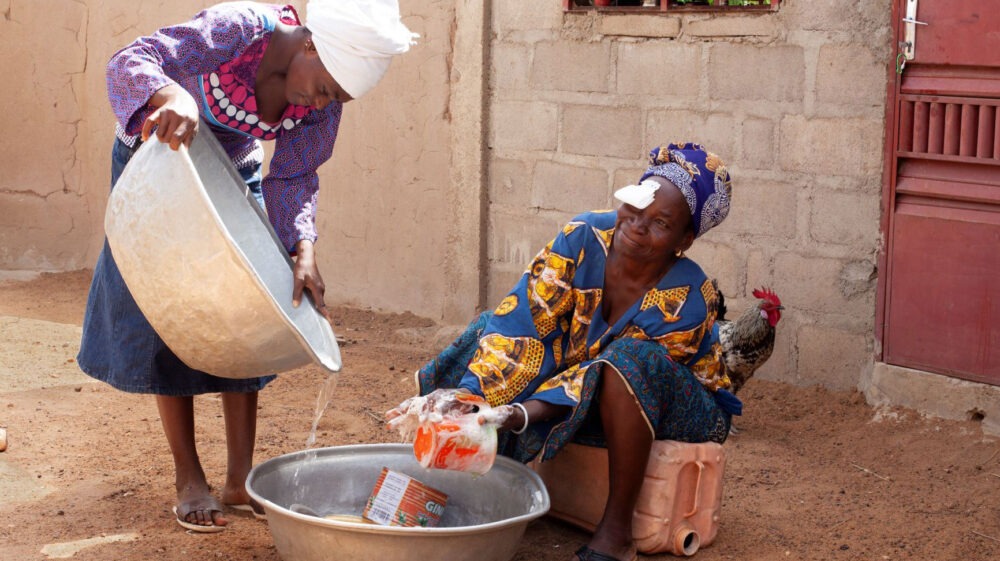
Journal article / Better contextual understanding of the underlying gender dynamics is important for promoting women's empowerment in WASH decision-making.
Journal article / A nationally representative longitudinal survey over a decade shows changes in risk acceptance of the Chinese public, based on a psychometric paradigm.
Feature / On 7 December 2021, SEI's Janet Vähämäki participated in the "Development assistance in a new era" seminar in Sweden. She shares her insights in this interview.
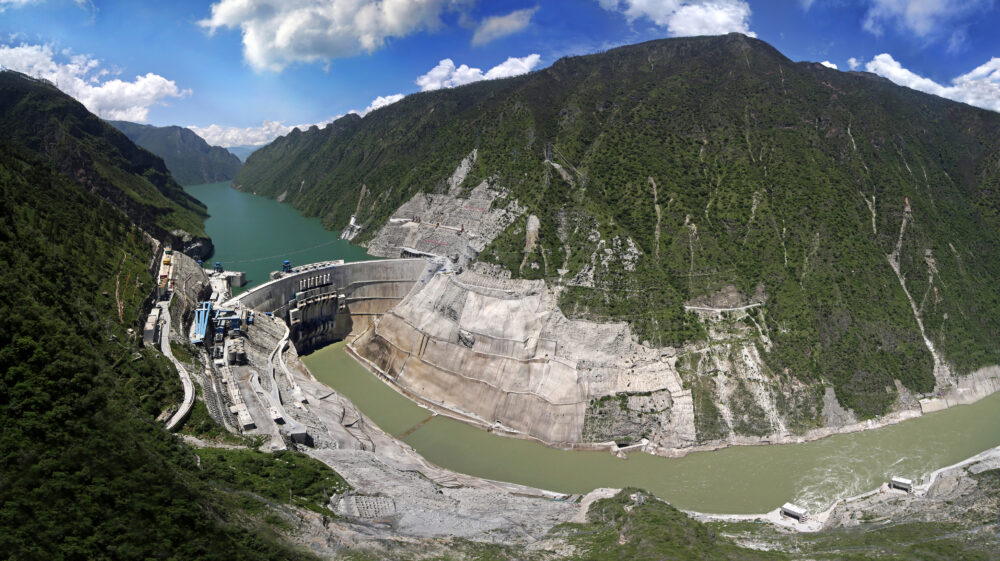
Journal article / The study develops a decision-making support model that can quantitatively analyse the tradeoffs between hydro-energy generation and river ecosystem conditions.
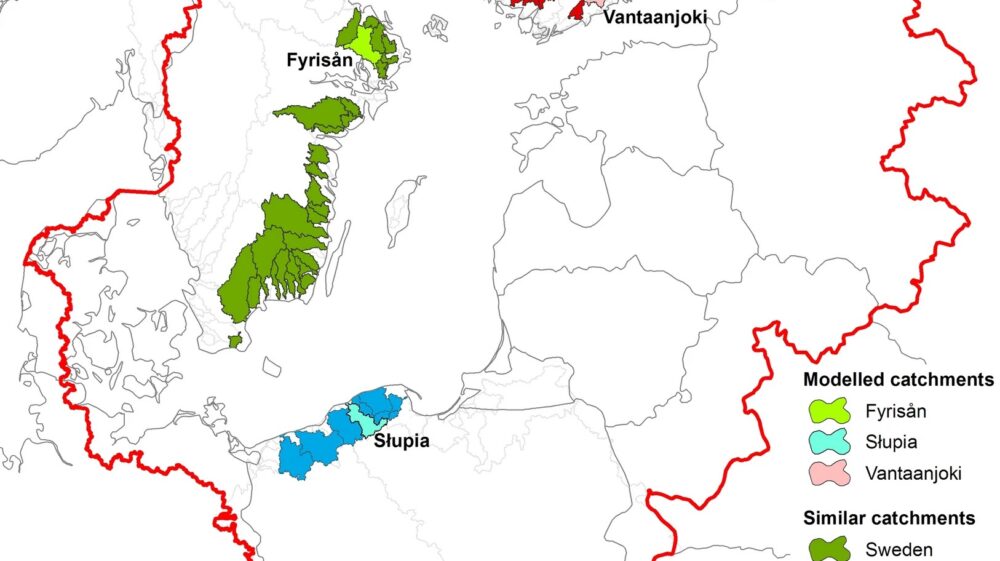
Journal article / This study applied the Soil & Water Assessment Tool (SWAT) in three catchments of the Baltic Sea to simulate the effectiveness of EU nutrient control measures.